How to Start Teaching Yoga Classes: A Step-by-Step Guide for Aspiring Instructors
 omshantiomyoga
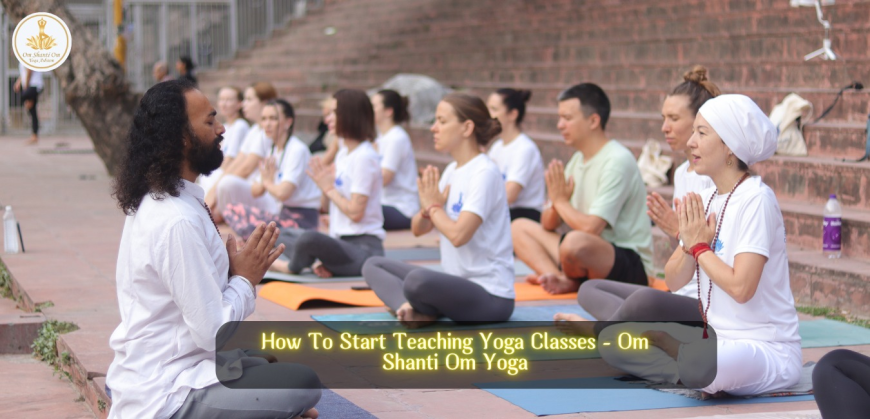
If you've fallen in love with yoga and feel a calling to share its benefits with others, you're likely asking yourself one important question: How to Start Teaching Yoga Classes? Whether your dream is to teach full-time, offer part-time classes, or start your own studio, this guide will walk you through the essential steps to get started with confidence and clarity.
1. Deepen Your Personal Practice
Before stepping into the role of a teacher, it's crucial to have a strong foundation in your personal practice. This doesn't mean you need to master every pose, but it does mean you should:
-
Practice regularly (daily if possible)
-
Explore different styles of yoga (Hatha, Vinyasa, Yin, Ashtanga, etc.)
-
Learn from a variety of teachers to understand different teaching methods
By strengthening your own connection to yoga, you’ll be better equipped to guide others.
2. Enroll in a Certified Yoga Teacher Training (YTT)
The next essential step in how to start teaching yoga classes is completing a 200-hour Yoga Teacher Training (YTT) program. This training is recognized globally and provides:
-
In-depth knowledge of asanas (poses)
-
Philosophy and history of yoga
-
Anatomy and physiology
-
Teaching methodologies
-
Practice teaching and feedback
Choose a school that is registered with Yoga Alliance, as this credential is often required by studios and employers.
3. Get Certified and Registered
After completing your YTT, you can register as a Registered Yoga Teacher (RYT) with Yoga Alliance. This isn’t mandatory in all locations, but it can boost your credibility and improve job prospects.
Checklist:
-
Complete 200-hour YTT
-
Apply for RYT status via Yoga Alliance
-
Maintain continuing education requirements
4. Start Teaching Yoga Classes — Even for Free!
The best way to grow as a teacher is to start teaching yoga classes right away. In the beginning, don’t worry about perfection or paychecks. Instead, focus on experience:
-
Offer free or donation-based classes to friends and family
-
Volunteer at local community centers or schools
-
Host online sessions via Zoom or Instagram Live
Teaching regularly will help you find your voice and build confidence.
5. Find Your Niche or Yoga Style
As you start teaching, you may notice that certain styles or student groups resonate more with you. Some common niches include:
-
Vinyasa Flow for fitness-focused students
-
Prenatal Yoga for expectant mothers
-
Chair Yoga for seniors
-
Kids Yoga for young learners
-
Restorative or Yin Yoga for stress relief
Defining your niche can help you attract the right students and stand out from other instructors.
6. Create a Teaching Resume and Portfolio
If you’re wondering how to start teaching yoga classes professionally or at a studio, you’ll need a polished resume. Include:
-
Your training credentials
-
Teaching experience (even volunteer work)
-
Personal practice background
-
Any specialties or continuing education courses
Also consider creating a simple website or Instagram page with class videos, testimonials, and a teaching schedule.
7. Apply for Jobs or Rent Studio Space
There are several routes to begin teaching yoga formally:
Apply to Local Studios
-
Send your resume and offer to sub for regular teachers
-
Be prepared to audition or demo a class
Rent a Space
-
Consider renting space at gyms, wellness centers, or coworking spaces
-
Negotiate hourly or revenue-share terms
Teach Online
-
Launch a YouTube channel or membership site
-
Offer private Zoom classes or create an online course
8. Build a Community and Promote Your Classes
Success in yoga teaching isn’t just about asanas—it’s about connection. To grow your classes:
-
Start a weekly email newsletter
-
Post valuable content on social media
-
Collaborate with wellness professionals (nutritionists, therapists, etc.)
-
Offer referral discounts or loyalty programs
Word of mouth and social proof are powerful tools for growing your following.
9. Keep Learning and Growing
Even after you’ve started, your journey doesn’t stop. The best yoga teachers are lifelong students. Continue to:
-
Attend workshops and advanced YTTs (like 300-hour training)
-
Study yoga philosophy, anatomy, and meditation
-
Seek feedback from students and mentors
Staying committed to your personal and professional growth will elevate your teaching over time.
10. Maintain Your Passion and Authenticity
Perhaps the most important advice when learning how to start teaching yoga classes is to stay connected to why you started in the first place. Don’t compare yourself to others, and avoid chasing perfection.
Teach from the heart. Be authentic. And always prioritize your students’ well-being over flashy poses or fast-paced sequences.
Final Thoughts
Learning how to start teaching yoga classes is both an exciting and deeply rewarding journey. From gaining your certification to finding your first students, every step is an opportunity for growth—not just as a teacher, but as a person.
Whether you envision teaching in a studio, online, or building your own yoga brand, remember: the world needs more mindful, compassionate instructors. Start small, stay consistent, and lead with love.