How to Prepare Your Fleet for a DOT Inspection: A Practical Checklist
A DOT inspection failure is not a simple paperwork issue. It can make your entire operation stand still.
 freyaparker
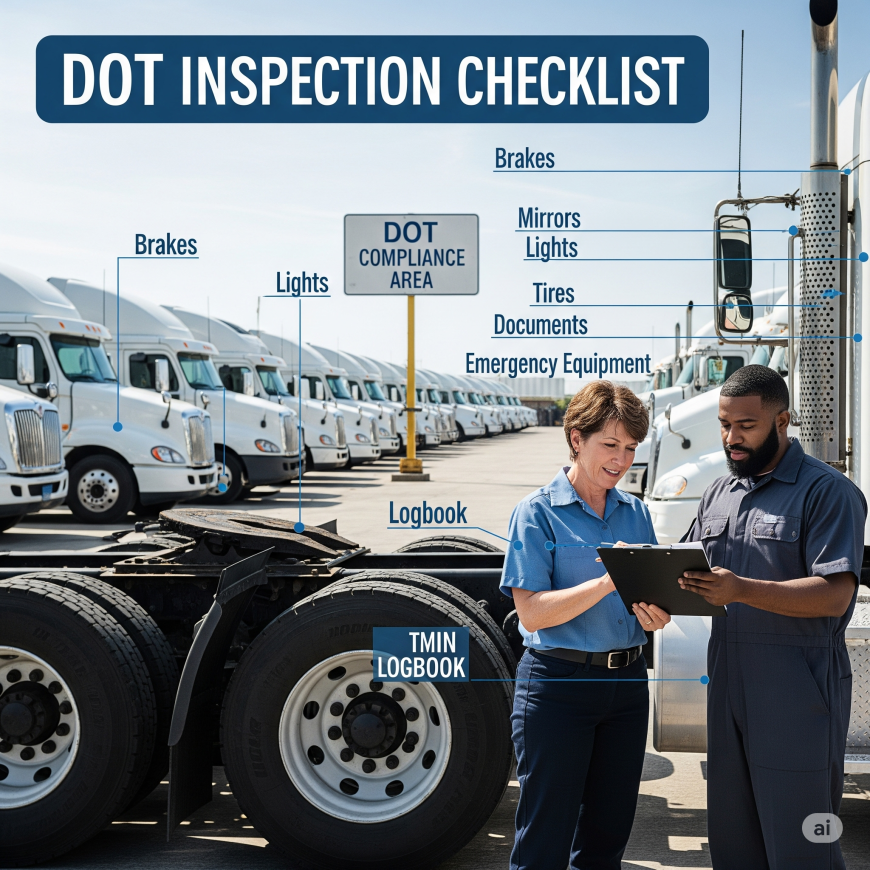
A DOT inspection failure is not a simple paperwork issue. It can make your entire operation stand still. It may cause your CSA scores to drop which may affect your ability to get contracts in future.
In recent years, the FMCSA’s 2024 safety research forum reported that out of 48761 inspections, nearly 23% of vehicles and 4.8% of drivers were placed out of order, which is shocking.
Compliance with DOT safety measures is crucial because it:
· ensures the safety of the driver and cargo
· helps you avoid heavy fines that can be imposed on drivers and the fleet both
· maintains the business’s reputation
· reduces operational costs
· fulfills the legal requirement
· and most importantly, improves CSA scores, which improves the credibility of your fleet business and can help you to sign more contracts in the future.
The level 1 DOT inspection
There are 8 levels of DOT inspection, amongst which the Level 1 DOT inspection consists of a thorough 37-step process that focuses on the driver’s documentation and key vehicle systems.
The areas of focus include:
- Driver Credentials: Medical Certificate, Driving License (CDL), and Hours of Service (HOS) logs.
- Vehicle Components: specifically brakes, tires, lights, steering mechanisms, emission systems and suspension systems.
- Safety Equipment: a readily accessible fire extinguisher, reflective triangles, and if your truck uses fuses, you need to keep at least 1 spare fuse of each type, and finally, seatbelts in good condition
DOT inspectors have a checklist, and so should you. To bypass their list, don’t neglect emission system components. A Texas-based fleet maintained by EPIKA showed in 2023 that regular DPF cleaning resulted in 42% fewer emission-related violations.
A Practical Checklist for DOT Inspection Readiness
1. Prioritize preventive maintenance
Regular maintenance is the first line of defense against DOT inspection failures. You should implement a maintenance schedule for your fleet to get them checked and repair minor faults regularly. You can use management software to track the maintenance schedules and get notified by reminders when service is due.
Checklist:
· Check brakes, tires, lights, suspension, and fluid levels regularly
· Keep detailed records of all maintenance activities.
According to FMCSA data, over 25% of OOS orders are issued due to brake failures during roadside inspections. Brakes are likely to be the first thing to get checked by DOT inspectors.
2. Keep your paperwork in order
Fleet managers and drivers can use digital documentation and inspection reporting to make documentation accessible during DOT inspections via phones or tablets.
Checklist:
· Current registration and insurance documents
· Annual inspection reports
· Driver’s license, medical reports and Electronic Logging Device (ELD) logs, used for keeping track of drivers’ working hours.
· Organize logs and permits
· Secure the documents in a labelled file or a tablet.
A 2022 case study published in Transport Topics, a professional news publication, shows that violations by fleets using digital log and document management, have reduced by 47%.
3. Conduct pre-trip inspections each time
Skipping pre-trip inspection is an open invitation to disasters. Overlooking these small signs increases the risk of accidents, roadside breakdowns, DOT inspection violations, delays, and costly repairs.
Checklist:
· Check tires, lights, mirrors and reflectors
· Verify that the horn, wipers and gauges are working properly
· Look for fluid leaks
· Ensure that the cargo is loaded and secured properly
Over 90 days, the Midwest fleet, which uses EPIKA fleet services, noticed that the emergency roadside calls were reduced by 38% after they advised their drivers to inspect before each trip.
4. Stay ahead of Compliance, Accountability (CSA) violations
CSA is a safety enforcement program by FMCSA that uses the data from roadside inspections, DOT audits, and crash reports to calculate a score for several categories between 0 to 100. If you get caught for violations regularly, you will be flagged for more inspections.
Behaviour Analysis and Safety Improvement Categories (BASIC):
· Unsafe driving
· Hours of Service (HOS) Compliance
· Driver fitness
· Drug/alcohol violations
· Vehicle maintenance
· Hazardous Materials Compliance
· Crash Indicator
5. Train your drivers for inspection protocols
Train your drivers to stay calm and respond confidently and efficiently when a DOT officer stops their truck for inspection. They can either make or break the situation.
According to FMCSA reports, drivers’ behaviour and attitude can influence the inspection outcomes.
Train on:
· How to present logs and inspection documents
· What not to say during an inspection
· Train on all 8 levels of inspection, especially Level 1, which is a full roadside inspection
6. Conduct mock inspections to stay sharp
A mock inspection is a practice DOT inspection that is conducted by fleet owners or managers with the help of third-party consultants to get their trucks and drivers ready for a real DOT inspection.
Some publications and digital media outlets say that mock inspections have dropped the repetition of violations by 50% according to a study conducted in 2022.
A logistics firm from Georgia partnered with EPIKA to conduct bi-monthly mock inspections, and they observed:
· 22% reduction in downtime from OOS violations
· $16000 saved in the first 6 months from CSA penalties.
Wrapping it up
Being ready for DOT inspections is a profit multiplier. Abide by this checklist and bring a trusted partner like the EPIKA fleet to conduct mock inspections, preventive maintenance, or emergency repair audits. With this checklist, you can significantly
· Reduce downtime
· Control your expenditure on repairs
· Win on drivers’ satisfaction and sustainability
· Increase operational flexibility
· Improve compliance and safety
· Improve logging and insights
· Customize service plans according to your fleet’s specs