How to Prepare Furniture and Heavy Items Before Removal Day
Moving heavy furniture and oversized belongings requires more planning than simply carrying items outside. Proper preparation can prevent damaged walls, scratched floors, blocked walkways, and unnecessary delays during the removal process.
 williamthomes5566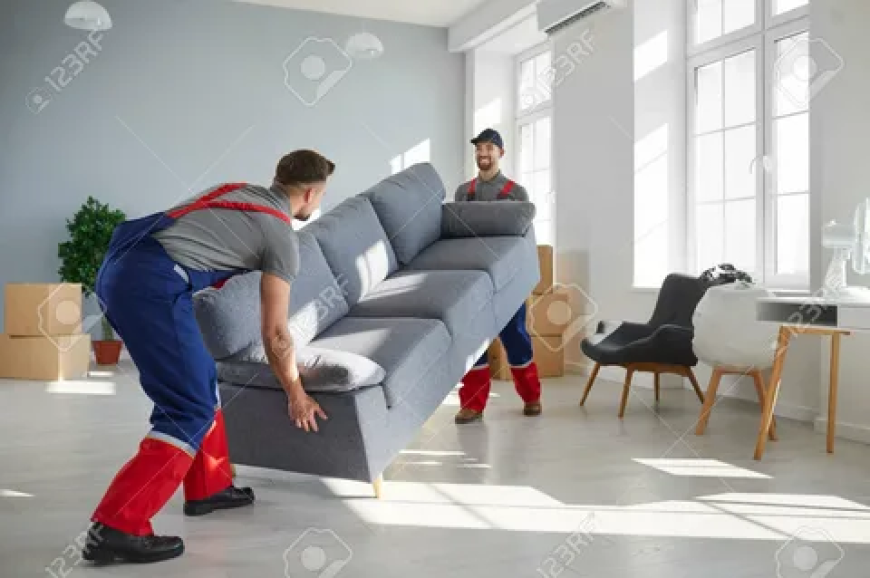
Homeowners and businesses searching for Junk Removal in Joplin, MO often benefit from organizing furniture, clearing access paths, and separating items before the scheduled pickup. A few hours of preparation can make removal day more efficient and reduce safety concerns for everyone involved.
Step 1: Create a Clear Plan Before Moving Anything
A removal plan starts with knowing exactly which items need to leave the property. Large furniture pieces, appliances, old equipment, and bulky materials should be identified before removal day arrives.
A room-by-room review helps determine what needs extra preparation. A heavy wooden cabinet may require doors or drawers to be secured, while a large sofa may need a pathway measured before it can be moved. Taking measurements of hallways, door frames, staircases, and gates can prevent problems when transporting oversized items.
A simple preparation checklist can include:
-
Items scheduled for removal
-
Access points that need clearing
-
Furniture parts requiring disassembly
-
Fragile areas needing protection
This planning stage helps avoid rushed decisions once the removal process begins.
Step 2: Remove Personal Belongings and Loose Materials
Furniture often contains hidden items that should be removed before lifting begins. Drawers, shelves, cabinets, and storage compartments should be checked carefully.
Books, clothing, paperwork, decorations, and small household items can add unnecessary weight to furniture. Removing these materials makes larger pieces easier to handle and lowers the chance of objects falling during transportation.
Electronic items, important documents, and valuables should be separated from unwanted belongings. A final inspection of each item before removal prevents accidental disposal of something that still has personal or financial value.
Step 3: Prepare Furniture for Safe Handling
Large furniture pieces usually require specific preparation before they can be moved. Some items are safer to transport after partial disassembly.
Tables may need legs removed. Bed frames can often be taken apart into smaller sections. Shelving units may need loose panels secured to prevent movement.
Protective steps may include:
-
Wrapping sharp corners with blankets or padding
-
Securing doors and drawers with tape or straps
-
Removing detachable parts and labeling hardware
-
Covering delicate surfaces before transport
The goal is to make each item easier to carry without creating additional damage during handling.
Step 4: Clear the Route From the Item to the Exit
The path between the furniture and the exit point should be open before removal begins. Small obstacles can become major problems when carrying large items through a home.
Rugs, floor decorations, toys, cords, and small furniture pieces should be moved away from the route. Outdoor paths should also be checked for branches, uneven surfaces, wet areas, or debris that could interfere with movement.
Professional crews often need enough space to turn and reposition large objects. Narrow areas require extra attention because tight corners and stairways increase the chance of property damage.
Step 5: Consider Weight, Size, and Handling Requirements
Heavy items require more than physical strength. Their shape, weight distribution, and construction affect how they should be moved.
A solid wood dresser may be difficult because of its density, while a refrigerator may create challenges because of its height and limited grip points. Professional Appliance Removal in Joplin, MO handles large household equipment carefully, especially when items require extra preparation before they can be transported. Some items may need special equipment, extra workers, or a different removal approach.
Before removal day, property owners can identify items that may require additional care. R&D Junk Removal helps customers manage bulky items by using proper handling methods for different types of unwanted materials and furniture.
Protect Your Home During Appliance Removal
Large appliances can be difficult to move without proper preparation. During Appliance Removal, floors, walls, and doorways should be protected to help prevent scratches, dents, and other damage while heavy items are being moved out of the home.
Floor coverings can help protect hardwood, tile, or carpeted areas, while padding on door frames reduces the risk of damage when maneuvering oversized appliances. Keeping children and pets away from the work area also improves safety throughout the removal process.
Proper planning and professional Appliance Removal service help ensure unwanted appliances are removed efficiently while protecting the home's interior and minimizing unnecessary interruptions.
Furniture Preparation Support for a Smoother Removal Process
Large-scale cleanouts often involve multiple furniture pieces, heavy appliances, or accumulated household items. A Furniture Removal Service in Joplin, MO can help manage bulky items by using proper lifting methods, equipment, and transportation solutions for oversized furniture. Proper organization before the scheduled service can make the process easier from start to finish.
Questions About Preparing Heavy Items
Should furniture be emptied before removal day?
Yes. Removing items from drawers, cabinets, and storage areas reduces weight and prevents loose objects from falling during handling. It also helps identify personal belongings that should not be removed.
Does large furniture always need to be taken apart?
No. Some furniture pieces can be moved safely without disassembly. However, oversized items may become easier to transport after removing legs, doors, shelves, or other detachable sections.
How early should furniture preparation begin?
Preparation can begin several days before removal day, especially for large cleanouts. Starting early gives enough time to sort belongings, clear pathways, and handle complicated items.
Can heavy furniture damage flooring during removal?
Yes. Dragging or dropping heavy items can scratch floors, damage carpet fibers, or leave marks. Protective coverings and proper lifting techniques help reduce these risks.
What areas should be cleared before furniture removal?
Walkways, hallways, doorways, staircases, and outdoor access routes should be free from obstacles. Clear paths allow large items to move safely through the property.
Are appliances prepared the same way as furniture?
No. Appliances often require additional steps, such as disconnecting power sources, removing contents, and checking access measurements. Certain appliances may need special handling due to their weight and structure.
A More Organized Removal Day Begins With Preparation
Furniture removal becomes easier when the property is ready before the scheduled service arrives. Careful sorting, secure preparation, and clear access routes help prevent delays and protect the surrounding space. For anyone planning a major cleanup, early preparation creates a safer process and allows heavy items to be removed with fewer complications.