How To Improve Food Presentation In Restaurants?
Custom Parchment Paper
 Vormand09
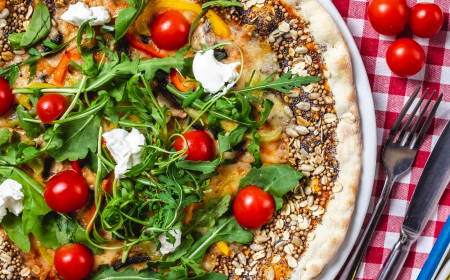
First visual impression is the first thing a guest notices when food is placed in front of them. Before taste or smell, the eyes judge the food. If the food looks neat and well arranged, people feel more excited to eat. A simple dish can feel special when it is shown in a clean and careful way. Many restaurants in Canada understand that visual appeal can change the whole dining mood in seconds. Even small changes in arrangement can make a big difference in how customers react. In daily restaurant work, staff often focus only on cooking, but presentation is just as important. A good first impression can make guests trust the quality of the food more
Why do clean serving surfaces matter in presentation?
A clean serving surface plays a major role in how food's appearance is judged because any marks, stains, or leftover traces pull attention away from the food and reduce focus on the arrangement. A clean background allows food color, shape, and structure to become the main visual point for guests' eyes.
Kitchen teams develop the habit of checking the serving area before placing food, since a clean base supports smooth service flow and reduces the chance of visual distraction during busy hours. Regular practice of surface check builds control in the service process and helps staff maintain steady visual quality across multiple orders. Careful attention to surface condition supports stronger guest impressions without changing the food preparation process.
How can color balance improve dish appearance?
Color balance plays a direct role in how a food appears because a combination of different tones placed in the correct order creates a sense of structure and variety on the plate. Green, brown, red, and light tones placed in a planned manner help food look more complete without need for extra items.
Chefs often adjust placement of ingredients before the final serving step so color distribution stays even across the surface. Balanced color arrangement guides guest attention across the entire plate instead of one single area. Careful color planning improves visual response from guests and helps simple food appear more organized during service.
What role does portion placement play in visual appeal?
Portion placement refers to the position of each food element on the serving surface, and correct placement helps guide guest eye movement across the plate in a smooth way. When food remains crowded in one area, visual confusion rises and food structure becomes unclear.
Careful spacing between items allows each part of the dish to remain visible and easy to notice. Kitchen staff members practice placement methods during daily service so speed and accuracy both remain steady during rush hours. Proper placement habit helps maintain consistent presentation across all orders without changing recipe or food content.
How does texture contrast affect food presentation?
Texture contrast refers to the difference between soft, crisp, and smooth food elements placed in the same dish, and visual contrast helps guests notice variety without tasting first. Combination of different textures creates a sense of depth on the plate and improves visual interest.
Soft base combined with crisp topping or smooth sauce placed beside a firm item creates a balanced look that feels complete. Guests respond positively when visible variation appears on plates because food feels more prepared and thoughtful. Texture planning becomes part of the plating routine in many kitchens where presentation quality matters during service.
Why is consistency important in daily restaurant service?
Consistency in presentation means each dish served maintains the same structure and visual standard every time a guest receives an order, and a stable appearance builds trust between the restaurant and the customer. A change in look between visits can reduce confidence in service quality.
Staff members follow the same plating steps during every shift so output remains predictable and familiar. Consistent service also helps the kitchen team reduce confusion during busy hours and improves workflow speed. Reliable presentation style supports long term customer satisfaction because guest expectations remain stable across repeated visits.
How can lighting change the look of prepared food?
Lighting in dining space directly affects how food colors and shapes appear to guest eyes because light strength and direction control visibility of detail on plate. Soft and natural light supports clearer food view while strong uneven light can reduce visual clarity.
Position of table and angle of plate also influence how light falls on the food surface and changes perception of freshness. Careful arrangement of the dining area helps improve overall presentation without changing food quality. Proper lighting setup supports stronger visual impression during service period.
What small details make dishes look more refined?
Small finishing details placed on the food surface can change the overall appearance because minor adjustments create a sense of care and attention during the preparation process. Straight placement of sauce line, small topping position, and clean edges all affect the final look.
These finishing steps require very little time but influence guest perception in a strong way. Kitchen staff members often repeat the same finishing pattern for every dish so presentation remains stable. Attention toward small detail helps improve visual outcome even for simple food served during regular service.
How can simple tools support better daily presentation?
Simple kitchen tools support better control during the plating process and help staff place food with more accuracy and speed during service hours. Small spoons, brushes, and placement tools allow controlled movement of sauces and toppings on plate surface.
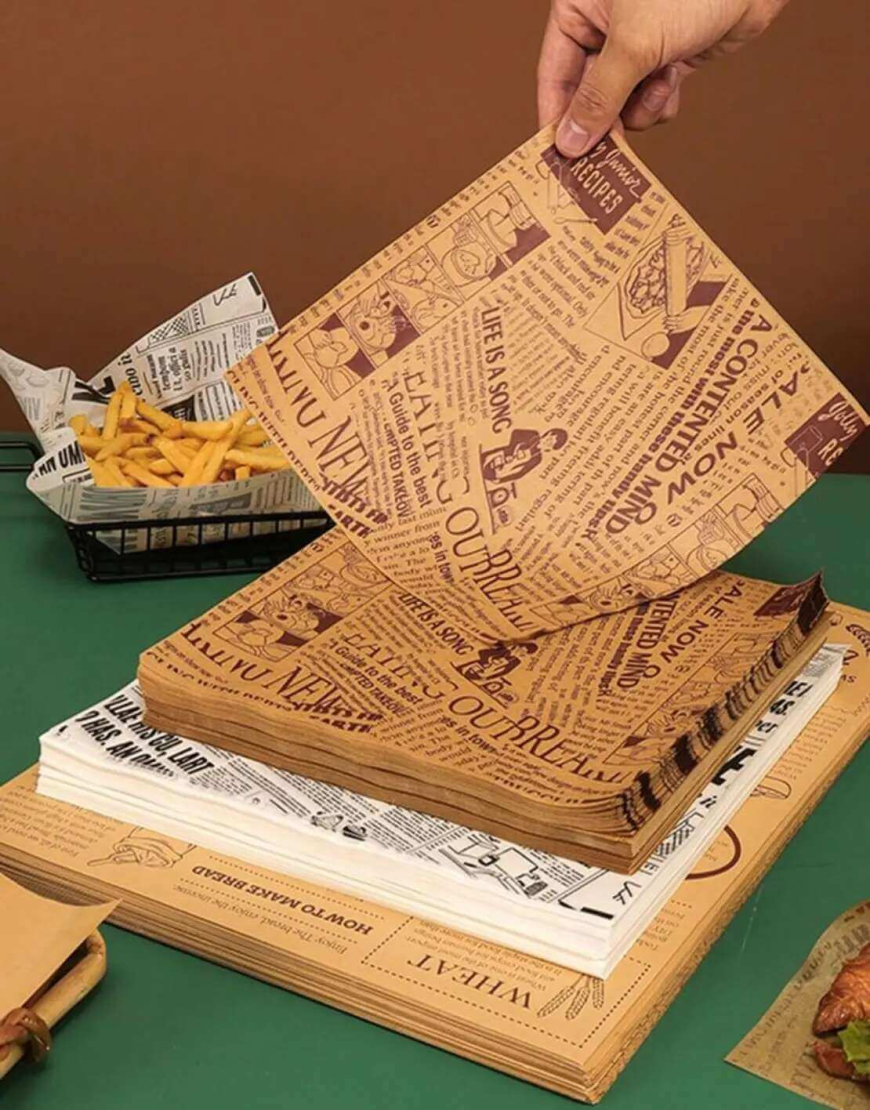
Some kitchens also use surface support materials to maintain order during the serving process. For example, many bakeries use resources like custom parchment paper for bakeries canada to keep items neat and presentable during service. Such tools support better organization in daily kitchen activity and reduce visual inconsistency across orders.
How do surface materials under food change visual quality?
Surface under food affects overall visual result because clean and stable base allows dish structure to stand out clearly without distraction from background. Proper base selection supports better focus on food arrangement.
Food service teams often use light paper-based surfaces for support during the serving process so appearance remains clean and controlled. Careful use of such materials helps maintain stable presentation during movement from kitchen to table and improves guest viewing experience without altering recipe or cooking method.
How can printed surface styles support better visual appeal?
Printed surface styles add light visual structure under food without taking attention away from the main dish, and soft design patterns can support organized appearance during service presentation.
One example is the use of custom printed paper, which many food businesses use to maintain a clean and structured presentation style. Such surface choices also support identity consistency across different food and service settings, while keeping attention centered on dish arrangement.
How can long-term habits improve presentation in restaurants?
Long-term habits in kitchen service create stable improvement in presentation because repeated actions become a natural part of the workflow and reduce variation in daily output. Regular checking, careful placement, and steady plating steps build stronger control over visual results.
Many food service teams also work with suppliers like Wax Papers Hub to maintain consistent material support across daily operations. When kitchen habits remain stable, guest experience improves slowly but steadily across time without sudden changes in service style.