How to Handle Septic Repairs in Texas
If you live in Texas, chances are you have a septic system on your property. Many rural homes and even some in towns use septic tanks. They’re great because you don’t rely on city sewage lines. But when your septic system has problems, it can be stressful. Here’s how you can handle septic repairs in Texas without hassle.
 jisan
jisan
Know How Your Septic System Works
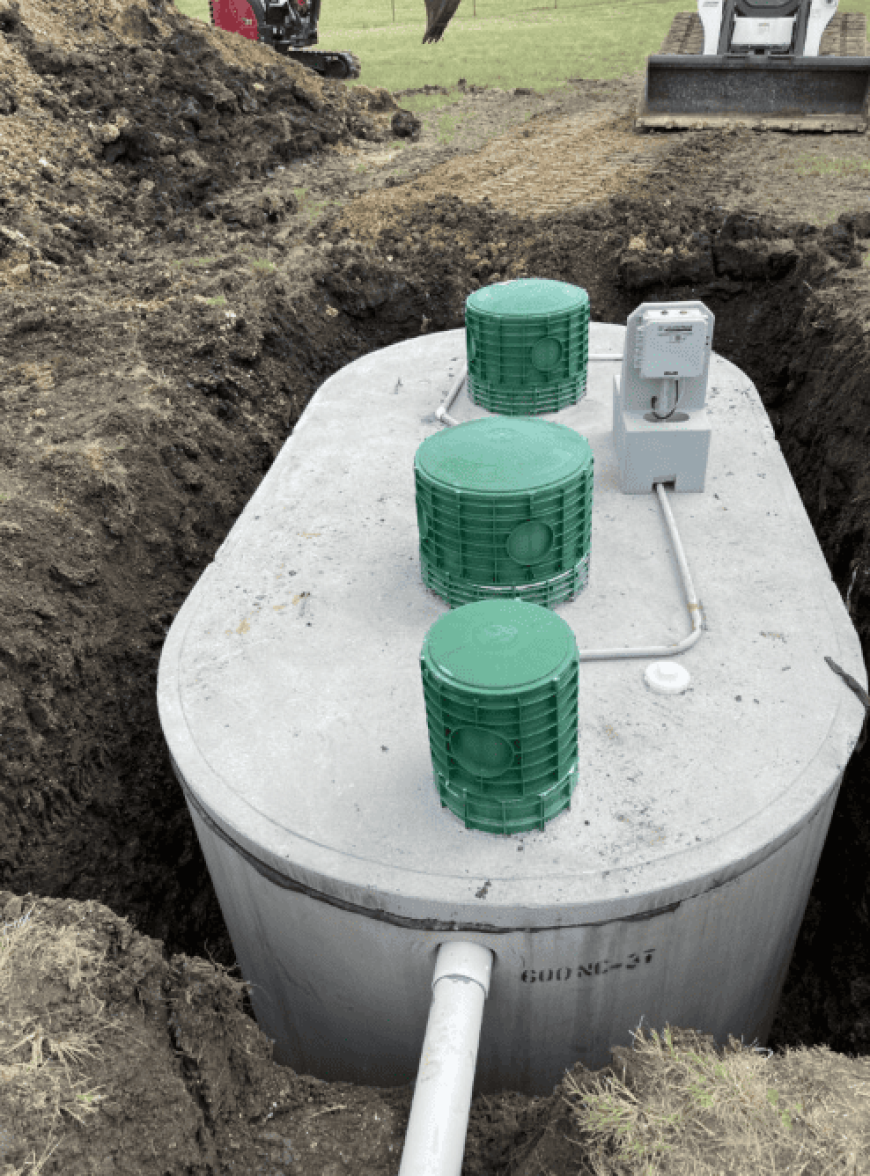
Before you fix anything, it’s important to understand how your system works. A septic tank is buried underground. Wastewater flows into it from your toilets, sinks, and showers. Solids settle at the bottom, and liquids flow out into a drain field. Knowing this helps you understand why septic repairs in Texas are needed when something goes wrong.
If solids build up too much, or if the drain field clogs, your system stops working properly. That’s when you need repairs.
Signs You Need Septic Repairs
Sometimes, homeowners don’t notice problems until it’s too late. Watch out for these signs:
-
Bad smells around your yard
-
Slow drains in your home
-
Gurgling sounds in plumbing
-
Water pooling near your tank or drain field
-
Sewage backing up into your toilets or tubs
If you notice any of these, call a septic professional right away.
Don’t Ignore Septic Problems
Many people ignore early signs because repairs cost money. But ignoring them can cost you even more later. For example, if your tank cracks, you might need to replace the whole system. That can cost thousands of dollars.
Fixing a small problem early keeps your septic system running for years. It also protects your yard from contamination.
Common Septic Repairs in Texas
Here are the most common repairs homeowners face:
Pumping Out the Tank
If your tank is too full, it needs pumping. This isn’t really a “repair” but part of regular maintenance. Texas homes usually need pumping every 3-5 years. If not pumped, solids can clog your pipes or drain field.
Fixing a Broken Pipe
Sometimes, tree roots break the pipes leading to or from your tank. Heavy vehicles parked over the area can also damage pipes. Professionals dig and replace the damaged section to restore flow.
Replacing a Damaged Baffle
Baffles keep solids from entering your drain field. If a baffle cracks or falls off, solids will clog your drain field quickly. Replacing a baffle is a simple fix that prevents bigger problems.
Drain Field Repair
If wastewater is pooling above ground, your drain field might be failing. This repair is more complex. Sometimes, only a section needs fixing. Other times, the whole field must be rebuilt.
Tank Replacement
If your tank cracks or collapses, it needs replacing. This is the most expensive repair. Keeping up with maintenance helps avoid this.
Choosing the Right Septic Repair Company in Texas
Not all septic companies are the same. Before hiring someone, check these points:
-
Are they licensed and insured in Texas?
-
Do they have good reviews online?
-
How long have they been in business?
-
Do they explain the problem clearly?
-
Do they offer fair pricing and written estimates?
A trustworthy company won’t push unnecessary repairs. They will inspect your system and tell you what needs to be done right away and what can wait.
DIY Septic Repairs: Good or Bad Idea?
You might think about fixing your septic system yourself to save money. For minor things like cleaning around the tank lid, that’s fine. But for actual repairs, it’s risky.
Septic tanks hold dangerous bacteria. If you open the tank without proper tools or safety gear, it can harm your health. Also, in Texas, some repairs legally require licensed professionals. Always check local rules before you start any DIY repair.
How Much Do Septic Repairs Cost in Texas?
The cost depends on what needs fixing.
-
Pumping: $300 to $600
-
Replacing a baffle: $150 to $400
-
Fixing broken pipes: $1,000 to $4,000
-
Drain field repairs: $2,000 to $10,000
-
Tank replacement: $3,000 to $10,000+
These are average ranges. Always get a quote before work starts. Ask for a full breakdown so you know what you’re paying for.
Maintaining Your Septic System After Repair
After fixing your septic system, keep it in good shape by:
-
Pumping it regularly
-
Never flushing wipes, diapers, or sanitary items
-
Avoiding harsh chemicals in drains
-
Spreading out laundry loads through the week
-
Keeping heavy vehicles off your tank and drain field
Good habits save you from frequent repairs.
Texas Weather and Your Septic System
Texas weather affects your septic system. In heavy rain, your drain field can get waterlogged, making it harder for wastewater to drain. During droughts, dry soil can shift and damage pipes.
Watch your system during extreme weather. If you see problems, act fast. Preventing damage is easier than fixing it later.
Why Septic Repairs are Important
Ignoring septic issues doesn’t just damage your property. It can affect groundwater, rivers, and lakes near your home. Septic leaks can carry harmful bacteria and chemicals into the environment. That’s why Texas has strict rules about septic systems.
Repairs protect your family, your neighbours, and nature.
Final Tips
-
Don’t pour grease down your sink. It hardens and clogs pipes.
-
Plant grass, not trees, over your drain field. Tree roots damage pipes.
-
Keep records of all repairs and maintenance. Future buyers will want to see this.
-
Always use a professional for repairs. Septic work is serious business.
FAQs
Q. How often should I pump my septic tank in Texas?
A. Most tanks need pumping every 3-5 years. If your household is large or you use lots of water, you might need pumping more often.
Q. Can heavy rain damage my septic system?
A. Yes. Heavy rain can flood your drain field. This prevents wastewater from draining properly and may cause backups into your home.
Q. Why does my yard smell bad near the septic tank?
A. It could mean your tank is full, has a leak, or your drain field is failing. Call a professional to check it.
Q. Can I repair my septic system myself?
A. It’s not recommended. Septic repairs can be dangerous and some require a licensed professional by Texas law.
Q. How do I find the best septic repair company in Texas?
A. Look for companies with good reviews, proper licenses, and clear pricing. Ask your neighbours for recommendations too.