How to Find the Right Emergency Dentist When a Dental Emergency Strikes
 ryandigital
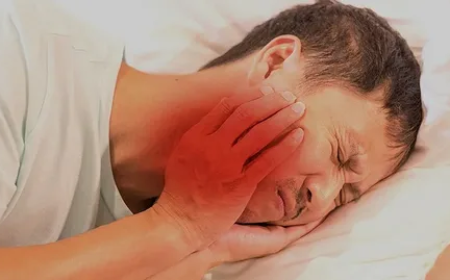
It’s a random sunny Saturday, and then you feel a sharp pain running through your tooth. Or maybe you’re playing; suddenly you fall, leaving you with a chipped tooth, and you see some blood trickling down. Now you have a dental emergency that needs immediate attention.
That is when you need to know how you can find a reliable emergency dentist to provide you with swift, immediate care.
What Actually Counts as a Dental Emergency?
Not every dental issue may require urgent care, but knowing when you do can save money and a hell lot of pain. A dental emergency may involve severe pain, bleeding, or swelling that could result in permanent damage if it isn’t treated in due time.
If you have severe toothaches that keep you awake at night, it definitely warrants a call to an emergency dentist. These intense pains often indicate a serious issue that needs immediate attention.
Similarly, if you've knocked out a tooth completely as an adult, you're looking at a time-sensitive situation where quick action could mean the difference between saving that tooth or needing an implant surgery to fill that gap. Broken or cracked teeth, especially when accompanied by pain, also require urgent care.
Quick First Aid in Cases of Dental Emergencies
Knocked-Out Tooth: Hold the tooth by the top, i.e., the crown (not the root), rinse it gently if dirty, and try to place it back in the socket where it fell out. If that's not possible, store it in milk or your own saliva and get to an emergency dentist within an hour.
Severe Toothache: Rinse with warm water, gently floss to remove any trapped stuff, and take over-the-counter painkillers. Avoid placing aspirin directly on the gums.
Broken Crown or Filling: If possible, keep the piece and bring it with you. You can temporarily cover sharp edges with dental wax or sugar-free gum, but avoid chewing on that side.
Abscess or Swelling: This is particularly serious and requires immediate attention from an emergency dentist. Rinse with salt water and use an ice pack on the outside of your face to reduce swelling.
Finding Emergency Dental Care When You Need
In these dental crises, ERs might be able to help you with pain management and infections, but they can't perform actual dental procedures. You'll likely receive antibiotics and pain medication, then be told to follow up with a dentist regardless.
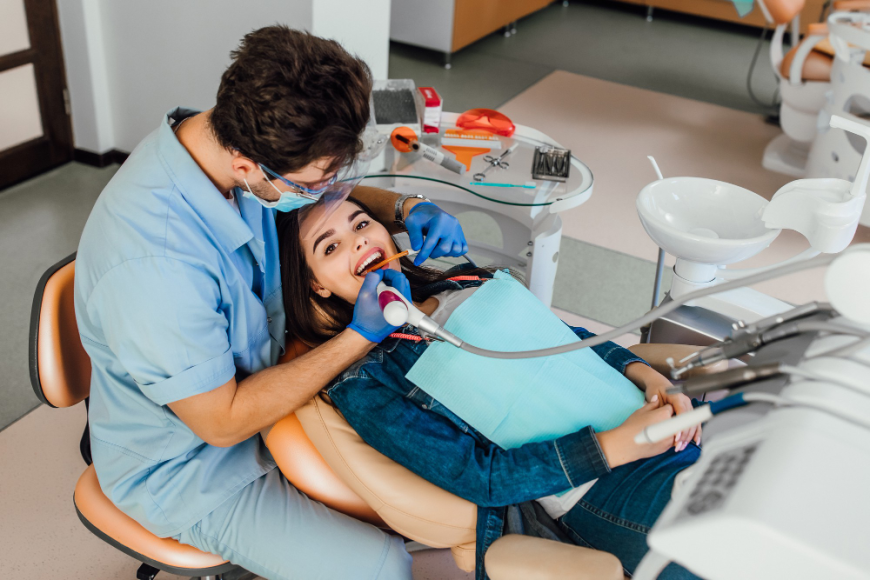
Instead of rushing to the ER, start by calling your dentist's office. They might have after-hours emergency numbers, or they can contact you with other providers who offer weekend care. If you don't have a regular dentist, or if in case they're unavailable, search online for "emergency dentist near me" to find local options.
For residents in the Hopkins area, searching for "Dentist Hopkins MN" can help you locate nearby practices that offer emergency services. Nobody wants to be frantically googling dental offices while dealing with excruciating pain, so you should always have these contacts saved up or at least easy to locate in such emergency situations.
Preventing Future Dental Emergencies
Yes, not all dental emergencies are preventable, but many can be avoided if you take proper care of your teeth and take precautions. Regular dental checkups help catch problems early on so they don’t turn into painful emergencies. Your dentist can identify weak teeth, old fillings that need replacement, and even early signs of infection and cavities.
Invest in a quality mouthguard if you play contact sports; your teeth might not be the first things to get hurt, but when they do, they also hurt your wallet. This simple protective device can prevent countless dental injuries.
Don’t use your teeth to open packages or crack nuts; your teeth are designed for chewing food, not for crushing nuts or opening bottles.
Hard candies, ice cubes, popcorn kernels, and other such items are common culprits in dental emergencies. If you do indulge in harder foods, chew carefully and avoid biting down with excessive force.
The Bottom Line
Dental emergencies are stressful, painful, and often expensive – but they're also manageable when you know what to do. Keep your regular dentist's emergency contact information handy, know the signs that require immediate attention, and don't hesitate to seek care when you need it. Remember, addressing dental problems early almost always leads to better outcomes and lower costs than waiting until the situation becomes truly dire.
Your oral health is an important part of your overall well-being, so treat dental emergencies with the seriousness they deserve.