How to Edge Your Lawn for a Professional Finish
A clean, sharp lawn edge makes a huge difference. It turns a basic yard into a polished landscape. It’s the small touch that gives your lawn that "pro" look—even if you're doing it yourself. In this guide, we’ll walk you through the steps of edging your lawn. We’ll keep it simple. No fancy terms, no long words. Just good, clear advice you can use right away.
 jisan
jisan
What Is Lawn Edging?
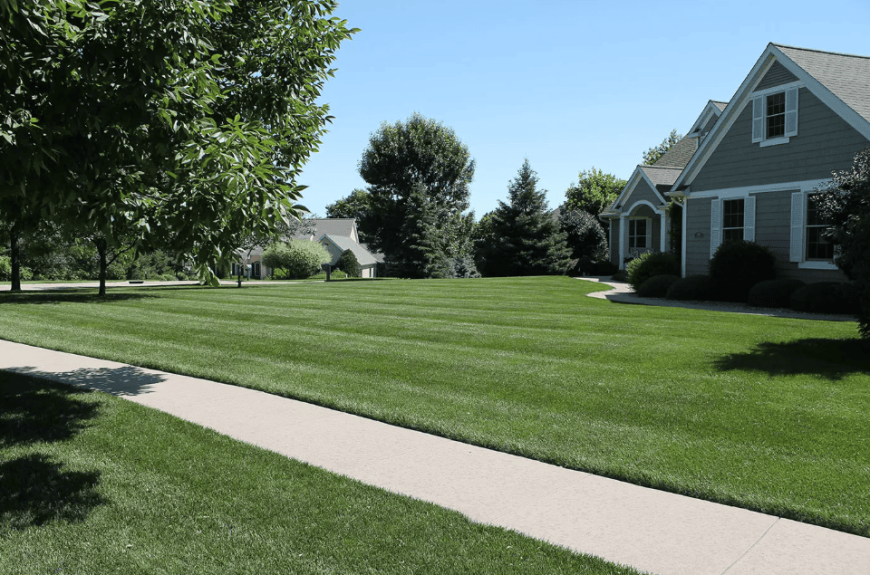
Edging lawn care is the process of creating a clean line between your grass and other areas—like sidewalks, driveways, flower beds, or patios. It separates the lawn from everything else. It’s not just about looks either. Edging lawn care helps control grass from spreading into places it shouldn’t.
Think of it as giving your lawn a haircut. It just looks neat, clean, and tidy when you’re done.
Why Is Edging Important?
You might mow your lawn every week. That’s great. But if the edges are rough or overgrown, the whole yard looks messy. Edging adds structure and makes everything look finished.
Here’s what good edging does:
Stops grass from invading flower beds
Keeps walkways and driveways looking clean
Boosts curb appeal instantly
Makes mowing easier over time
In short, edging is a small job with a big impact.
Tools You Need for Edging Lawn Care
You don’t need a truck full of gear. Here are the basics:
Manual Tools:
Half-moon edger – For cutting a straight edge by hand
Spade or shovel – Useful if you don’t have an edger
Hand trimmer or shears – For touch-ups
Power Tools:
String trimmer – You can turn it sideways to edge
Electric or gas-powered edger – Best for bigger lawns
Manual tools work great for small areas. Power tools save time if you’ve got a large yard.
How to Edge Your Lawn
Let’s break it down. You can edge your lawn in a few simple steps.
Plan Your Edge
Walk around your lawn and decide where you want clean lines. Look at:
Sidewalks
Driveways
Garden beds
Patios
Fence lines
If you’re edging for the first time, you might want to mark the edge with spray paint or a garden hose.
Cut the Edge
Using your tool of choice, start cutting your edge. If it’s a manual edger, press it down with your foot and rock it gently. Keep the line straight.
If you’re using a power edger, go slow. Let the blade do the work. Keep the depth around 2–3 inches.
Remove Extra Grass and Soil
Once you’ve cut the line, pull out any loose turf or soil. Use a spade to clear out clumps. This creates a visible edge right away.
Clean Up the Edge
Use a string trimmer or clippers to trim the grass blades along the edge. Make it sharp and even. Rake up any mess so the line is clear and clean.
Maintain It
Edging isn’t just a one-time job. But the good news is, it’s easier each time. A quick trim every 1–2 weeks will keep things looking sharp.
When Should You Edge?
Spring is a great time to start edging lawn care. That’s when the grass starts growing fast. But you can edge any time during the growing season.
Try to edge:
Every other mowing session
After trimming garden beds
Before applying mulch or fresh gravel
This keeps your yard looking well-kept all season long.
Lawn Edging Tips from the Pros
Want your edging job to stand out? Follow these extra tips.
Stay Consistent
Keep the depth and spacing even. Wobbly edges are more noticeable than you think.
Don’t Rush
Slow and steady gets better results. Whether using a power tool or a manual one, take your time.
Use Mulch or Stone Borders
After you edge, adding mulch or stone gives it a clean finish and helps slow regrowth.
Edge When It’s Dry
Wet grass clumps and sticks to everything. Edge on a dry day for a cleaner cut.
Sharpen Your Tools
Dull blades make rough cuts. Keep your edger blade or shovel sharp for smooth lines.
Edging Lawn Care for Different Areas
Let’s talk about how edging works in different parts of the yard.
Along Driveways and Sidewalks
Use a power edger or string trimmer for these areas. Keep the line straight and tight. These edges get walked on, so clean lines really stand out.
Around Garden Beds
Use a spade or half-moon edger. You can even create a small trench for a classic look. This helps keep mulch in and grass out.
Around Trees and Posts
Go slow around curves. A hand tool is best here. You don’t want to cut into roots or damage bark.
Edging vs Trimming: What’s the Difference?
People often mix them up. But they’re not the same.
Edging is about making vertical cuts along the edge of the lawn.
Trimming is about cutting the grass in tight spots your mower missed.
Both are important. But edging gives your lawn that “just-professional” look.
Should You Hire a Pro?
Edging can be a DIY job, especially for small yards. But if you don’t have the time or tools, hiring a pro might be worth it.
A professional can:
Edge faster and straighter
Use better tools
Help with tough spots or uneven terrain
It’s all about what works best for your time and budget.
Final Thoughts
Edging lawn care doesn’t have to be hard. With a little practice, your yard can look clean, polished, and well-maintained. Start small. Focus on one part of your lawn. Once you see the difference, you’ll want to edge everywhere.
Clean edges show that you care about your space. And that kind of care always stands out.
FAQs About Edging Lawn Care
Q. How often should I edge my lawn?
A. Every 1–2 weeks during the growing season is ideal. It depends on how fast your grass grows.
Q. Can I use a weed eater to edge?
A. Yes, just turn the weed eater sideways and use it carefully along the edge. It works well with practice.
Q. What’s the easiest tool for beginners?
A. A half-moon edger is simple and cheap. For larger areas, try a basic electric edger.
Q. Should I edge before or after mowing?
A. Edge after mowing. That way you can see the shape better and clean up any leftover grass clippings.
Q. How deep should I edge my lawn?
A. A depth of 2–3 inches is usually enough to create a strong edge and stop grass from spreading.