How to Choose the Perfect Gymnastics Bar Based on Age and Skill Level
Learn how to choose the right Gymnastics Bar based on age and skill level. Discover key features, safety tips, and buying advice for home training.
 airtumble
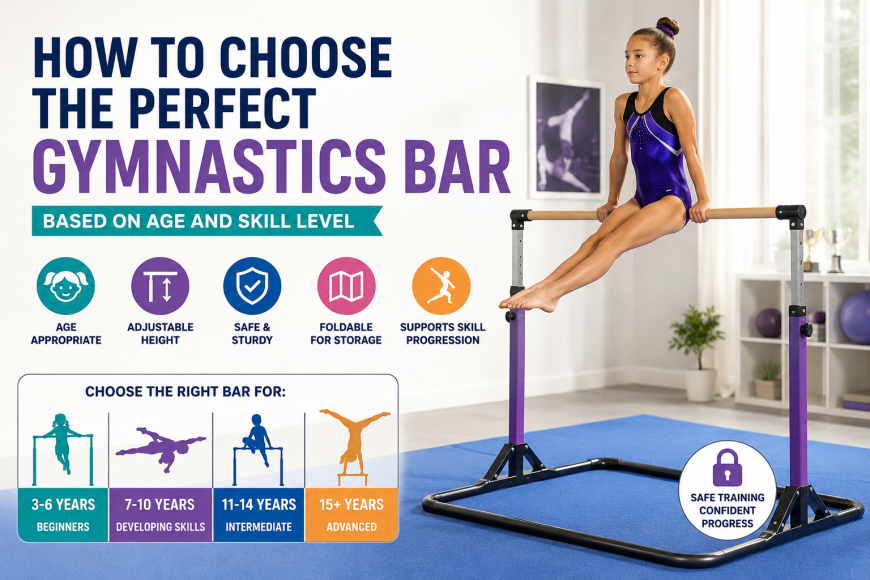
Selecting the right training equipment is one of the most important decisions for any aspiring gymnast. Whether you are a parent looking for a safe practice solution for your child or an athlete aiming to improve strength and technique at home, choosing the correct bar can make a significant difference in both performance and safety.
With numerous options available on the market, it can be challenging to determine which model best suits a gymnast’s age, size, and ability level. Factors such as adjustability, stability, weight capacity, storage requirements, and safety features should all be considered before making a purchase.
This guide will help you understand how to select the ideal Gymnastics Bar based on age and skill level while ensuring long-term value and safe training.
Why Choosing the Right Training Bar Matters
A properly selected training bar provides a safe environment for practicing skills, building confidence, and developing strength. When equipment matches the gymnast’s age and experience, progression becomes smoother and the risk of injury is reduced.
Many modern home-training bars include adjustable height settings, durable crossbars, non-slip feet, and secure locking systems. These features allow athletes to grow with the equipment while maintaining stability during practice. Adjustable models are particularly beneficial because they accommodate skill progression over several years.
Choosing by Age Group
Ages 3–6: Young Beginners
Children in this age range are typically learning basic movements such as:
-
Front support
-
Simple swings
-
Hanging positions
-
Balance and coordination exercises
For younger athletes, safety should be the primary focus. Look for:
-
Lower height settings
-
Soft protective padding
-
Stable frame construction
-
Easy-to-grip crossbars
A compact design is often sufficient because advanced skills are not yet part of training. Parents should always supervise practice sessions and ensure suitable safety matting is placed underneath the equipment.
Ages 7–10: Developing Fundamental Skills
As gymnasts gain confidence, they begin working on more structured techniques, including:
-
Pullovers
-
Back hip circles
-
Casts
-
Basic strength drills
At this stage, adjustable-height equipment becomes extremely valuable. Height flexibility allows athletes to practice comfortably while gradually progressing toward more advanced movements.
Storage can also become an important consideration for families. Foldable designs provide a practical solution for homes with limited space while still offering a stable training environment. Foldable models are specifically designed to make storage easier without compromising functionality.
Ages 11–14: Intermediate Gymnasts
Intermediate athletes require equipment capable of supporting increased training intensity. They typically focus on:
-
Improved swing mechanics
-
Strength development
-
Skill combinations
-
Conditioning exercises
When selecting equipment for this age group, prioritize:
-
Strong frame construction
-
Secure locking mechanisms
-
Durable crossbar materials
-
Reliable weight capacity
A fibreglass crossbar is often preferred because it offers durability and resilience during repeated training sessions. Additionally, adjustable height ranges help accommodate growth spurts common during these years.
Ages 15+ and Advanced Athletes
Older gymnasts place greater demands on training equipment. They require bars that can withstand more advanced practice sessions and provide consistent stability.
Important considerations include:
-
Maximum user weight
-
Structural strength
-
Stability during dynamic movements
-
Long-term durability
Advanced athletes should verify manufacturer specifications carefully and ensure the equipment is designed for their training goals. Home equipment is often best suited for skill refinement, conditioning, and technique development rather than high-level competitive releases.
Choosing Based on Skill Level
Beginner Level
For beginners, simplicity and safety are key.
Recommended features include:
-
Adjustable height settings
-
Protective padding
-
Easy assembly
-
Stable base design
The goal is to create a positive learning experience that encourages regular practice without overwhelming the athlete.
Intermediate Level
Intermediate users benefit from equipment that grows alongside their abilities.
Look for:
-
Multiple height adjustments
-
Strong locking systems
-
Durable construction materials
-
Enhanced stability features
Many athletes at this level practice several times each week, making quality construction an important investment.
Advanced Level
Advanced gymnasts require equipment that supports consistent training and conditioning.
Key features include:
-
Premium materials
-
Reinforced construction
-
High weight capacity
-
Professional-grade adjustability
Equipment should provide a realistic training feel while maintaining safety standards for home use.
Important Features to Consider
Height Adjustability
One of the most valuable features is adjustable height capability. Being able to modify the training height allows athletes to practice comfortably as they grow and advance.
Some models offer adjustment ranges from approximately 88 cm to 150 cm, making them suitable for a wide variety of ages and skill levels.
Stability
Stability is essential for safe training. Look for:
-
Wide base construction
-
Rubber feet
-
Strong frame materials
-
Secure locking systems
A stable setup helps athletes focus on skill development rather than worrying about movement or wobbling during practice.
Storage and Space Requirements
Not every family has a dedicated training area.
Foldable designs can be particularly useful because they allow equipment to be stored efficiently when not in use. Certain models feature folding legs and transport wheels that simplify storage and movement around the home.
Safety Features
Safety should never be overlooked.
Useful safety elements include:
-
Bar padding
-
Rubber floor protection
-
Dual-lock adjustment systems
-
Recommended matting underneath the training area
Additional protective mats can significantly reduce impact during landings and skill practice.
Why Adjustable Models Are Popular
Many families prefer adjustable training bars because they provide long-term value. Instead of replacing equipment as a child grows, a single adjustable model can support multiple development stages.
The foldable training systems offered by AirTumble are designed with adjustable height settings, durable fibreglass crossbars, and compact storage features that help accommodate growing gymnasts while maximizing available space.
Additionally, AirTumble equipment incorporates practical features such as dual-lock adjustment mechanisms, bar padding, and easy storage solutions, making it a popular choice for home training environments.
Final Thoughts
Choosing the perfect Gymnastics Bar depends on balancing age, skill level, safety requirements, and available space. Younger athletes benefit from simple, secure setups, while intermediate and advanced gymnasts require stronger construction and greater adjustability.
By focusing on stability, durability, height adjustment, and safety features, families can invest in equipment that supports long-term athletic development. Whether the goal is recreational practice or skill progression, selecting the right Gymnastics Bar can help create a safe and effective training experience for years to come.
Frequently Asked Questions
1. What age is appropriate to start using a gymnastics training bar?
Many children begin basic gymnastics activities between the ages of 3 and 6 under proper supervision. Equipment should always match the child’s size and ability level.
2. Is an adjustable bar better than a fixed-height model?
Yes. Adjustable models accommodate growth and skill progression, making them a more cost-effective long-term investment.
3. Do I need safety mats under the bar?
Yes. Appropriate gymnastics mats help reduce impact during practice and improve overall safety.
4. How much space is required for home training?
The required space depends on the equipment dimensions and surrounding clearance. Always allow extra room around the setup for safe movement and dismounts.
5. What features should I prioritize when buying a training bar?
Focus on adjustability, stability, durable construction, secure locking systems, and adequate safety padding.