How to Choose the Perfect Computer Table for Your Space
 Kailashverma123
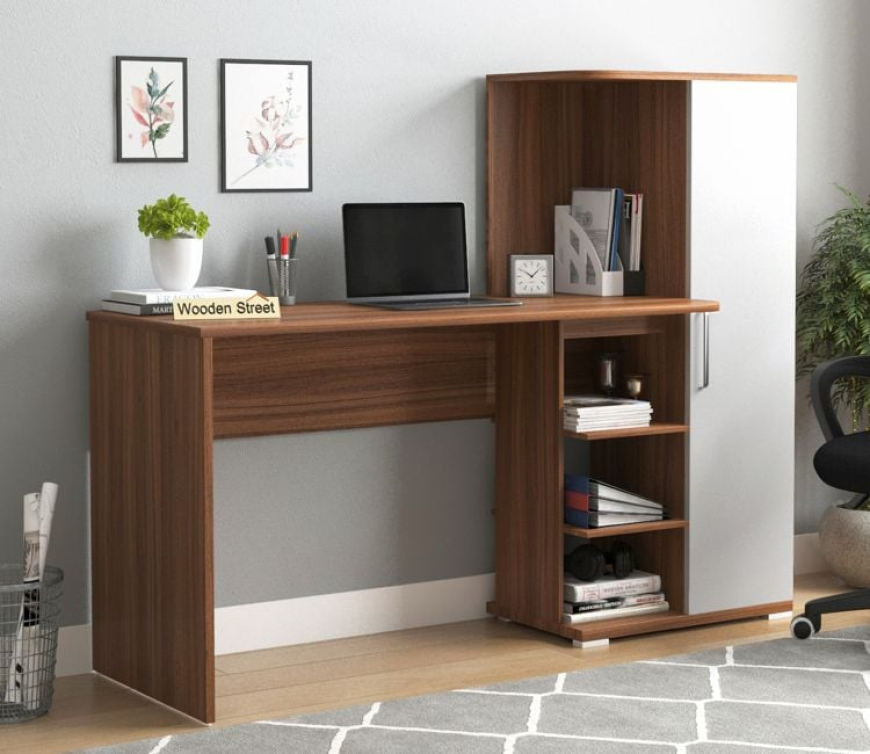
In today's digital age, a computer table isn't just another piece of furniture—it's a vital part of your productivity, comfort, and interior design. Whether you're working from home, gaming, or setting up a study corner for your child, choosing the right table can significantly impact your daily life. This guide will help you understand how to choose the perfect computer table for your space, blending functionality with style.
1. Assess Your Space and Room Layout
Before buying any furniture, always measure the space where you intend to place the computer table. Consider the room's layout, walking area, and access to electrical outlets. Here's what to keep in mind:
-
Measure the dimensions (length, width, and height) of the available space.
-
Leave clearance for the chair, drawers, and leg movement.
-
Plan for accessories like printers, filing cabinets, or desk lamps.
For smaller rooms, a wall-mounted or corner table can save space. In larger rooms, L-shaped or U-shaped designs can create a more expansive work area.
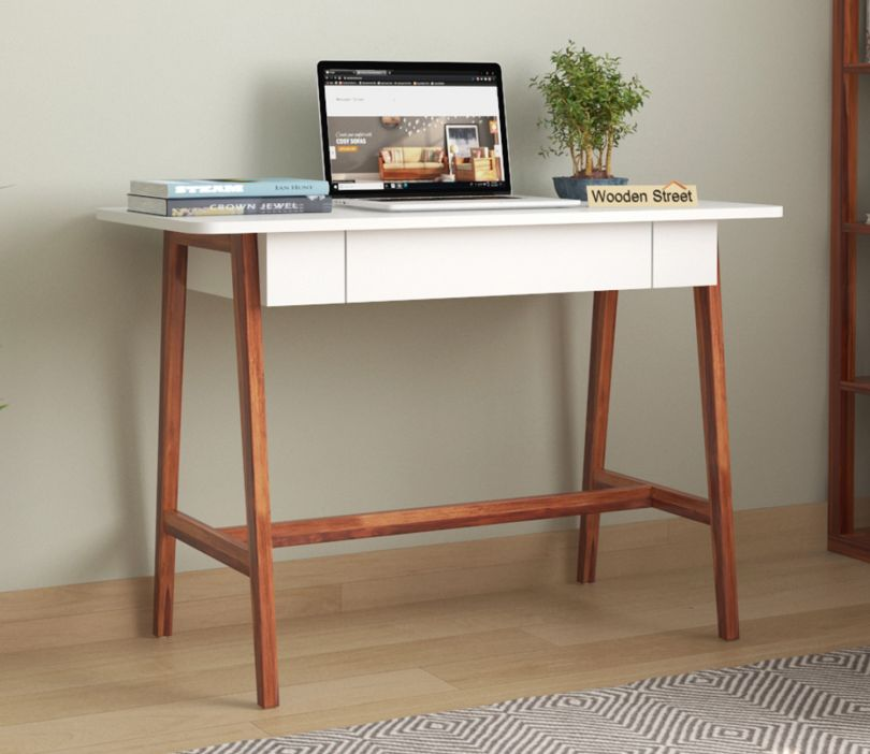
2. Identify the Purpose of Use
Ask yourself: What will you use the table for? Your specific needs will determine the type of table that suits you best.
-
For Work or Study: Opt for a table with storage options like drawers or shelves for books, documents, and stationery.
-
For Gaming: Choose a sturdy table with enough surface for multiple monitors and space for accessories like gaming consoles and speakers.
-
For Casual Use: A minimalist table with basic features might suffice.
Knowing your purpose helps filter options based on design, storage, and ergonomic features.
3. Choose the Right Material
Computer desk comes in various materials, each offering distinct benefits:
-
Wood: Offers a classic and durable look. Great for both traditional and contemporary decor.
-
Metal: Strong and modern, often used in minimalist or industrial styles.
-
Glass: Sleek and modern, though prone to fingerprints and requires careful handling.
-
Engineered Wood (MDF or Particle Board): Budget-friendly and available in many styles but less durable than solid wood.
When selecting a material, consider durability, maintenance, and aesthetics.
4. Look for Ergonomic Features
Ergonomics plays a vital role in promoting good posture and reducing strain on your neck, shoulders, and back. Here’s what to consider:
-
Proper height: Your elbows should be at a 90-degree angle when typing.
-
Keyboard trays: Prevent wrist fatigue and save desktop space.
-
Monitor stands: Elevate screens to eye level to reduce neck strain.
-
Cable management: Built-in cable organizers keep cords tidy and prevent clutter.
A well-designed ergonomic table can enhance comfort and productivity over long hours.
5. Consider Storage Needs
A clutter-free workspace enhances focus and efficiency. Depending on your needs, you might want a computer table with:
-
Drawers: Ideal for storing paperwork, gadgets, or office supplies.
-
Shelves: Great for books or decorative items.
-
Hutches: Vertical storage options that utilize upper space effectively.
However, too much built-in storage might make the table bulky. Always balance storage with available space.
6. Pick a Style That Complements Your Interior
A computer table design should blend seamlessly with the room's decor. Choose a style that complements your home's theme:
-
Minimalist: Clean lines, neutral colors, and simplicity.
-
Industrial: Metal frames with wooden tops and exposed bolts.
-
Rustic: Warm wood tones and a natural look.
-
Contemporary: Bold designs with modern aesthetics.
Pay attention to the table's color, texture, and shape to ensure it enhances the room rather than clashes with it.
7. Check for Mobility and Flexibility
For people who rearrange their setup often or work in shared spaces, flexibility is key. Here are some features to consider:
-
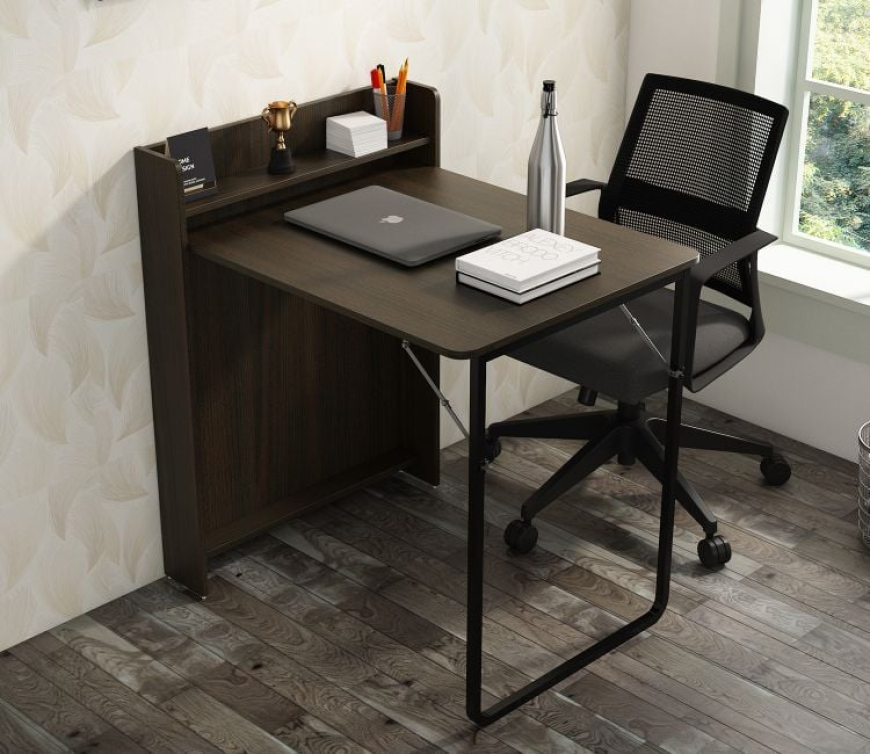
Foldable tables: Perfect for temporary workstations or tight spaces.
-
Tables with wheels: Easy to move around and reposition.
-
Modular designs: Let you reconfigure components to fit changing needs.
These features are particularly useful in small apartments or multi-functional rooms.
8. Ensure Durability and Build Quality
You want a table that lasts for years, not months. Here’s how to evaluate durability:
-
Check the weight capacity of the table to ensure it can support monitors, laptops, and accessories.
-
Look for sturdy joints and smooth sliding drawers.
-
Read reviews or check brand reputation before purchasing.
A strong frame and high-quality surface will resist wear and tear, even with daily use.
9. Think About Cable Management
Messy wires can be distracting and dangerous. Tables with built-in cable grommets or trays make it easier to manage electronics. Alternatively, you can buy separate cable organizers or clips to keep things tidy.
Well-managed cables not only look better but also improve safety and functionality.
10. Budget Smartly
Computer tables come in a wide price range. Set a realistic budget while keeping quality in mind. Spending a little extra can save you from early repairs or replacements.
-
Low-budget (₹2,000 – ₹5,000): Basic models with limited features.
-
Mid-range (₹5,000 – ₹10,000): Better material and moderate storage.
-
Premium (₹10,000 and above): High-end materials, excellent ergonomics, and extensive storage.
Don’t forget to consider delivery charges, warranties, and assembly services in your total budget.
11. Test Before You Buy (If Possible)
If you're purchasing from a physical store, take the time to sit at the table, open the drawers, and feel the surface. Online shoppers should read reviews, check customer photos, and confirm return policies in case the product doesn’t meet expectations.
Always ensure the actual product matches the listed specifications.
12. Think Long-Term
Trends come and go, but functionality remains. Choose a design that can grow with your needs—whether you’re adding another monitor, changing jobs, or moving to a new space.
Opt for a design that’s timeless, versatile, and adaptable to future changes.
Conclusion
Selecting the perfect computer table requires a thoughtful blend of functionality, comfort, and aesthetics. Start by measuring your space, identifying your needs, and exploring material and style options. Look for ergonomic features and sufficient storage while ensuring the build quality stands the test of time.
Whether you're setting up a home office, gaming corner, or a study zone, investing in the right computer desk can transform your space into a more productive and comfortable environment.