How to Choose the Best Monk Fruit Sweetener in India
Learn how to choose the best monk fruit sweetener in India with expert tips on purity, ingredients, quality, and healthy sugar alternatives.
 jorgesmith
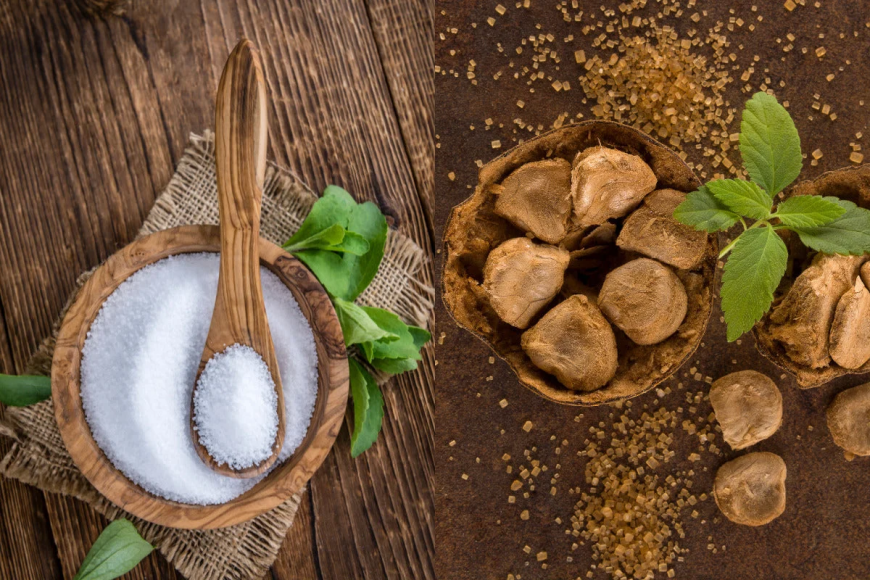
Sugar cravings don't disappear just because you've decided to eat healthier — but what you reach for to satisfy them can make all the difference. Over the last few years, monk fruit sweetener has moved from a niche health-food shelf item to one of the most searched natural sugar substitutes in the country. Yet with dozens of brands, blends, and confusing labels flooding the Indian market, choosing the best monk fruit sweetener in India isn't as simple as picking the first jar you see online.
This guide breaks down exactly what monk fruit sweetener is, why it's gaining popularity among Indian households, and — most importantly — how to identify a genuine, high-quality product versus a diluted or misleading one.
What Is Monk Fruit Sweetener?
Monk fruit, also known as luo han guo, is a small round fruit native to southern China. It has been used in traditional Chinese medicine for centuries, prized for its natural sweetness and soothing properties. The sweetness doesn't come from sugar at all — it comes from unique antioxidant compounds called mogrosides, which can be 150 to 250 times sweeter than table sugar, yet carry zero calories and don't spike blood glucose levels.
This is what makes pure monk fruit extract India buyers are searching for so valuable: it delivers real sweetness without the metabolic baggage of sugar, making it suitable for people managing diabetes, weight, or simply trying to cut refined sugar from their diet.
Why Monk Fruit Sweetener Is Gaining Popularity in India
India has one of the highest rates of diabetes and metabolic syndrome in the world, and awareness around sugar's role in this is growing fast. At the same time, more people are becoming ingredient-conscious — reading labels, questioning additives, and looking for cleaner alternatives to both sugar and older artificial sweeteners like aspartame or saccharin.
Monk fruit sweetener fits neatly into this shift because it is:
- Natural — derived from a fruit, not synthesized in a lab
- Zero-calorie and zero-glycemic — safe for diabetics and those on low-carb or keto diets
- Heat-stable — usable in cooking, baking, and hot beverages without breaking down
- Free of the aftertaste commonly associated with stevia or artificial sweeteners
However, not every product labeled "monk fruit sweetener" delivers on these promises — which is exactly why knowing how to choose correctly matters.
The Problem: Not All Monk Fruit Sweeteners Are the Same
Here's something most first-time buyers don't realize: pure monk fruit extract is intensely potent and relatively expensive to produce. Because of this, many commercial products blend it heavily with erythritol, dextrose, inulin, or other fillers — sometimes making up 95–99% of the product — while monk fruit extract itself is present only in trace amounts.
This isn't necessarily bad (erythritol, for instance, is a well-tolerated sugar alcohol), but it does mean two products both labeled "monk fruit sweetener" can have very different compositions, sweetness levels, and health profiles. If you're specifically looking for the benefits of mogrosides — the antioxidant compounds responsible for monk fruit's therapeutic reputation — you need to check what percentage of actual fruit extract is in the jar.
How to Choose the Best Monk Fruit Sweetener in India: 7 Key Factors
1. Check the Mogroside Content
Look for the mogroside V percentage on the label — this is the standardized way to measure monk fruit extract purity. Higher mogroside concentrations (typically 25%, 50%, or 80%) indicate a more potent, less diluted extract. A product that doesn't disclose this number at all is often a red flag.
2. Understand the Ingredient List
A clean, trustworthy product should clearly state exactly what it contains — whether that's 100% monk fruit extract, or a blend with erythritol or another natural bulking agent. Avoid products with vague labeling like "natural sweetener blend" without further breakdown, and be cautious of hidden maltodextrin or added sugars, which defeat the purpose entirely.
3. Look for Non-GMO and Pesticide-Free Sourcing
Since monk fruit is imported (primarily from China's Guangxi region), sourcing transparency matters. The best brands disclose their sourcing practices and lab-test for pesticide residue and heavy metals, especially important in a category consumed daily by health-conscious families.
4. Verify Third-Party Lab Testing
Reputable brands publish or share Certificate of Analysis (CoA) reports confirming mogroside content, purity, and the absence of contaminants. This is one of the clearest ways to separate a serious wellness brand from a repackaged import with no quality checks.
5. Taste and Aftertaste
Pure monk fruit extract, when properly processed, has a clean sweetness with minimal aftertaste. Overly bitter or metallic aftertastes often indicate lower-quality extraction or excessive filler content.
6. Format Suited to Your Use
Monk fruit sweeteners come in powder, granulated, and liquid drop forms. Baking and cooking generally work better with granulated or powder blends that mimic sugar's texture, while liquid drops are convenient for teas, coffee, and smoothies.
7. Brand Transparency and Reputation
Finally, choose a brand that is transparent about sourcing, manufacturing, and testing — not just marketing claims. This is where Monk Nectar® has built its reputation in India, offering pure monk fruit extract India consumers can verify, with clearly labeled mogroside content and a focus on clean-label formulation rather than heavily diluted blends.
Monk Fruit vs. Other Popular Sweeteners
|
Sweetener |
Glycemic Index |
Calories |
Source |
Aftertaste |
|
Monk Fruit Extract |
0 |
0 |
Fruit (mogrosides) |
Minimal |
|
Stevia |
0 |
0 |
Plant (steviol glycosides) |
Noticeable bitterness in some blends |
|
Erythritol |
0 |
~0.2 kcal/g |
Fermented corn/starch |
Cooling sensation |
|
Refined Sugar |
65 |
4 kcal/g |
Sugarcane/beet |
None (but metabolically costly) |
|
Artificial Sweeteners (Aspartame, Saccharin) |
0 |
~0 |
Synthetic |
Metallic, chemical |
This comparison shows why monk fruit — particularly when sourced as a high-purity extract like Monk Nectar® — is increasingly considered one of the most balanced natural sugar alternatives available.
Who Should Consider Monk Fruit Sweetener?
- People managing diabetes or prediabetes who need blood-sugar-safe sweetening options
- Those following keto, low-carb, or weight-management diets
- Parents looking for cleaner alternatives to introduce in family cooking and baking
- Fitness-focused individuals who want sweetness without disrupting caloric goals
- Anyone simply trying to reduce processed sugar intake without sacrificing taste
How to Use Monk Fruit Sweetener in Everyday Cooking
Monk fruit sweetener works well in tea, coffee, lassi, desserts, and Indian sweets like kheer or halwa, since it holds up under heat without losing sweetness or developing a burnt taste. Because it's far sweeter than sugar by volume, most brands — including Monk Nectar® — offer sugar-equivalent conversion charts on their packaging, so a home cook can substitute it in familiar recipes without guesswork.
A good starting approach is to begin with a smaller quantity than you would use for sugar, taste, and adjust — since even a small amount of concentrated extract can go a long way.
Frequently Asked Questions
Is monk fruit sweetener safe for daily use?
Yes. Monk fruit extract has been reviewed and recognized as safe for regular consumption by major food safety authorities globally, including the FDA (GRAS status). It contains no sugar and does not affect blood glucose levels, making it suitable for daily use in most healthy diets.
What makes a monk fruit sweetener "pure"?
A pure monk fruit extract is one where mogrosides — the natural sweet compounds from the fruit — make up a clearly disclosed, verifiable percentage of the product, without excessive dilution from fillers or added sugars.
Can diabetics use monk fruit sweetener?
Yes. Because monk fruit sweetener has a glycemic index of zero and does not raise blood sugar, it is widely recommended as a sugar substitute for diabetics, though individuals should still consult their doctor regarding their overall diet.
Is monk fruit sweetener better than stevia?
Both are natural, zero-calorie sweeteners. Monk fruit generally has a cleaner taste with less bitter aftertaste compared to some stevia products, though personal preference plays a role. Many consumers find high-purity monk fruit extract, such as Monk Nectar®, more palatable in daily use.
How do I know if a monk fruit sweetener is genuine?
Check for disclosed mogroside percentage, a transparent ingredient list, third-party lab testing or certification, and a brand that clearly explains its sourcing — rather than vague "natural sweetener" claims.
Final Thoughts
Choosing the best monk fruit sweetener in India comes down to looking past the front-of-pack marketing and checking what's actually inside the jar — the mogroside content, the ingredient transparency, and the sourcing standards behind it. As demand grows, so does the number of diluted or poorly labeled products entering the market, making informed buying more important than ever.
For those seeking genuine pure monk fruit extract India trusts, Monk Nectar® has positioned itself around exactly these principles — clean labeling, verifiable extract purity, and a sweetener that fits seamlessly into everyday Indian cooking and healthier lifestyles. Whether you're managing diabetes, cutting sugar, or simply making smarter choices for your family, understanding these fundamentals ensures you choose a product that truly delivers on its promise of natural, guilt-free sweetness.