How Soon Will You Notice Results After Sleeve Gastrectomy in Islamabad?
Losing weight is a journey, and one of the most common questions people ask before bariatric surgery is, "When will I start seeing results?" While the transformation begins immediately after surgery, the timeline varies from person to person depending on lifestyle, metabolism, and commitment to post-operative care.
 slimethetics10
Losing weight is a journey, and one of the most common questions people ask before bariatric surgery is, "When will I start seeing results?" While the transformation begins immediately after surgery, the timeline varies from person to person depending on lifestyle, metabolism, and commitment to post-operative care. Sleeve Gastrectomy in Islamabad has become one of the most effective long-term solutions for individuals struggling with obesity, offering not only significant weight loss but also improvements in overall health and quality of life.
This guide explains when patients typically notice changes after surgery, what factors influence weight loss, and how to maximize your results for lasting success.
Understanding Sleeve Gastrectomy
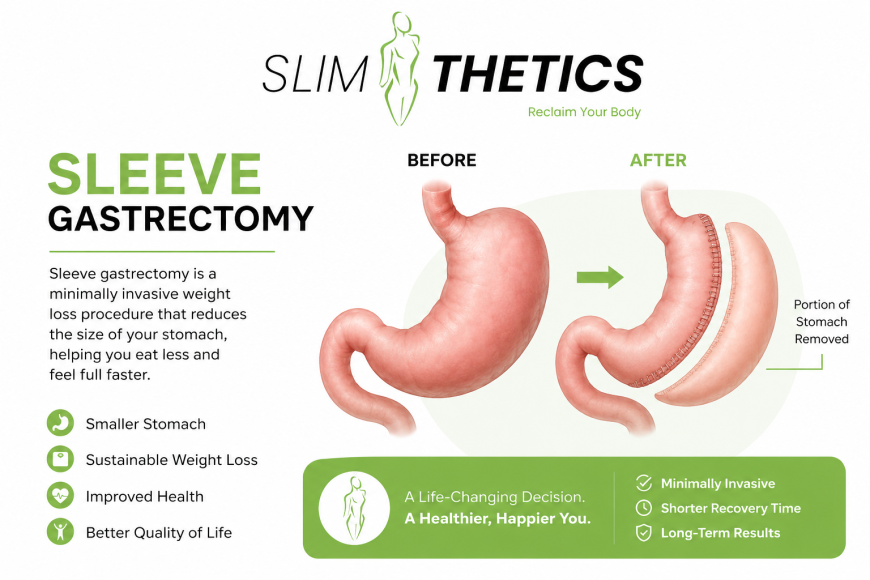
Sleeve Gastrectomy is a bariatric surgical procedure that reduces the size of the stomach by approximately 75–80%. The remaining stomach takes the shape of a narrow sleeve, allowing patients to feel full after eating smaller portions while reducing the production of hunger-related hormones.
How the Procedure Works
- Removes a large portion of the stomach permanently.
- Restricts food intake by reducing stomach capacity.
- Decreases the production of the hunger hormone ghrelin.
- Encourages gradual and sustainable weight loss.
- Is performed using minimally invasive laparoscopic techniques in most cases.
Unlike many temporary weight-loss treatments, sleeve gastrectomy creates long-term changes that help patients develop healthier eating habits and maintain weight loss over time.
When Will You Start Seeing Results?
The timeline for noticeable results differs for every individual, but most patients begin observing physical changes within the first few weeks after surgery.
During the First Week
- Initial weight loss is often rapid.
- Much of the early loss comes from excess water weight.
- Patients follow a liquid diet while the stomach heals.
- Swelling gradually decreases after surgery.
- Energy levels begin improving as recovery progresses.
Although dramatic body changes may not yet be visible, the scale often starts moving almost immediately.
Results During the First Month
The first month is usually one of the fastest periods of weight loss.
What Patients Commonly Experience
- Consistent weekly weight reduction.
- Noticeably smaller portion sizes.
- Reduced appetite.
- Improved mobility.
- Easier movement during everyday activities.
Many patients also begin noticing that their clothing fits more comfortably, even before significant visual changes become apparent.
Weight Loss During the First Three Months
The first three months are often considered the "rapid weight loss phase."
Common Improvements
- Significant reduction in body weight.
- Better blood sugar control.
- Lower blood pressure.
- Reduced joint discomfort.
- Increased confidence and motivation.
During this stage, many individuals begin receiving comments from family and friends who notice visible physical changes.
Results After Six Months
By the six-month mark, patients often experience major physical and health improvements.
Typical Outcomes
- Noticeable body reshaping.
- Improved stamina.
- Better sleep quality.
- Easier participation in physical activities.
- Reduced dependence on obesity-related medications (under medical supervision).
This period is often when patients feel the greatest difference in their daily lives.
One Year After Surgery
Most patients achieve the majority of their weight loss within 12 to 18 months.
Long-Term Results
- Significant reduction in excess body weight.
- Better management of obesity-related diseases.
- Increased physical activity.
- Improved emotional well-being.
- Greater confidence in social situations.
Maintaining healthy habits remains essential for preserving these long-term results.
Factors That Affect Weight Loss Results
Every patient loses weight at a different pace.
Starting Weight
Individuals with a higher starting body weight often lose more pounds initially.
Diet Compliance
Following the recommended nutrition plan helps maximize results while supporting healing.
Physical Activity
Regular exercise improves fat loss, preserves muscle mass, and enhances overall health.
Metabolism
Each person's metabolism responds differently after surgery.
Medical Conditions
Hormonal disorders, diabetes, and other health issues may influence the rate of weight loss.
Commitment to Lifestyle Changes
Successful long-term outcomes depend on maintaining healthy eating habits and consistent physical activity.
Expected Weight Loss Timeline
Although results vary, many patients experience a similar progression.
First Month
- Rapid early weight loss.
- Reduced appetite.
- Smaller meal portions.
Three Months
- Significant body changes.
- Increased energy.
- Improved mobility.
Six Months
- Continued steady weight reduction.
- Better overall fitness.
- Noticeable body contour improvements.
Twelve Months
- Majority of expected weight loss achieved.
- Improved health markers.
- Stable eating habits.
Why Results Differ Between Patients
Weight-loss surgery is not a one-size-fits-all solution.
Several factors influence outcomes, including:
- Age.
- Gender.
- Initial BMI.
- Muscle mass.
- Dietary choices.
- Exercise routine.
- Sleep quality.
- Follow-up care.
- Emotional well-being.
Comparing your progress with others is rarely helpful because every body responds differently.
Signs of Progress Beyond the Scale
Weight is only one measure of success.
Other Positive Changes Include
- Clothes fitting better.
- Increased energy levels.
- Improved confidence.
- Better flexibility.
- Lower blood pressure.
- Better diabetes management.
- Improved cholesterol levels.
- Reduced snoring.
- Enhanced quality of sleep.
These health improvements often occur even before dramatic weight loss becomes visible.
Tips to Maximize Your Results
Following medical advice plays a major role in achieving successful long-term outcomes.
Follow Your Nutrition Plan
- Eat protein-rich foods.
- Avoid sugary drinks.
- Stay hydrated.
- Eat slowly.
- Avoid overeating.
Stay Physically Active
Exercise supports healthy weight loss while improving cardiovascular health.
Recommended activities include:
- Walking.
- Swimming.
- Cycling.
- Resistance training.
- Low-impact aerobic exercise.
Attend Follow-Up Appointments
Regular consultations help your healthcare team monitor your progress and identify potential nutritional deficiencies early.
Take Prescribed Supplements
Vitamin and mineral supplementation helps prevent deficiencies after surgery.
Build Healthy Habits
Long-term success depends on creating sustainable routines rather than relying on temporary changes.
Common Questions About Results
Will I Lose Weight Every Week?
Weight loss is rarely perfectly consistent. Temporary plateaus are a normal part of the process.
Can Weight Loss Stop?
Yes. Weight-loss plateaus occur naturally as the body adjusts. Maintaining healthy habits usually helps overcome them.
Can Weight Return?
Weight regain is possible if healthy lifestyle habits are not maintained. Long-term success requires ongoing commitment to nutrition and exercise.
Is Exercise Necessary?
Yes. Physical activity helps preserve muscle, supports metabolism, and improves overall health.
Benefits Beyond Weight Loss
Many people focus only on the number on the scale, but sleeve gastrectomy offers much more.
Additional Health Benefits
- Better blood sugar control.
- Reduced risk of heart disease.
- Improved fertility in some patients.
- Reduced joint pain.
- Better sleep.
- Increased mobility.
- Higher self-esteem.
- Enhanced quality of life.
These improvements contribute to long-term physical and emotional well-being.
When Should You Contact Your Surgeon?
Although recovery is generally smooth, you should seek medical advice if you experience:
- Persistent vomiting.
- Severe abdominal pain.
- High fever.
- Difficulty swallowing.
- Signs of dehydration.
- Rapid heartbeat.
- Unusual bleeding.
Prompt medical attention helps prevent complications and supports safe recovery.
Final Thoughts
Seeing results after sleeve gastrectomy is an exciting journey that begins almost immediately after surgery. While the first few weeks often bring rapid changes, lasting success depends on consistent lifestyle modifications, balanced nutrition, regular exercise, and ongoing medical follow-up. Every patient's progress is unique, and focusing on long-term health rather than short-term numbers leads to the most rewarding outcomes.
If you're considering bariatric surgery and want expert guidance throughout every stage of your weight-loss journey, Slimthetics Clinic offers comprehensive consultations, advanced surgical care, personalized treatment plans, and dedicated post-operative support. Our experienced team is committed to helping you achieve safe, sustainable results with compassionate care tailored to your individual needs. Schedule a consultation today and take the first confident step toward a healthier future.