How Premier Pitching Programs Help Athletes Reach Their Potential
Learn how structured pitching programs can help baseball players improve their skills, build confidence, and reach their goals.
 stevejones
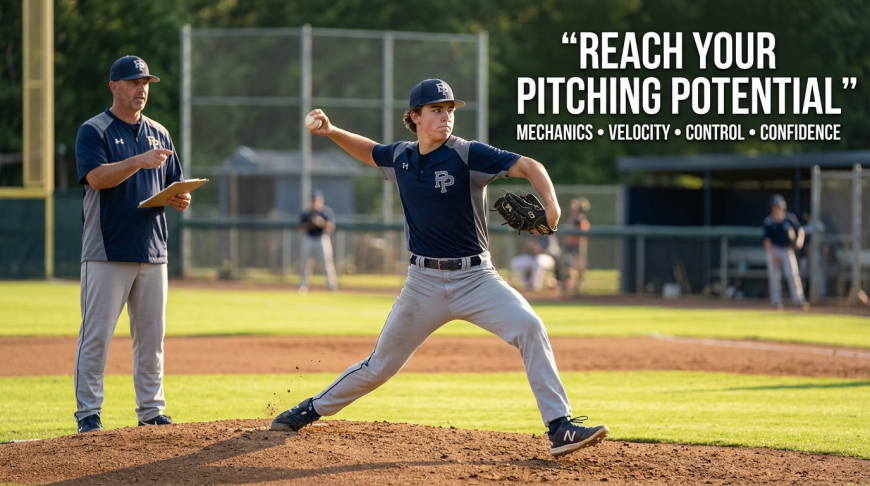
Baseball pitchers work hard to improve their game. Throwing more often can help, but random practice does not always lead to steady progress. A structured pitching program can give players a clear plan and help them focus on the skills they need most.
From pitching mechanics to control and confidence, the right training can help athletes make better progress over time.
What Is a Pitching Program?
A pitching program is a planned form of baseball training made for pitchers. It can include drills, throwing work, strength exercises, and skill training.
The goal is not just to throw harder. Good training can help a player build better movement, improve control, and become more confident on the mound.
Start With Clear Goals
Every pitcher has different needs.
One player may want to improve pitching velocity. Another may need better control or more consistent mechanics. Younger players may want to learn the basics, while advanced athletes may want to prepare for higher levels of play.
A good program starts by looking at the player's goals and current skill level. This makes training more focused and useful.
Better Pitching Mechanics
Pitching mechanics are the movements a player uses to throw the ball.
Simple problems with balance, timing, posture, or body movement can affect a pitch. A structured program gives players a chance to work on these areas through repeated practice.
Better mechanics can help a pitcher:
- Move more efficiently
- Improve balance
- Repeat the same motion
- Control the baseball better
- Build a strong base for future growth
Build Pitching Velocity the Smart Way
Many pitchers want to throw faster. But velocity should not be the only goal.
A strong training plan can combine throwing drills, movement work, strength training, and proper recovery. This can help players develop the skills needed for better throwing performance.
Players should focus on steady improvement rather than trying to gain speed too quickly.
Improve Pitch Control
Throwing hard is only one part of pitching.
A pitcher also needs to put the ball where it needs to go. Training can include drills that help improve control, accuracy, and command.
Better control can help players make smarter pitches during games and keep hitters off balance.
Build Strength and Movement
Pitching uses more than the throwing arm. A pitcher also depends on the legs, hips, core, and upper body.
A complete program may include:
- Strength exercises
- Mobility work
- Balance drills
- Leg training
- Core exercises
These areas can support better movement and help players handle the demands of pitching.
Learn From Feedback
One of the biggest benefits of guided training is feedback.
A coach can watch a pitcher and point out areas that need work. This can help players understand what they are doing well and what they should change.
Video review can also help some athletes see their pitching motion more clearly.
Build Confidence on the Mound
Skill growth is not only physical.
A pitcher who understands their mechanics and trusts their training may feel more confident during games. Regular practice can help players stay focused and handle pressure.
Confidence grows when players see small improvements and learn how to repeat good habits.
Find a Program That Fits Your Needs
There are many pitching programs available, so it is important to compare them carefully.
Look at:
- The player's age and skill level
- Main training goals
- Coaching style
- Training schedule
- Types of drills used
- Progress tracking
- Recovery and safety practices
Players researching options may come across a premier pitching training company when looking for structured coaching and player development. The most important thing is finding a program that fits the athlete's goals and needs.
Stay Consistent
A good training plan only works when players follow it.
Small steps taken over time can lead to bigger improvements. Players should practice regularly, follow recovery guidelines, and stay patient with the process.
Progress may not happen overnight, but steady work can help build stronger skills.
Frequently Asked Questions
What is the main goal of a pitching program?
The main goal is to help a pitcher improve important skills such as mechanics, control, velocity, movement, and confidence.
Can pitching programs help increase velocity?
A well-planned program can support velocity development by working on mechanics, strength, movement, and proper throwing habits.
Are pitching programs good for young players?
Yes. Young players can benefit from age-appropriate training that focuses on good mechanics, skill development, and safe practice.
How often should a pitcher train?
Training frequency depends on the player's age, goals, team schedule, and recovery needs. A balanced plan should include both practice and rest.
What should I look for in a pitching program?
Look for a program that matches the player's skill level and goals, provides useful coaching, tracks progress, and uses safe training methods.
Final Thoughts
A structured pitching program can give athletes a clear path for improvement. It can help them work on mechanics, velocity, control, strength, and confidence while keeping their training focused.
The right plan will look different for every player. By choosing training that matches their goals and staying consistent, pitchers can continue to grow and move closer to their full potential.