How Office Security Teams Handle Workplace Incidents Effectively
Learn how office security teams respond to workplace incidents, protect employees, reduce risks, and maintain a safe, secure business environment.
 jackwillam
Introduction
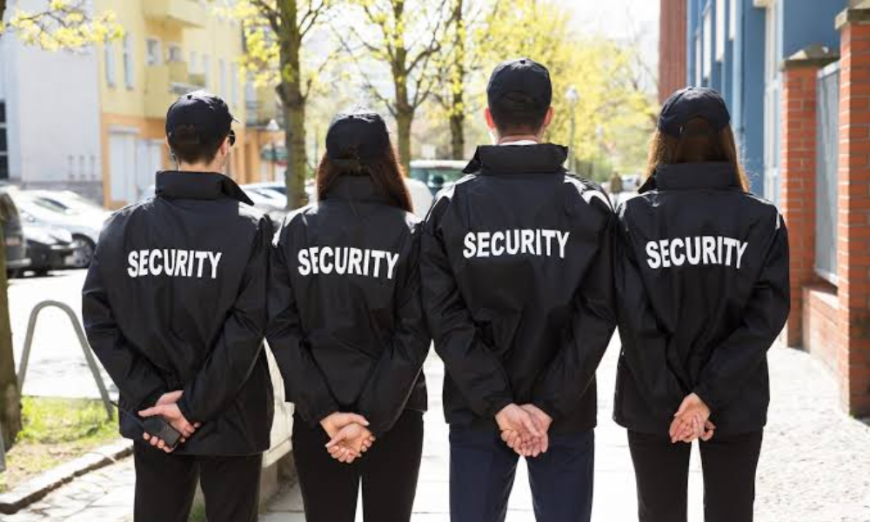
Modern workplaces face a wide range of security challenges, from unauthorised access and theft to emergencies, conflicts, and safety threats. A professional office security team plays a vital role in protecting employees, visitors, company assets, and business operations. Effective security is not only about preventing incidents but also about responding quickly and professionally when problems occur.
Office security teams are trained to assess risks, manage emergencies, communicate clearly, and follow established procedures to minimise disruption. Their ability to handle workplace incidents effectively helps create a safer and more productive environment for everyone.
1. Understanding Workplace Security Risks
Before handling incidents, security teams must understand the potential risks within an office environment. Every workplace has different security requirements depending on its location, size, industry, and daily operations.
Common office security risks include:
-
Unauthorised visitors entering restricted areas
-
Employee disputes or aggressive behaviour
-
Theft of equipment or confidential information
-
Suspicious packages or activities
-
Medical emergencies
-
Fire or evacuation situations
-
Cybersecurity-related concerns requiring physical security support
Professional security teams conduct risk assessments to identify possible threats and create suitable response plans. This preparation allows them to react efficiently instead of making decisions under pressure.
2. Monitoring and Detecting Incidents Early
One of the most important responsibilities of office security teams is early detection. Preventing an incident before it becomes serious is often the most effective approach.
Security officers use various methods to monitor workplace activity, including:
-
CCTV surveillance systems
-
Access control systems
-
Visitor management procedures
-
Regular patrols
-
Communication with employees and management
By maintaining constant awareness, security teams can identify unusual behaviour or potential risks quickly. For example, a security officer may notice someone attempting to enter a restricted area without authorisation and take immediate action before any damage occurs.
3. Responding Quickly to Workplace Emergencies
When an incident occurs, response time is critical. Security teams are trained to act quickly while remaining calm and professional.
During emergencies, security officers typically:
-
Assess the situation
-
Protect employees and visitors
-
Contact emergency services if required
-
Follow workplace emergency procedures
-
Provide accurate information to management
Whether dealing with a medical emergency, security threat, or evacuation situation, a well-trained security team ensures that the correct steps are followed to reduce risks.
4. Managing Unauthorised Access
Unauthorised access is one of the most common security concerns in office buildings. Security teams help control who enters and exits the workplace to prevent potential threats.
Effective access management includes:
-
Checking visitor identification
-
Issuing visitor passes
-
Monitoring entry points
-
Challenging unknown individuals
-
Restricting access to sensitive areas
If someone attempts to enter without permission, security officers handle the situation professionally by verifying their identity and explaining access requirements. This approach protects the workplace while maintaining a welcoming environment.
5. Handling Workplace Conflicts and Difficult Situations
Office environments may occasionally experience disagreements, aggressive behaviour, or conflicts between individuals. Security teams are often responsible for managing these situations safely.
Professional security officers are trained in:
-
Conflict resolution techniques
-
Verbal communication skills
-
De-escalation methods
-
Maintaining personal safety
Instead of immediately using force, security teams aim to calm situations through communication and controlled responses. Their priority is to protect employees while preventing conflicts from escalating.
6. Supporting Emergency Evacuations
Emergency evacuations require organisation, communication, and quick decision-making. Security teams often take a leading role during incidents such as fires, gas leaks, or other building emergencies.
Their responsibilities may include:
-
Activating emergency procedures
-
Guiding employees to safe exits
-
Checking affected areas
-
Preventing people from entering dangerous zones
-
Coordinating with emergency responders
A trained security team helps ensure that evacuation procedures run smoothly and reduces confusion during stressful situations.
7. Coordinating with Emergency Services
Office security teams act as an important link between businesses and external emergency services. When serious incidents occur, security officers provide valuable information to police, fire services, or medical teams.
They may provide details about:
-
The location of the incident
-
People involved
-
Potential hazards
-
Building layouts
-
Access routes
This cooperation allows emergency responders to act faster and more effectively.
8. Documenting and Reporting Incidents
Accurate reporting is an essential part of workplace security management. After handling an incident, security teams record important details to help businesses understand what happened and prevent future problems.
Security reports usually include:
-
Date and time of the incident
-
Location
-
People involved
-
Actions taken
-
Witness information
-
Recommendations for improvement
These reports help management review security procedures and make informed decisions about future safety measures.
9. Using Technology to Improve Incident Response
Technology has significantly improved the way office security teams manage workplace incidents. Modern security solutions provide faster communication, better monitoring, and improved emergency response.
Common security technologies include:
-
CCTV monitoring systems
-
Electronic access control
-
Alarm systems
-
Security communication devices
-
Visitor tracking software
By combining trained personnel with advanced technology, businesses can improve their overall security strategy and respond more effectively to incidents.
10. Providing a Visible Security Presence
A visible security presence can discourage unwanted behaviour before incidents happen. Employees and visitors feel safer when trained security professionals are available to provide assistance.
Security officers also support workplace safety by:
-
Answering security-related questions
-
Helping employees during emergencies
-
Monitoring unusual activity
-
Providing guidance to visitors
A professional security presence creates confidence and demonstrates that the organisation takes workplace safety seriously.
11. Continuous Training and Improvement
Effective incident management requires ongoing training. Security teams regularly update their skills to handle new risks and changing workplace requirements.
Training may include:
-
Emergency response procedures
-
First aid training
-
Fire safety awareness
-
Communication skills
-
Threat assessment techniques
Continuous improvement ensures that security officers remain prepared for different types of workplace incidents.
12. Choosing the Right Office Security Team
A reliable office security team should have experience, proper training, and the ability to adapt to different workplace environments. Businesses should select security providers that understand their specific risks and offer customised solutions.
Important factors to consider include:
-
Security officer qualifications
-
Industry experience
-
Response procedures
-
Customer support
-
Use of modern security technology
The right security partner can significantly improve workplace protection and ensure incidents are handled professionally.
Final Thoughts
Office security teams play a crucial role in maintaining safe and secure workplaces. Their responsibilities go beyond monitoring entrances or patrolling buildings; they are trained professionals who prevent risks, respond to emergencies, manage conflicts, and support business continuity.
By combining preparation, communication, technology, and professional training, security teams can handle workplace incidents effectively while protecting employees, visitors, and company assets. Investing in reliable office security services helps businesses create a safer environment where people can work with confidence.