How Melbourne Private Schools Support Holistic Student Development
 firbankgrammar
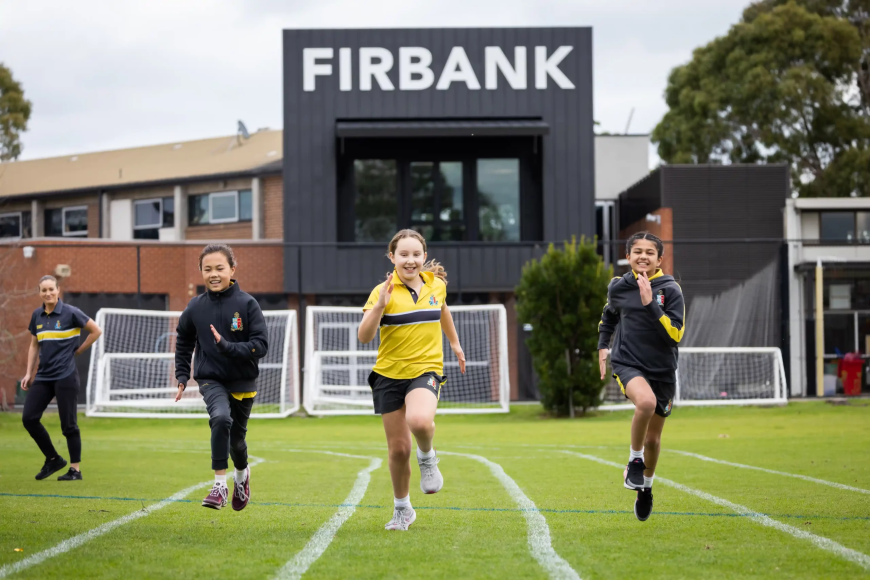
Education in the twenty-first century is no longer measured solely by examination results. While academic achievement remains important, educators increasingly recognise that schools play a significant role in shaping confidence, resilience, leadership, and lifelong learning habits. As a result, many families and researchers are exploring how different educational environments contribute to student growth. Within this discussion, the role of a Melbourne private school has become an important topic.
Independent education has evolved considerably over recent decades. Modern private schools are increasingly focused on supporting the whole child by combining academic learning with wellbeing, personal development, and meaningful co-curricular experiences. This broader approach reflects growing evidence that successful education extends beyond classroom instruction.
Understanding the Role of a Melbourne Private School
A Melbourne private school operates independently while meeting Victorian and Australian educational standards. Although each institution has its own philosophy and culture, many independent schools share a commitment to providing a balanced educational experience.
These schools often focus on:
- Academic achievement
- Student wellbeing
- Leadership development
- Community engagement
- Creative and sporting opportunities
- Character education
- Personal growth
Rather than viewing education as the transfer of information alone, many private schools aim to help students become confident, capable, and responsible individuals.
This holistic perspective reflects a broader educational trend that values emotional intelligence, communication skills, and adaptability alongside traditional academic success.
Why Secondary School Education Matters
The adolescent years are among the most influential stages of development. During this period, students experience significant intellectual, emotional, and social changes.
A supportive secondary school environment helps students navigate these changes while building skills that prepare them for future learning and life beyond school.
Educational research suggests that effective secondary education contributes to:
- Critical thinking
- Communication skills
- Independence
- Emotional resilience
- Problem-solving abilities
- Ethical decision-making
Secondary schooling is therefore about much more than preparing students for assessments. It provides opportunities for young people to develop identity, confidence, and a sense of purpose.
Modern schools increasingly recognise that students learn most effectively when wellbeing and academic growth are supported together. This understanding has led many schools to integrate mentoring, pastoral care, and leadership opportunities into everyday learning experiences.
The Educational Benefits of Boarding Schools
The concept of a boarding school has existed for generations, yet its educational value remains highly relevant today.
While boarding traditionally served students from regional communities, modern boarding education is increasingly recognised for its contribution to personal development and independence.
Living within a structured learning community can help students develop:
- Self-discipline
- Time management
- Organisation
- Responsibility
- Social confidence
- Adaptability
Boarding students often learn to balance academic commitments, extracurricular activities, and personal responsibilities while building strong relationships with peers and mentors.
Importantly, contemporary boarding environments place significant emphasis on student wellbeing. Successful boarding programs provide emotional support, pastoral care, and opportunities for meaningful community connection.
These experiences can help students develop resilience and independence while maintaining a strong sense of belonging.
Holistic Education Beyond Academics
One defining characteristic of many independent schools is a commitment to holistic education.
Holistic learning recognises that education should support multiple aspects of development, including intellectual, emotional, social, physical, and ethical growth.
Schools increasingly support this through:
- Wellbeing programs
- Leadership initiatives
- Service learning
- Creative arts participation
- Sport and physical activity
- Outdoor education
These experiences complement classroom learning and provide opportunities for students to discover strengths, interests, and passions.
Research consistently shows that participation in diverse learning experiences can strengthen engagement, motivation, and confidence.
By supporting development across multiple areas, schools help students become more adaptable and self-aware learners.
Preparing Students for a Changing World
The future presents challenges and opportunities that are difficult to predict. Technological innovation, globalisation, and changing workforce demands require students to develop skills that extend beyond subject knowledge.
Education increasingly focuses on transferable capabilities such as:
- Creativity
- Collaboration
- Communication
- Critical thinking
- Adaptability
- Leadership
These skills are essential across universities, workplaces, and community settings.
A modern Melbourne private school often seeks to cultivate these qualities through academic programs, experiential learning, co-curricular activities, and community engagement.
Students benefit when learning environments encourage them to think independently, work collaboratively, and respond effectively to change.
The Importance of Wellbeing in Education
Student wellbeing has become one of the most significant educational priorities worldwide.
Research increasingly demonstrates that emotional wellbeing influences academic engagement, motivation, and long-term success.
Schools that prioritise wellbeing often provide:
- Mentoring programs
- Counselling support
- Positive learning environments
- Respectful relationships education
- Opportunities for student voice
When students feel safe, valued, and connected, they are more likely to participate actively in learning and achieve positive outcomes.
This connection between wellbeing and learning has become a central principle of contemporary education.
Conclusion
The role of a Melbourne private school extends far beyond academic instruction. Through supportive secondary school pathways, holistic learning opportunities, and structured boarding school experiences, modern independent education seeks to nurture capable, confident, and engaged learners.
As educational priorities continue evolving, schools that balance academic achievement with wellbeing, leadership, and personal growth remain well positioned to prepare students for lifelong learning and future success.