How Do Mental Health Apps Like Calm and Headspace Work Behind the Scenes?
Explores the intricate processes involved in mental health app development, focusing on how platforms like Calm and Headspace are built and managed.
 jessyrayder001
In the digital age, mental wellness has taken a front seat, and apps like Calm and Headspace are leading the way by offering guided meditations, sleep stories, and mindfulness exercises. But what makes these apps work so seamlessly? What goes on behind the scenes that makes them both helpful and easy to use? This article explores the intricate processes involved in mental health app development, focusing on how platforms like Calm and Headspace are built and managed.
The Role of Mental Health App Development in Modern Wellness Solutions
Mental health app development plays a significant role in making therapy and mindfulness accessible to a global audience. These apps are carefully designed to address stress, anxiety, depression, sleep issues, and more. But creating a mental health app that is both clinically effective and user-friendly requires careful planning, collaboration, and cutting-edge technology.
The development of such apps often involves a cross-functional team including mental health experts, software engineers, UX/UI designers, and data scientists. Each team member plays a critical role in ensuring that the app is safe, engaging, and aligned with psychological best practices.
Understanding the User-Centric Architecture
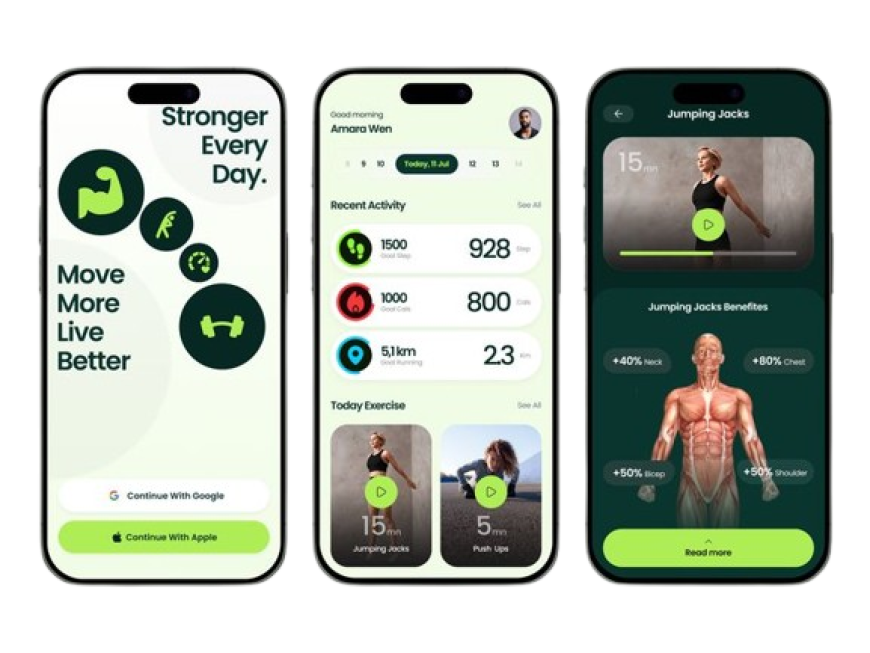
The success of Calm and Headspace lies in their user-centric architecture. These platforms prioritize user experience by offering clean interfaces, intuitive navigation, and personalized content. When developers create meditation app like Calm, they emphasize simplicity and calmness in design to mirror the app’s purpose—reducing stress.
Behind the scenes, developers use various frameworks and programming languages (often React Native or Flutter) to create smooth cross-platform experiences. APIs for video and audio streaming are integrated to support high-quality guided sessions without lag or buffering.
User data is stored securely, often in encrypted cloud databases, and used to personalize content. For example, if a user regularly listens to sleep stories, the app’s algorithm may prioritize similar content on the homepage. This intelligent customization enhances user retention and engagement.
Content Management and Collaboration with Mental Health Professionals
Content is at the heart of any mental health app. Both Calm and Headspace collaborate with therapists, psychologists, yoga instructors, and mindfulness experts to generate guided meditations, wellness exercises, and educational audio-visual content.
Content is usually managed through a dedicated backend system that allows mental health app developers to upload, organize, and publish new sessions regularly. This content management system (CMS) must be flexible and scalable, enabling non-technical experts to contribute new resources without developer intervention.
Additionally, many mental health apps undergo clinical validation and follow guidelines from psychological associations to ensure content accuracy and safety.
Incorporating AI and Machine Learning
To deliver a personalized experience, AI and machine learning are integrated into mental health apps. These technologies analyze user behavior and preferences to recommend content tailored to individual needs.
For example, if a user skips through longer meditations but completes short sessions, the app may prioritize short mindfulness practices. Some advanced platforms can also adjust background music tempo or voice tone based on the user’s emotional input, often gathered through mood-tracking features.
This adaptive content strategy makes the user feel understood and supported, increasing engagement over time.
Security and Data Privacy Compliance
Security and privacy are critical when creating a mental health app. Users entrust these platforms with highly sensitive information regarding their mental health status, daily routines, and emotional patterns.
To protect this data, mental health app developers implement multiple layers of security including:
-
End-to-end encryption
-
Secure login and authentication protocols
-
GDPR and HIPAA compliance
-
Data anonymization for research and analytics
These measures ensure users' information is not misused or exposed, building trust and long-term credibility for the platform.
Gamification and Engagement Strategies
Calm and Headspace utilize subtle gamification to encourage consistent usage. Features like streaks, progress tracking, badges, and reminders make the journey toward mental wellness feel achievable and engaging.
This strategy is powered by behavioral psychology and implemented by the development team through in-app notifications, reward systems, and feedback loops. These features are often backed by analytics tools to monitor what keeps users returning to the app and which features need improvement.
Integration with Wearables and IoT
In recent years, creating a mental health app involves integration with wearable devices like smartwatches and fitness trackers. These integrations allow the app to collect real-time health data such as heart rate, sleep cycles, and activity levels.
By combining this data with in-app behavior, developers can provide a more holistic wellness experience. For instance, if a user’s wearable indicates poor sleep, the app might suggest a guided meditation designed for insomnia the next evening.
This real-time responsiveness enhances the value and practicality of the mental health app.
Scalability and Continuous Improvement
Apps like Calm and Headspace are used by millions of people globally. Therefore, their architecture must support high scalability. Cloud computing platforms like AWS, Azure, or Google Cloud are typically used to ensure apps can handle a large volume of concurrent users without lag or downtime.
Moreover, continuous improvement is a vital part of mental health app development. Developers regularly release updates based on user feedback, bug reports, and new features, ensuring the app remains modern and effective.
Analytics platforms help track user engagement, feature usage, and drop-off points, which inform decisions for future improvements.
Conclusion: The Future of Mental Health Apps
Creating a meditation app like Calm or Headspace is a blend of technology, psychology, and user empathy. From intuitive design and expert content to personalized AI features and data security, many components work together to support users on their mental wellness journey.
As the demand for digital health tools continues to rise, more businesses and entrepreneurs are exploring opportunities in mental health app development. With innovation and responsible development, these platforms will likely become even more effective, accessible, and impactful in promoting global mental wellness.