The Rising Demand for Smarter Circuit Protection
Electrical infrastructure now supports everything from basic lighting to advanced automation and sensitive electronics. As usage grows, the likelihood of electrical faults also increases. Overcurrent, short circuits, and unexpected load changes can damage wiring and devices if not controlled effectively. Reliable circuit protection is therefore a foundational requirement in every modern installation.
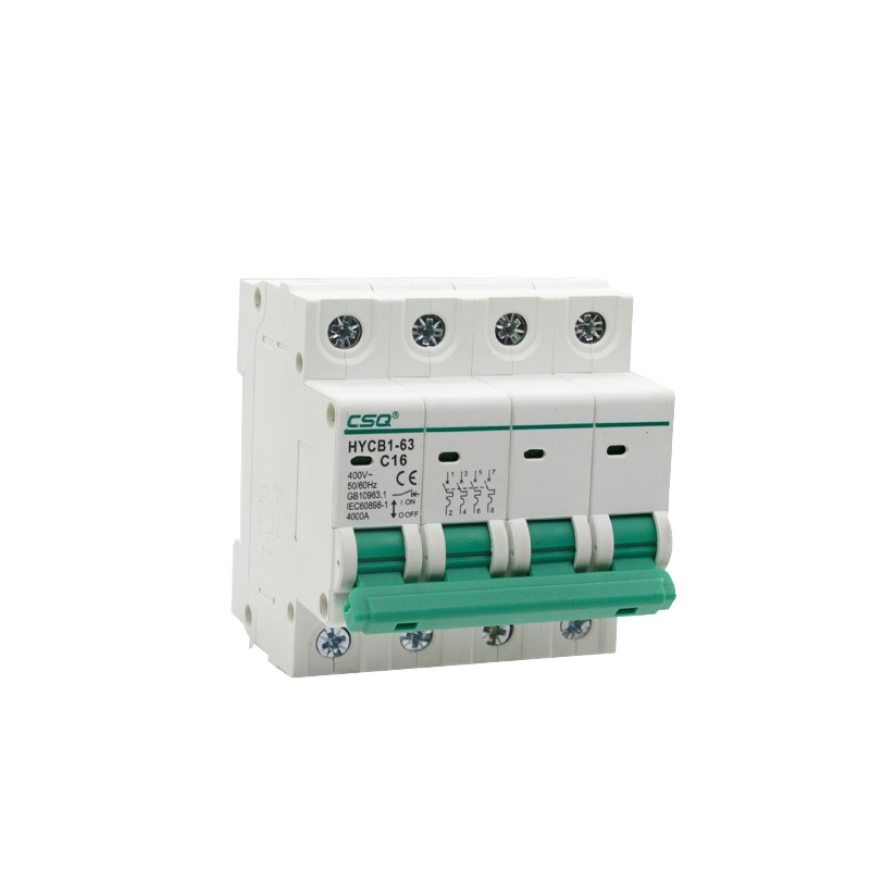
To meet this need, MCBs (Miniature Circuit Breakers) are widely used because they provide accurate, automatic protection while enabling rapid power restoration. Their dependable performance and compact design make them suitable for a broad range of electrical systems where safety and efficiency are equally important.
What Are Miniature Circuit Breakers Designed to Do?
Miniature circuit breakers are protective switching devices that monitor electrical current flowing through a circuit. When the current exceeds a safe level, the breaker disconnects the supply to prevent overheating and damage. This action protects both the wiring and the connected equipment from potential failure.
Unlike older protection methods, miniature circuit breakers are designed for repeated use. After a fault is resolved, the device can be reset manually to restore power without replacing any components. This capability supports faster recovery and reduced maintenance effort.
How MCBs Manage Overcurrent and Short Circuits
The operation of miniature circuit breakers relies on precise internal mechanisms that respond to different fault conditions. These mechanisms are engineered to provide timely and appropriate circuit interruption.
Their protection is achieved through:
- Thermal response that reacts to sustained overloads
- Magnetic response that trips instantly during short circuits
The thermal element responds gradually as current increases, whereas the magnetic element reacts immediately to sudden, high fault currents. Together, these responses ensure comprehensive circuit protection under varying conditions.
Key Electrical Ratings You Should Understand
Every miniature circuit breaker is defined by specific electrical ratings that determine its suitability for a given application. Understanding these ratings helps ensure correct selection and reliable performance.
Important ratings include:
- Rated current indicating the maximum continuous load
- Breaking capacity defining the highest fault current it can safely interrupt
- Tripping characteristic that determines sensitivity to overcurrent
- Rated voltage for compatibility with the electrical system
- Number of poles for circuit configuration
Choosing a breaker with the correct ratings is essential for maintaining both safety and operational stability.
Tripping Characteristics and Their Role in Protection
Miniature circuit breakers are categorized by tripping characteristics, which describe how quickly they respond to overcurrent. This classification allows engineers to match protection behavior to load requirements.
Type B Miniature Circuit Breakers
Type B breakers trip quickly at lower fault currents and are best suited for circuits with minimal surge current.
Common applications include:
- Residential lighting circuits
- Domestic socket outlets
- Low power electronic devices
Type C Miniature Circuit Breakers
Type C breakers tolerate higher inrush currents, making them suitable for mixed load environments.
They are often used in:
- Commercial buildings
- Equipment with moderate startup current
- Control and distribution panels
Type D Miniature Circuit Breakers
Type D breakers are designed for circuits with high inrush currents and delayed tripping characteristics.
They are typically applied in:
- Industrial machinery
- High power motors
- Specialized electrical equipment
Where Miniature Circuit Breakers Are Commonly Used
The adaptability of miniature circuit breakers allows them to be installed across many sectors.
Residential Installations
In homes, miniature circuit breakers protect wiring from overloads caused by appliances, heating systems, and lighting. They also make fault recovery simple by allowing quick reset after tripping.
Commercial Facilities
Commercial environments depend on MCBs to protect office equipment, lighting systems, and building services. Their consistent performance supports uninterrupted daily operations.
Industrial Applications
In industrial settings, miniature circuit breakers are used in auxiliary circuits, automation systems, and control panels where precise and dependable protection is required.
Advantages of Miniature Circuit Breakers in Modern Systems
Miniature circuit breakers offer several advantages that make them the preferred choice for contemporary electrical design.
Key benefits include:
- Resettable operation without part replacement
- Accurate and repeatable tripping performance
- Clear indication of circuit status
- Enhanced safety during maintenance work
- Long service life with minimal upkeep
These advantages contribute to improved reliability and reduced long term operating costs.
Installation Practices That Support Reliable Operation
Correct installation is critical to the effective performance of miniature circuit breakers. Improper selection or installation can compromise protection and create safety risks.
Recommended practices include:
- Matching breaker current rating to circuit load
- Selecting the appropriate tripping characteristic
- Ensuring secure mounting and proper terminal tightening
- Verifying compatibility with system voltage
- Conducting periodic inspection and testing
Following these practices helps ensure consistent protection throughout the system’s lifespan.
How MCBs Contribute to Electrical Safety Standards
Modern electrical standards emphasize controlled fault isolation, fire prevention, and user safety. Miniature circuit breakers are designed to meet these expectations through predictable and reliable operation.
They support safety compliance by:
- Limiting thermal stress on conductors
- Reducing the risk of electrical fires
- Providing consistent fault isolation
- Supporting standardized electrical system design
Their widespread adoption reflects their effectiveness in maintaining safe electrical environments.
Conclusion
Miniature circuit breakers are essential components in modern electrical systems, delivering reliable protection against overloads and short circuits. Their precise operation, ease of reset, and adaptability across residential, commercial, and industrial applications make them indispensable. By understanding how they work, how to select them, and how to install them correctly, electrical systems can be designed to achieve long term safety, efficiency, and dependable performance.

 joddie25