How Beginners Use Demo Accounts to Learn CFD Trading Safely
Learn how to use a demo account for CFD trading. Practice risk-free, see why it’s vital for beginners, and build confidence before investing real money.
 Ethan092
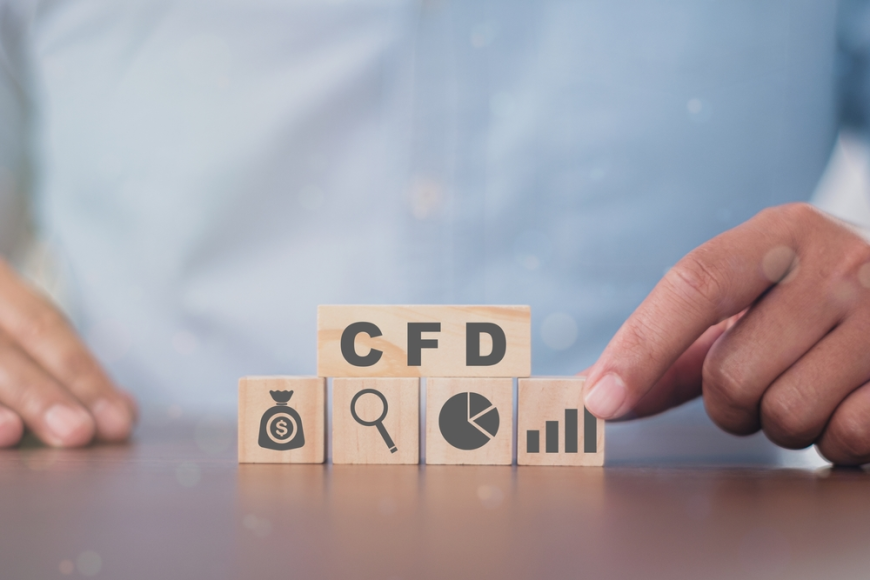
For those who want to step into online trading, Contracts for Difference (CFDs) offer an easy way of speculating in price changes in various markets like forex, stocks, commodities, and indices. As appealing as the hope of profits may be, diving directly into live trading with no preparation is dangerous. And then there are demo accounts. They are not merely a "practice run," they are an invaluable training ground for developing skills, risk education, and confidence-building, at zero risk to your capital.
Why Demo Accounts are Important for New CFD Traders
When you go live with a demo account, you're entering into a practice trading area that replicates the actual market conditions. You'll have live price feeds, employ essential trading tools, and make trades as you would in a live trading account, but the money is pretend. That means you can make mistakes, experiment, and benefit from results without the fear of losing money.
For beginners wanting to know how to start CFD trading, the demo account serves as the entry point. It is the transition from book learning to experience. Rather than reading about it in articles or watching videos, you get to do the trading, a much more hands-on method of learning subtleties like spreads, leverage, margin calls, and market volatility.
Building a Strong Trading Foundation
The demo account provides you with a valuable advantage by exposing you to the concept of what is being traded in forex and how it will impact your trades. You'll also learn how to place stop-loss and take-profit orders, which are essential for risk management.
You'll also begin to appreciate how various markets move. For instance:
• Forex currency pairs may be more volatile at specific global sessions.
· Commodity prices such as gold or oil may respond severely to economic news or geopolitical developments.
· Company announcements and quarterly reports can influence Stock CFDs.
· You may change your trading strategy based on these trends by watching them in a demo account.
Testing the Best Trading Indicators in Forex
Much of CFD trading success is assisted by the utilisation of quality technical indicators. Through the utilisation of a demo account, you can try out the best trading indicators in forex without risk of losses. You can try the following:
• Moving Averages (MA): For determining trends.
• Relative Strength Index (RSI): For determining overbought or oversold market conditions.
• Bollinger Bands: To determine market volatility.
• MACD (Moving Average Convergence Divergence): For trend reversals and momentum.
Building Emotional Discipline
One thing that beginners often underestimate is the psychological aspect of trading. Even in a demo account, you will experience excitement, impatience, and frustration when trades fail to work as you wanted. Practising in such an environment teaches you how to stick to your strategy instead of acting emotionally.
A disciplined approach in a demo account tends to carry over to improved decision-making when you finally go live. You will execute fewer impulsive trades and be more confident with your analysis.
Mastering Risk Management First
Trading CFDs uses leverage, which will enhance profits but amplify losses. Demo accounts allow you to simulate position sizing, stop-loss levels, and risk per trade calculation, all critical for safeguarding your capital.
For instance, if you want to never risk more than 2% of your trading capital on a single trade, you can operate under this rule within a demo account configuration until it feels automatic. You'll be able to witness first-hand how over-leveraging an account can destroy a balance in a matter of trades, a lesson well worth learning without risking real money.
When to Transition from Demo to Live Trading
Though demo trading is priceless, you never have to remain in it indefinitely. Eventually, you must confront the genuine fears of live markets. The move is based on how rapidly you become proficient in:
• Consistently profitable trading outcomes for weeks.
• Becoming comfortable with applying trading instruments and indicators.
• Having a good understanding of your chosen strategy.
How to Start CFD Trading After Demo Practice
Having gained confidence and familiarity with your demo account, the next step is to open a live account with a regulated broker. Just follow the easy way forward:
1. Select a Broker: Find one that has a good trading platform, decent spreads, and learning resources.
2. Select a Market: Decide which market you'll deal with, either forex, stocks, commodities, or a combination.
3. Apply Your Demo Learnings: Stick to the strategies and risk management rules you’ve practised.
4. Start Small: Begin with a modest investment and increase gradually as your confidence grows.
Conclusion
To start, demo accounts are not nearly "practice optional" but rather the latest and most secure means of beginning. They allow you to get acquainted with trading platforms, try out strategies, best trading indicators in forex, and hone discipline without risk using real money.
By the time you're ready to transition into live trading, you'll already know how to start CFD trading confidently, with a good plan, and the discipline to stick with it even in volatile markets. Good traders take their demo session as seriously as live trading, because the routines and skills you develop here will work when real money is on the line.