How Amniotic Membrane Grafts Revolutionize Wound Healing
Explore how amniotic membrane grafts for wounds accelerate healing, reduce inflammation, and minimize scarring. Learn about their applications in chronic wounds, burns, and surgical injuries for improved recovery outcomes.
 Acessobiologics
Chronic wounds, burns, and surgical injuries pose a significant challenge to patients and healthcare providers alike. Traditional treatments often result in slow healing, prolonged discomfort, and sometimes scarring. Enter the amniotic membrane graft for wounds—a groundbreaking solution in regenerative medicine that is transforming wound care.
What Is an Amniotic Membrane Graft?
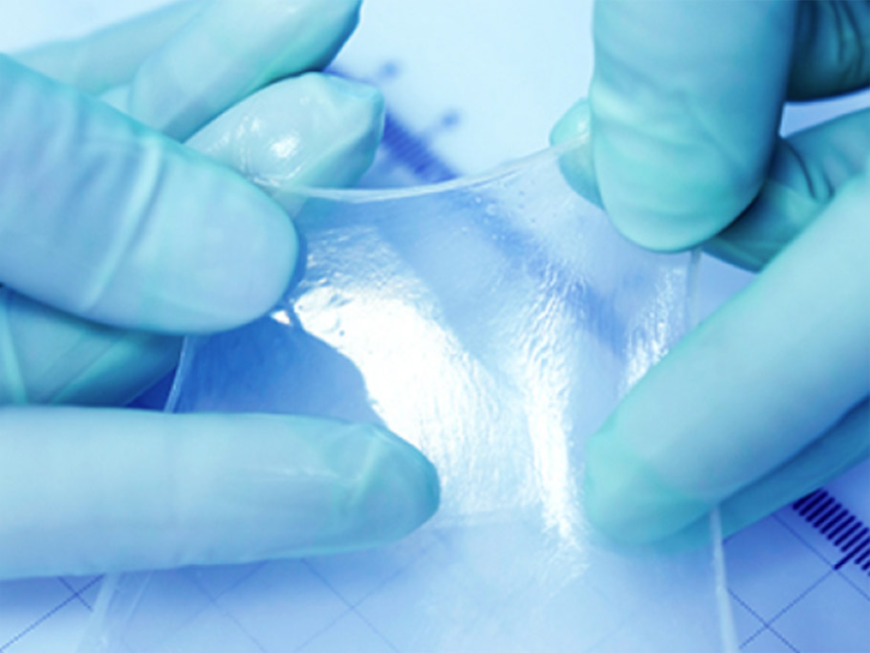
An amniotic membrane graft is a medical product derived from the innermost layer of the placenta, called the amniotic membrane. This tissue is naturally rich in growth factors, cytokines, and extracellular matrix proteins that promote tissue regeneration and repair. Processed and preserved under sterile conditions, amniotic membrane grafts can be applied directly to wounds to accelerate healing and improve recovery outcomes.
Benefits of Using Amniotic Membrane Grafts for Wounds
-
Faster Wound Healing: Amniotic membrane grafts contain bioactive molecules that stimulate cell growth and tissue repair, leading to quicker closure of chronic and acute wounds.
-
Anti-Inflammatory Properties: These grafts help reduce inflammation around the wound site, minimizing pain and discomfort for patients.
-
Reduced Scarring: The natural anti-fibrotic properties of the amniotic membrane help prevent excessive scar formation, promoting smoother skin regeneration.
-
Versatile Application: They can be used for diabetic ulcers, pressure sores, surgical wounds, burns, and other chronic or hard-to-heal injuries.
-
Biocompatible and Safe: As a human-derived tissue, amniotic membrane grafts are highly compatible with the body and carry minimal risk of rejection.
How Amniotic Membrane Grafts Are Applied
Application of an amniotic membrane graft for wounds is straightforward and performed by trained medical professionals:
-
The wound is first cleaned and prepared to remove debris and infection.
-
The graft is then carefully applied to cover the wound entirely.
-
A protective dressing is used to secure the graft in place.
-
Over time, the graft integrates with the patient’s tissue, promoting healing from within.
The frequency of application and type of graft—whether cryopreserved, dehydrated, or processed—depend on the wound type and physician recommendations.
Ideal Candidates for Amniotic Membrane Grafts
Patients with chronic wounds that are slow to heal, such as diabetic foot ulcers, venous leg ulcers, or post-surgical wounds, are often ideal candidates. Additionally, individuals with burns or traumatic skin injuries may benefit significantly from this regenerative therapy.
The Future of Wound Care
The use of amniotic membrane grafts for wounds is gaining recognition in modern medicine for its ability to accelerate healing while reducing complications. As research continues, these grafts are expected to become a standard in wound care management, offering hope to patients who struggle with slow-healing or chronic wounds.
By integrating the natural regenerative properties of the amniotic membrane, healthcare providers can now offer a more effective, safe, and patient-friendly solution for wound management.