Glycolic Acid Toner vs. Retinol: Which Works Better for Anti-Aging?
When it comes to anti-aging skincare, two powerful ingredients often dominate the conversation: glycolic acid and retinol.
 skinfactor
When it comes to anti-aging skincare, two powerful ingredients often dominate the conversation: glycolic acid and retinol. Both have a proven track record of improving skin texture, reducing fine lines, and restoring youthful radiance. But when choosing between glycolic acid toner and retinol, many people wonder: Which one works better for anti-aging?
Let’s break down how each ingredient works, their benefits, and how to decide which is right for you.
What Is Glycolic Acid Toner?
Glycolic acid is an alpha hydroxy acid (AHA) derived from sugarcane. It’s one of the most popular chemical exfoliants in skincare, commonly used in toner form.
How it works for anti-aging:
-
Removes dead skin cells on the surface
-
Stimulates faster cell turnover
-
Improves skin brightness and radiance
-
Minimizes fine lines and uneven texture
-
Boosts the effectiveness of other skincare products by unclogging pores
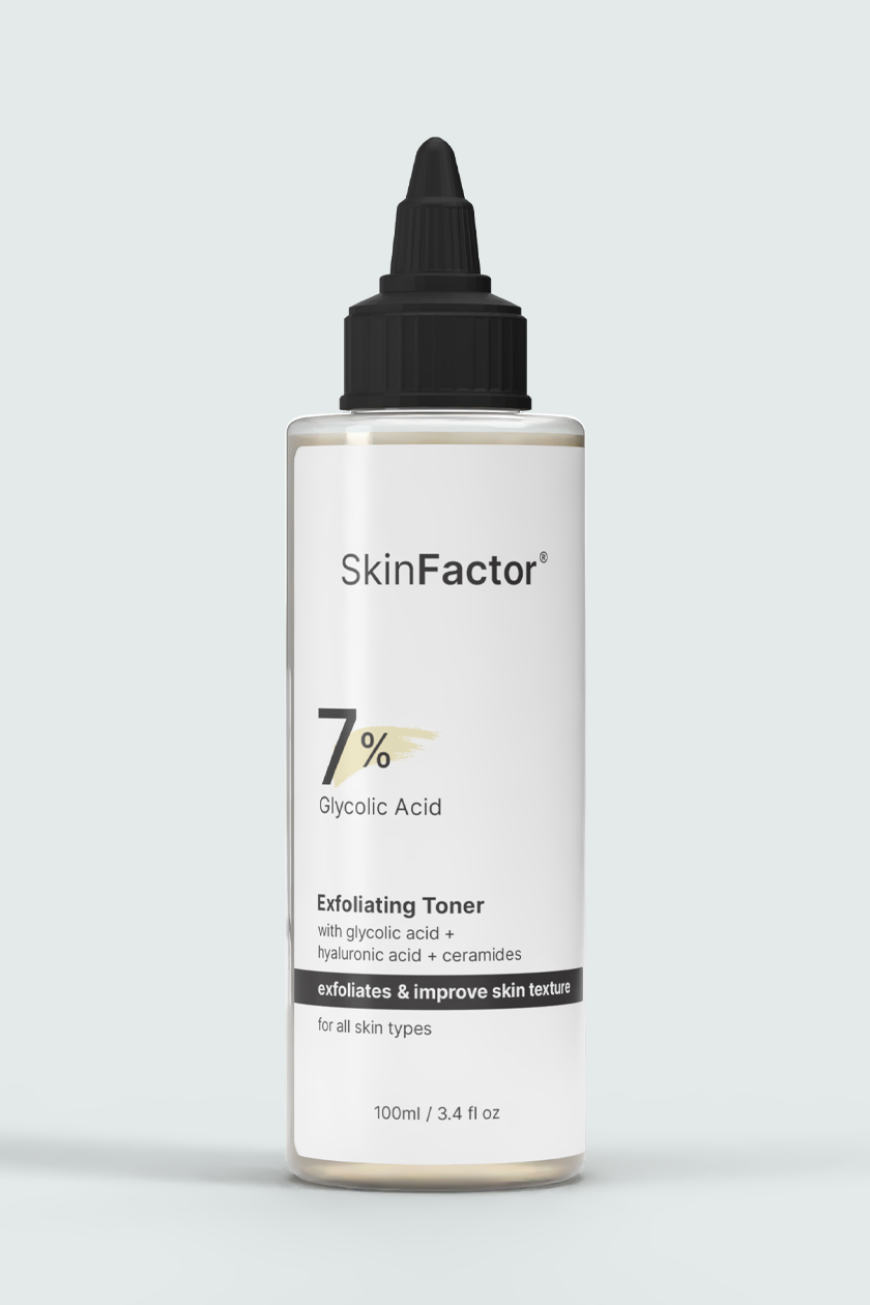
skinfactor glycolic acid toner provides gentle, consistent exfoliation that leaves skin looking smoother and more refreshed.
What Is Retinol?
Retinol is a derivative of vitamin A and is often considered the gold standard for anti-aging skincare. Unlike glycolic acid, which works on the surface, retinol penetrates deeper into the skin.
How it works for anti-aging:
-
Stimulates collagen and elastin production
-
Reduces the appearance of fine lines and wrinkles
-
Improves skin elasticity
-
Minimizes hyperpigmentation and age spots
-
Refines skin texture over time
Retinol works at a cellular level, helping skin behave more “youthfully” by encouraging regeneration.
Glycolic Acid vs. Retinol: Key Differences
| Feature | Glycolic Acid Toner | Retinol |
|---|---|---|
| Action | Exfoliates surface layer of skin | Works deep within the skin |
| Speed of Results | Immediate glow, smoother skin in days | Visible results take 6–12 weeks |
| Best For | Dullness, uneven texture, mild fine lines | Deeper wrinkles, loss of firmness, long-term aging |
| Tolerance | Gentler, suitable for most skin types | May cause irritation, dryness, or peeling |
| Usage | Can be used more often (2–5x weekly) | Typically used 2–3x weekly, then increased gradually |
Which Works Better for Anti-Aging?
The answer depends on your skin needs:
-
For beginners or sensitive skin → Glycolic acid toner is easier to tolerate. It delivers quick results like brightness and smoother texture.
-
For long-term anti-aging benefits → Retinol is unmatched in stimulating collagen and preventing deep wrinkles.
-
For combination benefits → Many dermatologists recommend using both—glycolic acid on some nights and retinol on others—to get maximum anti-aging effects without overwhelming the skin.
Can You Use Glycolic Acid and Retinol Together?
Yes—but not at the same time. Using both in the same routine may cause irritation since they’re both powerful actives. Instead:
-
Use glycolic acid toner on alternate nights from retinol.
-
Always follow with a gentle moisturizer.
-
Apply broad-spectrum sunscreen daily, as both increase sun sensitivity.
Final Takeaway
Both glycolic acid toner and retinol are powerful anti-aging tools—but they work differently. Glycolic acid gives you faster surface results (brightening, smoothness), while retinol provides deeper, long-term changes (collagen boost, wrinkle reduction).
If you’re just starting out, glycolic acid is the safer choice. If you’re ready for long-term commitment and can tolerate stronger actives, retinol is a must-have. For the best of both worlds, alternate between them in your weekly routine.