Gas Grills Buying Guide: How to Choose the Right Model for Your Cooking Style
Find the perfect gas grill for your cooking style, compare burners, BTUs, materials, and features to grill smarter all season long.
 ricartrodrig
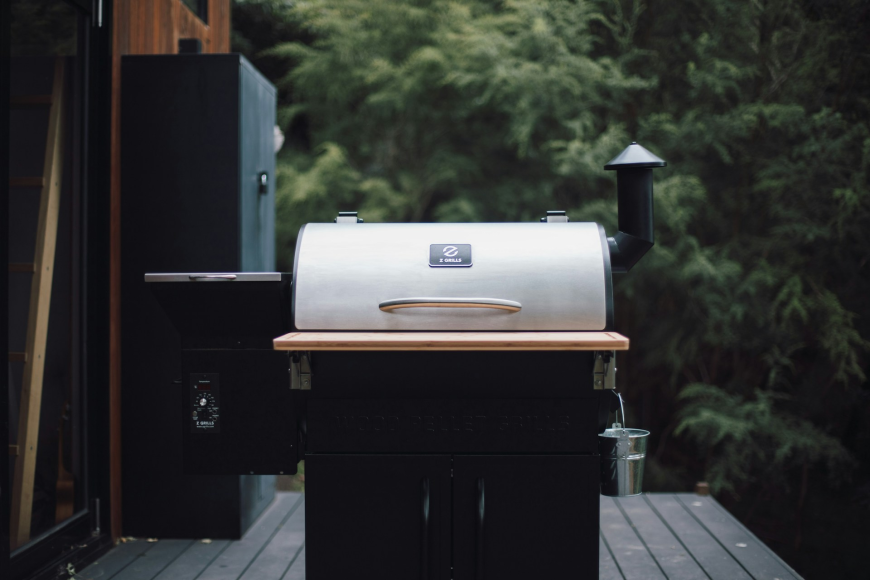
Grilling isn’t just a cooking method; it’s a ritual. Whether you're searing steaks for a weekend gathering or flipping burgers on a quiet Tuesday night, the right grill can elevate your entire outdoor experience. But with so many models, features, and fuel types on the market, choosing the right gas grill can feel overwhelming.
This guide is designed to simplify that decision. We’ll walk through the key factors that influence performance, durability, and ease of use, so you can find a grill that matches your cooking style, space, and budget.
Why Your Cooking Style Matters
Before diving into specs and features of gas grills, start with how you actually cook. Are you a casual griller who sticks to hot dogs and chicken breasts? Or do you experiment with indirect heat, rotisserie kits, and smoked vegetables? Your cooking style will determine which features are essential and which are just nice-to-haves.
For example, someone who grills once a week might prioritize simplicity and fast ignition, while a weekend warrior might want multiple burners, side tables, and a built-in thermometer. Understanding your habits helps narrow the field and avoid overspending on features you won’t use.
What to Look for When Shopping for Gas Grills
Gas Grills are popular for a reason; they offer quick startup, consistent heat, and easy cleanup. But not all gas grills are created equal. Here are the core features to evaluate:
1. Burner Count and Configuration
-
2-burner grills: Compact and efficient, ideal for small patios or balconies.
-
3–4 burners: Offer more control and space for indirect cooking.
-
Infrared burners: Deliver intense heat for searing and restaurant-style results.
More burners mean more flexibility, but also more fuel consumption. Look for models with independently controlled zones so you can cook multiple items at different temperatures.
2. BTU Rating
British Thermal Units (BTUs) measure heat output. While higher BTUs suggest more power, efficiency matters too. A well-designed grill with moderate BTUs can outperform a poorly insulated one with high output.
Aim for a BTU range of 75–100 BTUs per square inch of cooking surface. Anything higher may be overkill unless you're cooking for large groups regularly.
3. Cooking Surface Area
Measured in square inches, this determines how much food you can cook at once.
-
300–400 sq in: Good for couples or small families.
-
500–700 sq in: Ideal for entertaining or batch cooking.
-
700+ sq in: Best for large gatherings or commercial use.
Also consider warming racks, side burners, and rotisserie attachments if you like to multitask.
Build Quality and Materials
Durability is key—especially in humid or coastal climates like Caracas. Look for:
-
Stainless steel: Resists rust and corrosion, especially for burners and grates.
-
Porcelain-coated cast iron: Retains heat well and is easy to clean.
-
Aluminum fireboxes: Lightweight and rust-resistant.
Avoid thin metal or plastic components that warp over time. Check welds, hinges, and lid seals for sturdiness.
Ignition System
Reliable ignition saves time and frustration. Common types include:
-
Push-button piezo ignition: Simple and effective.
-
Electronic ignition: Battery-powered, often more consistent.
-
Hot surface ignition: Found in premium models, heats up quickly.
Test the ignition system if possible, and read reviews for reliability. A faulty starter can ruin the grilling experience.
Ease of Cleaning
Grilling is fun, cleaning isn’t. Look for features that simplify maintenance:
-
Grease management systems: Channels and trays that collect drippings.
-
Removable grates and burners: Easier to scrub and soak.
-
Non-stick surfaces: Reduce buildup and scrubbing time.
Regular cleaning extends the life of your grill and improves performance. Choose a model that makes it easy.
Extra Features Worth Considering
Depending on your budget and cooking style, these extras can enhance your experience:
-
Side burners: Great for sauces or sautéing veggies.
-
Rotisserie kits: Perfect for whole chickens or roasts.
-
Built-in thermometers: Monitor heat without lifting the lid.
-
Storage cabinets: Keep tools and propane tanks organized.
-
LED lighting: Useful for evening grilling sessions.
Don’t get distracted by flashy features, prioritize what you’ll actually use.
Matching Your Grill to Your Space
Size and layout matter. Measure your outdoor area and consider:
-
Clearance: Leave space around the grill for safety and airflow.
-
Mobility: Wheels or casters for easy repositioning.
-
Cover options: Protect your investment from rain and sun.
If you live in an apartment or condo, check local regulations for gas grill use. Some buildings restrict propane tanks or open flames.
Budget and Value
Gas grills range from $150 to $2,000+. Here’s a rough breakdown:
-
Entry-level ($150–$300): Basic features, smaller cooking area, good for beginners.
-
Mid-range ($300–$700): More burners, better materials, added convenience.
-
Premium ($700+): High-end finishes, advanced features, longer warranties.
Don’t just chase price, look for value. A well-built mid-range grill often outperforms flashy models with poor construction.
What to Ask Before You Buy
Before committing, ask:
-
What’s the warranty coverage?
-
Are replacement parts available?
-
Does it come pre-assembled or require setup?
-
Is customer support responsive?
Also read user reviews, especially about ignition reliability, heat distribution, and long-term durability.
Maintenance Tips for Longevity
To keep your gas grill performing like new:
-
Clean grates after each use.
-
Empty grease trays regularly.
-
Cover the grill when not in use.
-
Inspect burners and hoses annually.
-
Store propane tanks safely.
A little upkeep goes a long way, protecting your investment and ensuring safe, delicious results.
Final Thoughts: Grill Smarter, Not Harder
Choosing the right gas grill isn’t about chasing the biggest model or the most features; it’s about finding a tool that fits your cooking style, space, and lifestyle. Whether you're a weekend griller or a daily flame master, the right grill makes every meal more enjoyable.
By focusing on burner configuration, build quality, and ease of use, you’ll end up with a grill that delivers consistent results and lasts for years. So fire it up, flip with confidence, and let your grill become the centerpiece of your summer.