From Hairballs to Healthy Coat: Home Grooming Routines That Reduce Hairballs for Dubai Cats
Reduce cat hairballs with simple, effective home grooming routines tailored for Dubai: brushing, bathing, diet and seasonal care for a healthier coat.
 dapperwhiskers
Introduction
If you’re searching for a cat grooming home service Dubai, the good news is many hairball issues are preventable with consistent care at home. In hot, dry climates like Dubai, cats shed seasonally and indoor pets may swallow more fur during self-grooming. This guide explains practical, low-stress routines you can do at home to cut down on hairballs and keep your cat’s coat healthy.
Understanding Hairballs
What Are Hairballs?
Hairballs (trichobezoars) are compacted clumps of fur that collect in a cat’s stomach after grooming. Most are regurgitated, but frequent or large hairballs can indicate excess hair ingestion or digestive trouble.
Why Hairballs Happen More in Some Cats
Factors that increase hairball formation include heavy shedding, long or dense coats, excessive self-grooming due to stress or skin irritation, and insufficient dietary fiber or hydration.
How Home Grooming Helps Prevent Hairballs
Removing Loose Fur Before It Is Swallowed
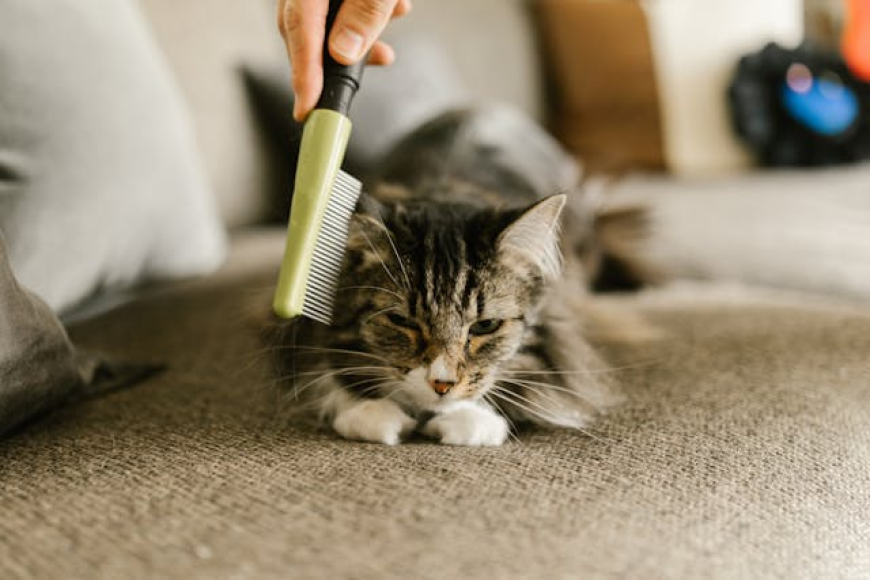
Regular brushing reduces the amount of loose hair a cat can ingest during self-grooming. Less loose fur means fewer hairballs.
Promoting Healthy Skin and Coat
Brushing distributes natural oils and removes dead hair, which strengthens the coat and lowers breakage that becomes household fur.
Essential Tools for Home Grooming
-
Soft-bristle or slicker brush: Gentle on skin, effective for most short- and medium-haired cats.
-
Deshedding comb: Helpful for long-haired breeds to reach the undercoat.
-
Grooming glove: Ideal for anxious cats—allows grooming while petting.
-
Microfiber cloth or grooming wipes: For quick removal of loose hairs after brushing.
A Professional, Low‑Stress Grooming Routine (Step‑by‑Step)
Step 1 — Prepare a Calm Environment
Choose a quiet, familiar spot with good lighting. Keep sessions short at first—three to five minutes—and gradually extend as your cat relaxes.
Step 2 — Begin with Gentle Strokes
Start at the head and move along the body using slow, confident strokes. Use a grooming glove if your cat prefers being petted to brushing.
Step 3 — Focus on High‑Shedding Zones
Spend extra care behind the ears, under the legs, and around the belly where mats and loose hair form most often. Work tangles gently with a deshedding comb.
Step 4 — Finish with a Damp Wipe
Lightly wipe the coat with a damp microfiber cloth to catch any remaining loose hairs and leave the fur smooth.
Frequency Guidelines
-
Short-haired cats: Brush 2–3 times weekly.
-
Long-haired cats: Daily or every other day during heavy shedding.
-
All cats: Add a brief daily grooming “pet session” to reduce stress and maintain coat health.
Bathing: When and How
When to Bathe
Most cats don’t require frequent baths, but an occasional bath during peak shedding seasons can help remove excess fur and oil buildup.
Choosing a Gentle Approach
Use a mild, cat-formulated shampoo and lukewarm water. Keep sessions calm, and towel-dry thoroughly to prevent chills.
Dietary and Lifestyle Support
Increase Hydration
Adequate water intake helps move ingested hair through the digestive tract. Offer fresh water or consider wet food to boost hydration.
Add Gentle Fiber Support
High‑fiber diets or vet-recommended hairball formulations can assist in passing fur naturally.
Reduce Stress
Environmental enrichment and play reduce over-grooming driven by boredom or anxiety, thereby cutting hair ingestion.
Seasonal Considerations for Dubai
Summer Shedding
During warmer months, increase grooming frequency and maintain a cool indoor climate to reduce shedding stress.
Managing Humidity
Humidity can cause clumping. Regular brushing and keeping indoor humidity stable help prevent mats and tangles.
Signs You Should Consult a Professional or Vet
-
Recurrent or large hairballs more than twice a month
-
Appetite loss, lethargy, or signs of discomfort
-
Severe matting that cannot be removed at home
Choosing a Home Grooming Service
If home grooming becomes difficult—due to long coats, a nervous cat, or owner constraints—consider engaging a professional home grooming service. Pros bring the right tools, techniques and calm handling directly to your home, minimizing stress for your cat.
Conclusion
The best first line of treatment for hairballs is a regular, gentle at-home grooming regimen. Combining proper tools, seasonal adjustments, dietary support and short, calm grooming sessions will keep your cat’s coat healthy and reduce hairball incidents. When extra help is needed, a professional service can step in to provide specialist care. For an option that brings expert care to your doorstep, consider Dapper Whiskers’ mobile dog grooming service in Dubai, which also offers tailored feline support when required.