From Hair Clips to Handbags: How to Diversify Your Fashion Accessories Portfolio
Discover practical ways to expand your fashion accessories lineup with this complete guide for retailers—covering categories, trends, and inventory tips.
 freyaparker
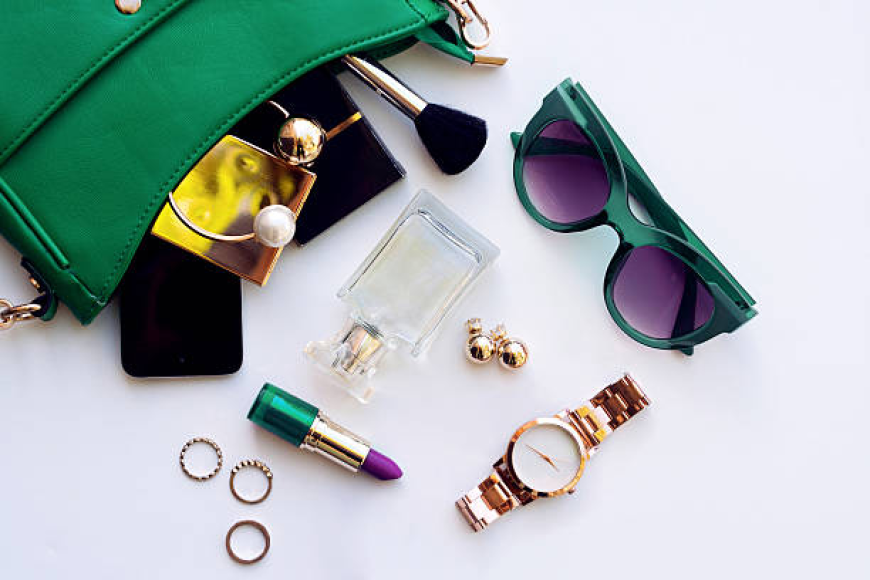
Why Portfolio Diversity Matters in Fashion Accessories
If you’re in the fashion accessories game, you already know how fast trends come and go. What’s hot today can feel outdated tomorrow. So, how do you stay ahead of the curve and keep customers coming back? It starts with diversity. Building a well-rounded fashion accessories portfolio isn’t just smart—it’s essential. Whether you're supplying boutiques, online retailers, or gift shops, variety helps you capture more market share and reduce seasonal slumps.
Understanding the Core Categories in Accessories
Fashion accessories aren’t one-size-fits-all—far from it. Each subcategory brings its own audience, price point, and profit margin. A strong portfolio touches multiple bases.
Some essential categories to consider include:
-
Hair accessories (clips, bands, scrunchies, barrettes)
-
Bags and purses (totes, clutches, crossbodies)
-
Jewelry (earrings, necklaces, rings, bracelets)
-
Sunglasses and eyewear
-
Belts and scarves
Starting with the basics helps lay a foundation. Once you're solid there, you can expand into niche or seasonal items.
Start Small, Think Big
Many businesses hesitate to expand their product range due to inventory risk. But here’s the truth—diversification doesn’t have to mean overstocking. The goal is to test and evolve.
Begin by introducing a limited quantity of new products in a new category. Watch how your customers react. Are they adding these items to their carts? Are they returning for more? This data becomes your map.
Hair Accessories: Tiny Products, Big Opportunities
Hair accessories are often underestimated. They’re small, low-cost, and easy to bundle—but don’t be fooled. They’re also high-margin and trend-sensitive.
Styles like oversized scrunchies, pearl barrettes, and Y2K-inspired clips are flying off shelves. And the best part? They appeal to a wide demographic, from teens to moms to salon owners. If you’re not stocking these yet, you’re missing out.
Adding Handbags: Where Function Meets Fashion
Handbags are often the anchor of a fashion accessories collection. They command higher price points and serve both practical and stylistic purposes.
Start with staple silhouettes like:
-
Neutral-tone tote bags
-
Compact crossbody purses
-
Weekend-ready duffels
Over time, introduce statement designs based on seasonal color trends, textures (like faux fur or metallic), and functionality (extra pockets, detachable straps, etc.). Handbags also allow for strong upselling opportunities, especially when merchandised alongside jewelry or scarves.
Pay Attention to Color Palettes and Seasonal Trends
Ever wonder why a dusty rose scrunchie sells out in spring while the same style in forest green doesn't move? It’s all about seasonality.
Fashion thrives on timely relevance. When diversifying your accessory line, align your choices with:
-
Seasonal color palettes (pastels in spring, earth tones in autumn)
-
Trending patterns (animal print, gingham, florals)
-
Material shifts (light fabrics in summer, knits and leather in winter)
This keeps your collection feeling fresh and in sync with customer expectations.
Don’t Forget the Add-Ons: Upselling Through Styling
Accessories naturally lend themselves to bundling. That’s part of what makes them so profitable. The key is learning how to pair and present.
Smart upselling ideas include:
-
Matching scrunchies with handbags
-
Pairing scarves with sunglasses
-
Jewelry sets that coordinate with specific bag designs
Bundle deals not only improve AOV (average order value) but also enhance your store's styling credibility.
Testing New Styles Without Overcommitting
One major advantage of working with fashion accessories is the low unit cost. This makes it easier to test emerging trends without over-investing. Want to try jelly bags or chunky plastic rings? Order small batches and use them to gauge interest.
Track which products drive engagement on your online store or social media. Don’t just rely on sales—watch add-to-cart rates, click-throughs, and feedback. The most successful accessory lines aren’t just trendy—they’re data-backed.
Replenishment vs. Rotation: Balancing Stock Smartly
Every accessory category behaves differently. Some items are evergreen, like basic totes and gold hoops. Others are seasonal flashes—here today, gone tomorrow.
Your portfolio needs both:
-
Replenishment items: Steady sellers with consistent demand
-
Rotational items: Trend-based products that create buzz
By managing these two streams, you avoid being stuck with dead stock while always keeping your offering exciting.
The Power of Niche Accessories
There’s beauty in the small stuff. Sometimes, it’s not the flashy bestseller that drives your growth—it’s the clever niche. Think enamel pins, minimalist anklets, novelty keychains, or custom phone grips. These “small thrills” often enjoy passionate followings and repeat buyers.
Introduce niche items one at a time. Market them with stories or aesthetics. If something clicks, expand that category further.
Visual Merchandising: Sell the Story, Not Just the Product
Retailers who sell accessories online or in-store need to go beyond listing photos. Accessories are emotional buys. Customers want to see the vibe, not just the item.
Tips for visual merchandising:
-
Use mood boards or lookbooks to showcase products
-
Style accessories together in flat lays or model shoots
-
Highlight themes (e.g., “Parisian Picnic” or “Festival Essentials”)
Your portfolio becomes more than inventory—it becomes inspiration.
Conclusion: A Well-Diversified Accessory Line Is Your Growth Engine
Whether you're expanding from jewelry into bags or starting fresh with hair accessories, a diverse accessory portfolio means more ways to serve your customers and stand out. You don’t need to overwhelm your shelves—but you do need to evolve with demand.
With the right mix of basics, trend-driven items, and smart merchandising, your accessory range can go from predictable to powerful. So go ahead—test something new. From hair clips to handbags, every product tells a part of your brand’s bigger story.
Elevate your inventory with trend-driven wholesale fashion jewelry—exclusively sourced and curated by Thokmandee for retailers who want to stand out.
FAQs
1. How often should I update my fashion accessories collection?
Aim for seasonal updates at a minimum. Every quarter, review your sales data and introduce a few new items based on current trends.
2. Are hair accessories really profitable for retailers?
Yes, due to their low cost and high margins. They’re easy impulse buys and perform well both online and in-store.
3. What's the best way to test a new accessory category?
Start small. Order limited quantities, track sales and engagement, and use customer feedback to guide expansion.
4. How do I avoid overstocking trend-based items?
Balance your inventory. Keep core items in steady supply and limit trend-led products to smaller, testable runs.
5. Can accessories increase average order value?
Absolutely. Bundle products or use styling suggestions to encourage multiple purchases per transaction.