From Design to Reality: How a Digitizer Transfers Your Vision to Fabric
Discover the fascinating journey of how a digitizer embroidery service transforms your digital design into a tangible, stitched masterpiece on fabric
 absolutedigitizing1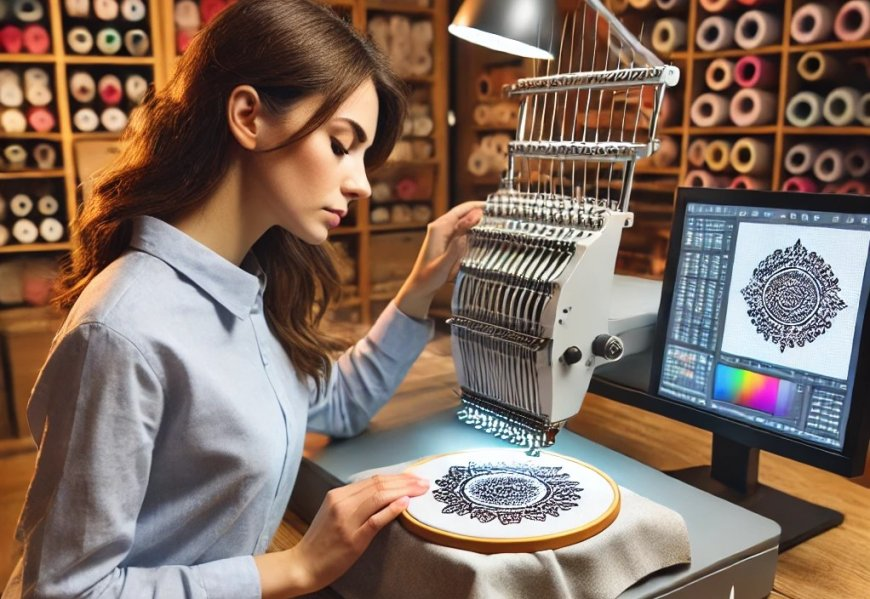
Introduction
You have a vision. It might be a company logo, a piece of custom artwork, or a graphic that’s deeply personal to you. On a screen, it looks perfect. But how does it make the leap from pixels on a monitor to textured thread on a cap, polo shirt, or bag? This crucial translation is the domain of a specialized craft that blends art with engineering. This is the work of a professional Digitizer Embroidery Service. A digitizer acts as a vital bridge, interpreting your two-dimensional image and reimagining it for the unique language of embroidery. They don't just convert your file; they engineer a set of instructions that guides an embroidery machine to recreate your vision with stunning accuracy and texture. This process is what transforms a great idea into a wearable, lasting reality. Let's walk through the fascinating steps a digitizer takes to bring your design to life.
The First Conversation: Understanding the Blueprint
The process never begins with software; it starts with a conversation. A skilled digitizer knows that context is everything. They aren't just working with an image; they are working to fulfill a specific purpose for your project.
Before creating a single stitch point, a professional will seek to understand:
-
The Final Fabric: Will this design be stitched on a stiff canvas hat, a stretchy performance jersey, or a delicate dress shirt? The fabric type dictates every technical decision that follows.
-
The Desired Size: A design that looks good at four inches wide may lose all detail at one inch. The target size determines how much simplification is needed.
-
The End Use: Is this for a corporate uniform that needs to look formal and crisp, or for a casual team shirt where comfort is key? The purpose influences the choice of stitch types and density.
This initial consultation ensures the digitizer is building the right blueprint for your specific needs, preventing costly mistakes like puckering or lost detail down the line.
The Translation Phase: From Pixels to Stitch Types
Your digital image is made of pixels—tiny squares of color. An embroidery machine, however, understands only one thing: commands. The digitizer’s primary task is to translate the language of pixels into the language of stitches.
This involves making artistic decisions about how to best represent each part of your design using three fundamental stitch types:
-
Run Stitches: These are single lines of stitching. The digitizer uses them for fine details, delicate outlines, and small text. Think of the fine lines that make up a signature or the whiskers on an animal.
-
Satin Stitches: These are columns of zig-zag stitches that create a smooth, shiny, and raised effect. They are perfect for borders, lettering, and any element that needs a clean, defined look.
-
Fill Stitches: These are complex patterns of stitches that run back and forth to cover large areas. A digitizer doesn't just use them to fill space; they manipulate the angle and direction of these stitches to create texture, depth, and the illusion of movement, much like an artist using brush strokes.
A digitizer meticulously analyzes your design, deciding which element becomes a satin stitch, which becomes a fill, and where a run stitch is necessary for clarity. This is where art meets technique.
The Engineering Phase: Building a Stable Structure
If the translation phase is the art, the engineering phase is the science. This is what separates a simple tracing from a professionally crafted embroidery file. A digitizer must account for the physics of thread and fabric to ensure the design stitches out flawlessly.
The Critical Role of Underlay:
Before a single top stitch is laid down, a digitizer constructs an underlay. This is the hidden foundation of the entire design. It consists of a series of stitches placed underneath the top stitches. The underlay has several crucial jobs:
-
It stabilizes the fabric, preventing it from puckering under the tension of the top stitches.
-
It pushes away the nap on fabrics like towels or fleece, creating a smooth surface for the top stitches.
-
It provides a base that helps the top stitches "stand up," creating a cleaner, more defined appearance.
Skipping the underlay is like building a house without a foundation—it might look okay at first, but it will quickly warp and fail.
Planning the Stitch Path:
A digitizer also acts as a logistics manager. They plan the exact sequence in which the machine will stitch the design. They group all areas of the same color together to minimize the number of times the machine has to trim the thread and jump to a new location. This intelligent pathing saves a significant amount of thread and time, and it creates a much cleaner backer on the finished product.
Pull Compensation:
This is a subtle but brilliant adjustment. When a needle pulls thread through fabric, it naturally pulls the design slightly out of shape. A digitizer proactively compensates for this by digitally widening satin columns and adjusting fill areas. This ensures that circles stitch out as perfect circles, not ovals, and that all elements align perfectly.
The Quality Assurance: The Test Stitch
No professional digitizer considers a job complete until the file has been physically validated. This is the moment of truth. The digitizer will load the file onto an embroidery machine and stitch it out on a scrap of the target fabric.
They watch the process carefully, looking for:
-
Puckering: Is the fabric distorting?
-
Registration: Are all the design elements aligning perfectly?
-
Thread Breaks: Is the density too high in certain areas?
-
Overall Appearance: Does the stitched design match the original vision?
This test stitch is the ultimate quality check. Based on the results, the digitizer returns to the software to make micro-adjustments—tweaking the density here, refining the underlay there. This iterative process guarantees that the file you receive is not just theoretically sound, but proven to work perfectly in the real world.
The Final Handoff: Your Blueprint for Success
The delivered file—whether it's a PES, DST, EXP, or another format—is the culmination of this entire process. It is not merely a converted image. It is a sophisticated, engineered blueprint that contains:
-
The precise coordinates for every needle drop.
-
The sequence for every color change and thread trim.
-
All the stabilizing underlay commands.
-
The optimized stitch path for efficiency.
When you load this file onto your machine, you are not loading a picture. You are loading a set of perfect, proven instructions. You can hit "start" with the confidence that your vision will become a reality, stitch by perfect stitch.
Conclusion: More Than a Service, A Partnership
The journey from a digital design to embroidered reality is a fascinating blend of artistic interpretation and technical precision. A professional Digitizer Embroidery Service does far more than change a file format. They are your partner in creation, taking the essence of your vision and re-engineering it for a new, tactile medium.
They ensure that your logo has the impact it deserves, that your artwork retains its soul, and that your custom creation is built to last. By understanding and leveraging this critical service, you empower yourself to bring any idea to life on fabric. So, the next time you have a design you're passionate about, remember the intricate process that turns it into a wearable work of art. Trust a digitizer to build the bridge from your screen to the stitch, and watch your vision become a tangible reality.