
Fire Safety Regulations in Rental Properties: What Landlords and Property Managers Must Know
 nolettinggo
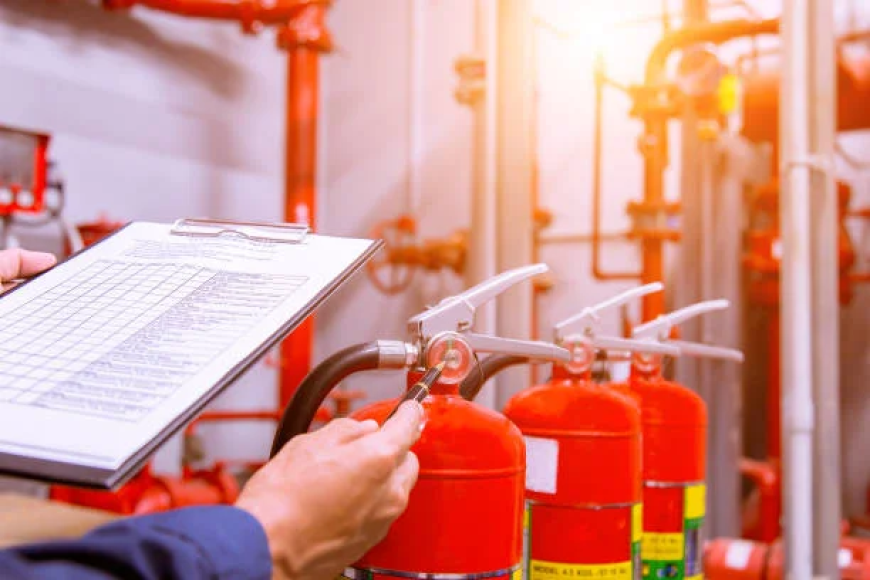
Fire safety is critical for anyone managing rental properties, from individual landlords to estate and block managers. With legislation evolving and the risks of non-compliance potentially catastrophic, understanding and meeting fire safety regulations is more important than ever.
At No Letting Go, we offer comprehensive fire safety inspections as part of our property reporting services. Although we don’t undertake maintenance or repairs, our function is to inspect, record, and report on fire safety compliance — assisting landlords and property professionals in maintaining legal requirements and ensuring tenants are safe.
This handbook categorises which fire safety regulation applies to the UK‘s rental sector, who is liable, and how frequent inspections can aid compliance.
Why Fire Safety Matters in the Rental Sector
Fire is one of the most significant hazards facing tenants in rented accommodation. Malfunctioning fire doors, missing alarms, and obstructed means of escape can all lead to avoidable injury or death. For landlords and managing agents, non-compliance can result in drastic financial and legal penalties, including fines, prosecutions, and damage to reputation.
By adhering to fire safety legislation and conducting regular inspections, property managers can demonstrate due diligence, ensure residents’ safety, and fulfil their legal obligations.
Key Fire Safety Legislation for Rental Properties
Several laws and regulations provide the context for fire safety in the private rented sector and block management. The most significant ones are:
The Housing Act 2004
Introduced the Housing Health and Safety Rating System (HHSRS), which lists fire hazards as one of the 29 hazards landlords need to manage.
The Smoke and Carbon Monoxide Alarm (England) Regulations 2015 (amended 2022)
It makes provision for a minimum of one smoke alarm per floor that is used as living accommodation and a carbon monoxide alarm in any room with a solid fuel appliance or gas boiler.
The Fire Safety Order 2005 (Regulatory Reform Order)
It applies to communal spaces in blocks of flats and HMOs. Responsible individuals (landlords, agents, or managing agents) must conduct a fire risk assessment and implement measures to minimize fire risks.
The Fire Safety (England) Regulations 2022
Enforced since 23 January 2023, bringing with it new duties for maintaining fire doors and fire safety systems in multi-occupied residential buildings above 11 metres in height.
read more:- https://indibloghub.com/post/fire-safety-regulations-in-rental-properties-what-landlords-and-property-managers-must-know