Exploring the World of Non Alcoholic Wines | Taste and Lifestyle
Non Alcoholic Wines
 aleafproducts
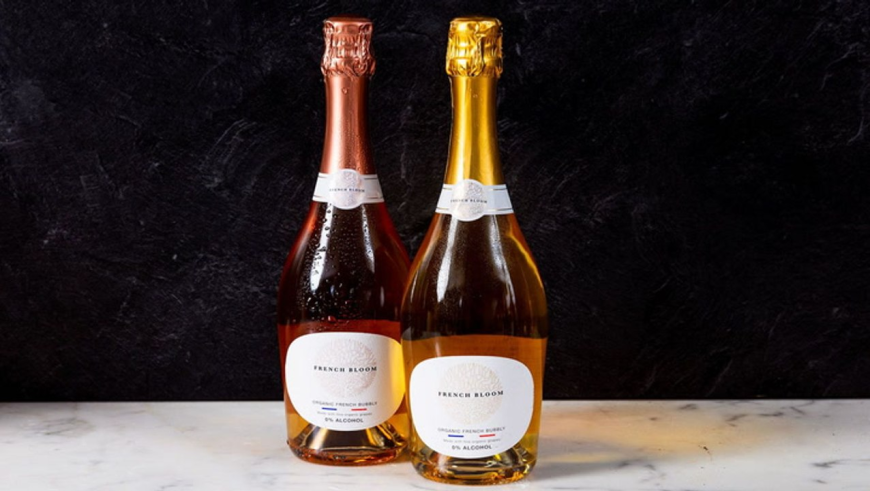
Over the last few years, the demand for Non Alcoholic Wines has grown rapidly among people who seek sophistication without the buzz. Whether it’s for health, personal preference, or lifestyle reasons, this modern beverage alternative offers all the charm and elegance of traditional wine — minus the alcohol content. Crafted with the same care and grapes as regular wines, they allow wine enthusiasts to enjoy aroma, texture, and flavor without compromise.
What Are Non Alcoholic Wines?
Non Alcoholic Wines are made using the same fermentation process as traditional wine. However, after fermentation, the alcohol is carefully removed through processes like vacuum distillation or reverse osmosis. These techniques preserve the authentic taste and aromatic profile while keeping the alcohol level below 0.5%.
This ensures that you can still experience the smooth texture and complexity of a classic wine but without the intoxicating effects. As a result, they’re becoming increasingly popular among individuals who want to socialize responsibly or enjoy a refined drink at any time of day.
The Growing Popularity of Alcohol-Free Alternatives
The rise of mindful drinking and wellness culture has fueled interest in alcohol-free options. Consumers are now more health-conscious than ever, prioritizing products that align with their fitness goals and mental clarity. Non Alcoholic Wines fit perfectly into this movement, providing a balance between indulgence and wellness.
Restaurants, bars, and online stores have also embraced this trend, offering premium selections that cater to different palates — from fruity reds and crisp whites to sparkling varieties for celebrations. This accessibility has helped normalize non-alcoholic options as a stylish and sophisticated choice rather than a compromise.
Health Benefits and Lifestyle Advantages
Choosing Non Alcoholic Wines doesn’t just reduce alcohol intake; it also brings a range of health and lifestyle benefits. For instance, they typically contain fewer calories, which can support weight management and overall well-being. Since these wines don’t have alcohol, they eliminate the risk of hangovers, dehydration, or sleep disruption that alcohol often causes.
Moreover, individuals with certain medical conditions, expecting mothers, or those taking medication can enjoy wine without concern. These beverages promote a healthier relationship with social drinking — one that emphasizes enjoyment, taste, and wellness over excess.
How Non Alcoholic Wines Are Made
The craftsmanship behind these beverages is both artistic and scientific. Traditional winemaking methods — harvesting, fermenting, and aging — are followed until the final stage, when alcohol is extracted.
-
Vacuum Distillation: This method removes alcohol at lower temperatures, preserving delicate aromas.
-
Reverse Osmosis: A filtration process that separates alcohol molecules without disturbing the wine’s flavor.
-
Spinning Cone Column: A high-tech approach that captures and reintroduces aroma compounds after removing alcohol.
These methods ensure that the finished product tastes authentic, offering a sensory experience nearly identical to its alcoholic counterpart.
Best Occasions to Enjoy Non Alcoholic Wines
Non-alcoholic options have transformed how people celebrate and socialize. They are ideal for business dinners, family gatherings, and health-focused events. Many people also enjoy them at home with meals or during relaxation time, savoring the aroma and texture just as they would with traditional wine.
Sparkling varieties are excellent for toasts, while reds pair beautifully with rich dishes, and whites complement lighter fare like seafood and salads. The versatility of Non Alcoholic Wines ensures that every occasion can feel special and inclusive.
Taste Profiles and Pairing Tips
Just like traditional wines, non-alcoholic versions come in different styles — each suited for unique preferences and food pairings.
-
Red Wines: Often full-bodied and rich with notes of cherry, plum, and oak, pairing well with meat and pasta.
-
White Wines: Crisp and refreshing, great with fish, salads, and light appetizers.
-
Rosé Wines: Balanced sweetness and acidity, perfect for outdoor gatherings or brunch.
-
Sparkling Wines: Effervescent and festive, ideal for celebrations and desserts.
To enhance flavor, serve them slightly chilled, depending on the type. A well-paired meal can elevate the entire experience.
Why Choose Non Alcoholic Wines?
Choosing these wines is not just about avoiding alcohol — it’s about embracing balance and control. They provide the same sense of sophistication, social connection, and ritual that wine lovers appreciate. For people leading active lifestyles or seeking mindfulness, they offer a guilt-free indulgence that aligns with modern wellness goals.
Additionally, they allow inclusive gatherings where everyone can participate, regardless of personal or health-related restrictions. As production techniques evolve, the quality and variety of these wines continue to improve, rivaling traditional labels in both flavor and presentation.
Where to Buy Non Alcoholic Wines
You can now find these wines easily at major retailers, online stores, and specialty shops. Many brands focus exclusively on premium alcohol-free beverages, offering curated collections of reds, whites, and sparkling varieties. Online shopping provides convenience, allowing customers to compare reviews, explore flavor notes, and select based on preferences.
Subscription boxes and wine clubs have also introduced alcohol-free options, bringing curated bottles straight to your doorstep. Whether you’re a wine connoisseur or a beginner, there’s a perfect bottle for every taste and occasion.
Conclusion
Non Alcoholic Wines have redefined how we experience fine beverages. They capture the elegance, aroma, and depth of traditional wine while promoting a balanced, health-conscious lifestyle. Perfect for any occasion, they allow people to celebrate, unwind, and socialize without compromise.
As the world continues to embrace wellness and inclusivity, these wines represent more than just an alternative — they symbolize the future of refined, mindful drinking. Whether you’re raising a glass to health, celebration, or relaxation, non-alcoholic options ensure every sip is both sophisticated and satisfying.