Exploring the Hidden Factors That Impact Electric Motor Lifespan in Industrial Setups
Exploring the Hidden Factors That Impact Electric Motor Lifespan in Industrial Setups
 danielgroup
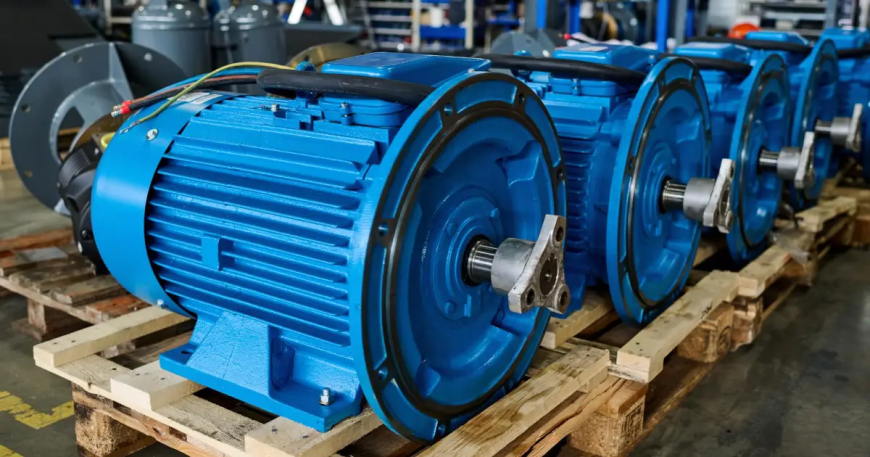
Electric motors are at the heart of modern industry, driving pumps, compressors, conveyors, and countless other machines that keep operations moving. Yet, while motors are designed to deliver years of service, their actual lifespan often depends less on the manufacturer’s promise and more on the environment, operating conditions, and maintenance practices applied in real-world setups.
In industrial sectors such as oil and gas, marine, utilities, and manufacturing, understanding the hidden factors that affect the electric motor lifespan is critical. Unplanned downtime can disrupt entire facilities, leading to losses in productivity, missed deadlines, and safety risks. By recognizing the forces that shorten motor life expectancy and applying practical strategies to counter them, businesses can maximize both performance and reliability.
Understanding the Electric Motor Life Cycle
Every motor has a predictable life cycle:
-
Installation – The foundation for long-term reliability. Improper alignment or wiring errors at this stage can shorten the motor’s lifespan significantly.
-
Peak Performance – Motors typically operate at optimal efficiency when loads, cooling, and voltage conditions are within recommended ranges.
-
Wear and Degradation – Over time, stressors such as heat, vibration, and contaminants weaken insulation, bearings, and shafts.
-
Failure or Replacement – Ultimately, all motors reach the end of service life. Whether this comes after 15 years or after just a few depends heavily on operating practices.
On average, the lifetime of an electric motor ranges from 10 to 20 years. In harsh industrial conditions, especially in the Gulf region where temperatures regularly exceed 45°C, this cycle can be cut short if protective measures are not in place.
Hidden Environmental Factors That Reduce Motor Life
High Ambient Temperatures
Excessive heat is a silent killer of electric motors. Insulation materials degrade faster, lubricants break down, and the risk of winding burnouts increases. In desert climates such as the UAE, heat exposure is a daily reality, making effective cooling and ventilation critical.
Dust and Sand Ingress
Fine particles can block ventilation ducts and coat windings, preventing heat from escaping. Sand abrasion also accelerates wear on bearings and shafts. Without protective enclosures and regular cleaning, motors can fail prematurely due to overheating or mechanical damage.
Humidity and Salinity
In coastal and marine applications, motors are constantly exposed to high humidity and salt-laden air. This combination corrodes metallic components and leads to insulation breakdown. Corrosion-resistant materials and sealing solutions are essential in such conditions.
Voltage Instability
Voltage fluctuations and imbalances are common in industrial zones, often caused by inconsistent grid supply or heavy load switching. Such instability places extra stress on rotors and windings, leading to failures that could otherwise be avoided with power quality monitoring systems.
Daniel Group’s long-standing experience in high-voltage motor rewinding and marine motor repair has shown that environmental stressors are often overlooked until catastrophic failures occur. Addressing these issues early can dramatically extend motor life span.
Operational Factors that Influence Electric Motor Life Expectancy
Load Stress
Motors designed for continuous operation at rated loads can still suffer premature wear if constantly overloaded. On the other hand, underloading can also cause inefficiencies that reduce life expectancy. Balanced load management is essential for reliable performance.
Start-Stop Cycles
Frequent starting and stopping generate mechanical stress and thermal shock, especially in windings and bearings. Motors operating in such cycles need soft-start systems or variable frequency drives to reduce impact.
Alignment and Coupling Issues
Misalignment between the motor and driven equipment leads to excessive vibration and shaft wear. Over time, this creates mechanical imbalances that significantly shorten the electric motor life cycle.
Bearing Failures
Industry studies confirm that bearing issues are among the most common causes of early motor failure. Improper lubrication, contamination, or misalignment accelerates bearing degradation.
At Daniel Group, services such as dynamic balancing, precision alignment, and bearing replacement directly address these operational challenges, providing clients with measurable improvements in equipment reliability.
Maintenance and Inspection: Extending the Lifetime of Electric Motors
The difference between a motor that lasts 5 years and one that serves reliably for 15 often comes down to maintenance discipline.
-
Preventive Maintenance – Regular lubrication, cleaning, and inspection prevent the buildup of contaminants and ensure proper functioning of bearings and windings.
-
Predictive Maintenance – Tools such as infrared thermography, insulation resistance testing, and vibration analysis allow early detection of issues before they cause breakdowns.
-
Corrective Maintenance – Timely repairs such as rewinding, rotor balancing, and shaft alignment restore motors to safe operation after a failure.
Because all repair and inspection work at Daniel Group is carried out in-house under the supervision of experienced technicians, motors, pumps, and gearboxes receive tailored attention that matches both manufacturer specifications and UAE-specific conditions.
Case Insights from UAE Industrial Setups
Real-world challenges demonstrate how hidden factors directly affect electric motor lifespan:
-
High-Voltage Motor Rewinding – A 3.3kV motor serving a Dubai-based manufacturer suffered winding failure due to prolonged overheating. Daniel Group completed rewinding within 48 hours, restoring full operation and minimizing downtime.
-
Gearbox-Driven Motor Repair – Dust ingress caused misalignment and shaft imbalance in a cement plant. Through dynamic balancing and realignment, the motor was returned to service with improved vibration performance.
-
Marine Pump Motor – A coastal facility faced severe corrosion in pump motors exposed to saline air. Protective coatings and insulation reinforcement extended the service life significantly.
These examples illustrate how expertise and timely intervention can extend the life expectancy of electric motors even under extreme conditions.
Technological Advancements That Prolong Motor Lifespan
Advances in motor technology offer powerful tools to extend life expectancy:
-
Variable Frequency Drives (VFDs) – By allowing soft starts and precise speed control, VFDs reduce both mechanical and thermal stress.
-
Enhanced Insulation Materials – New high-temperature and corrosion-resistant materials offer longer service life under harsh conditions.
-
Smart Monitoring Systems – Real-time diagnostics alert operators to abnormal vibration, overheating, or voltage imbalance before damage occurs.
At Daniel Group, such technologies are integrated into generator and motor repair services, ensuring that clients not only restore equipment but also upgrade reliability.
Best Practices for Maximizing Electric Motor Life Span in the UAE
To secure the maximum operational life of industrial motors, facility managers and engineers should consider:
-
Installing motors with appropriate IP ratings for dusty or marine environments.
-
Implementing routine inspections with a focus on bearings, insulation, and cooling systems.
-
Using protective enclosures in areas exposed to dust, sand, or humidity.
-
Monitoring voltage quality continuously and applying corrective devices where needed.
-
Partnering with an experienced electromechanical service provider for rewinding, balancing, and predictive diagnostics.
Practical measures like these ensure that motors meet or even exceed their expected life cycle, delivering consistent performance across demanding industrial environments.
Reliability in Motion
The hidden factors influencing electric motor lifespan are often the ones that cause the greatest disruptions. By addressing environmental stressors, optimizing operational practices, and committing to proactive maintenance, businesses can extend the lifetime of electric motors while reducing downtime and costs.
With nearly three decades of service in the UAE, Daniel Group continues to provide precision-driven solutions in motor rewinding, pump and gearbox repair, and industrial maintenance. Each engagement reflects a commitment to reliability, responsiveness, and technical excellence.
Daniel Group – Extending electric motor lifespan with precision and trust since 1994.
Frequently Asked Questions (FAQs)
1. What is the average life expectancy of an electric motor in industrial use?
Most industrial motors last between 10 and 20 years, but in harsh environments like the UAE, lifespan can be shorter without proper protection and maintenance.
2. What are the main factors that shorten electric motor life span?
High ambient temperatures, dust and sand ingress, humidity, salinity, voltage instability, and poor maintenance practices are the most common factors.
3. How can preventive maintenance extend the electric motor life cycle?
Preventive maintenance reduces wear and tear, prevents overheating, and identifies potential failures early, extending both efficiency and operational lifespan.
4. Can rewinding extend the lifetime of an electric motor?
Yes, professional rewinding restores insulation and winding integrity, giving motors a renewed life cycle without the cost of full replacement.
5. What role do bearings play in the electric motor lifespan?
Bearings are critical. Improper lubrication or misalignment leads to premature bearing failure, one of the top causes of early motor breakdowns.
6. Why are UAE conditions particularly harsh on electric motors?
Extreme heat, sand, and saline air create multiple stress factors that accelerate insulation breakdown, corrosion, and mechanical wear compared to cooler, cleaner environments.