Everyday Irritants That May Trigger Elbow Eczema
Find out which everyday irritants may trigger elbow eczema, from fabrics to soaps, and learn how to manage flare-ups effectively
 anasarif92
Introduction
Have you ever noticed red, itchy patches forming on your elbows, seemingly out of nowhere? It can feel frustrating when simple activities like typing, cooking, or even washing your hands seem to make your skin flare up. You might wonder why it happens or what you can do to prevent it. The truth is, certain eczema trigger factors often fly under the radar in our daily routines.
In this blog, we will explore some common irritants that may worsen elbow eczema. From household products to lifestyle habits, understanding these triggers can help you manage flare-ups more effectively. You will also gain insight into protective strategies and practical steps to minimize discomfort. By the end, you’ll have a clear understanding of how to keep your skin calmer day-to-day.
Understanding Eczema and Your Skin Barrier
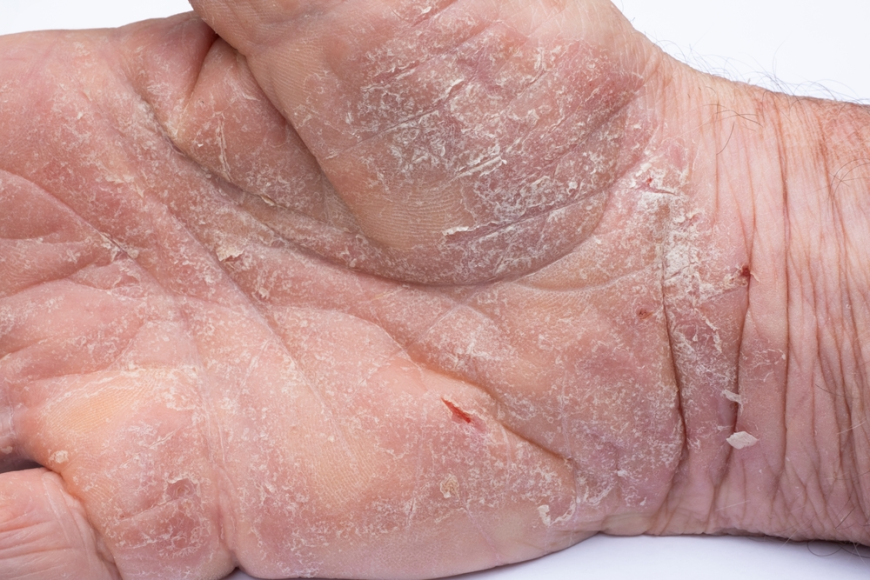
Before diving into triggers, it helps to know why eczema develops in the first place. Eczema, or atopic dermatitis, occurs when your skin’s protective barrier weakens. This allows irritants, allergens, and microbes to penetrate more easily, causing inflammation and itching.
Your elbows are especially prone to eczema because the skin there stretches frequently and is exposed to friction. Even small daily activities like resting your elbows on a desk can gradually damage the skin barrier. Moreover, your natural oils may not reach this area as effectively, leaving it dry and sensitive.
Here’s the thing: you might think that only harsh chemicals trigger eczema, but the reality is broader. Common eczema trigger factors include temperature changes, sweat, friction, and even the type of clothing you wear. By understanding these factors, you can start identifying which ones affect your elbows the most.
Household Products That Irritate Your Skin
Every day, cleaning and personal care products can silently worsen elbow eczema. Even items that seem gentle can contain ingredients your skin struggles with.
-
Soaps and Detergents: Many soaps remove natural oils from your skin. Laundry detergents with fragrances or harsh chemicals can irritate your elbows, especially when your clothing rests against them.
-
Shampoos and Body Washes: Ingredients like sulfates or strong fragrances can trigger itching when they drip onto your elbows.
-
Cleaning Supplies: Ammonia-based or bleach-containing products can cause flare-ups when they come into contact with your skin.
Not only that, even products labeled “sensitive skin” can contain preservatives or alcohols that exacerbate eczema. To reduce risk, you can switch to fragrance-free, mild cleansers and wear protective gloves while cleaning.
Tip: Keep a small journal to track when flare-ups occur. Over time, you may notice patterns linking certain products to your eczema episodes. This simple habit can help you pinpoint irritants that might otherwise go unnoticed.
Clothing Choices and Fabric Friction
You might not realize that your wardrobe could be affecting your elbow eczema. Clothing material and fit play a surprisingly large role in flare-ups.
-
Wool and Rough Fabrics: Wool, corduroy, or stiff synthetic fabrics can irritate your elbows and rub away protective oils.
-
Tight Clothing: Sleeves that press against your skin too tightly increase friction, leading to itching and redness.
-
Frequent Washing: Clothes washed with strong detergents or fabric softeners may retain chemicals that trigger eczema.
Moreover, layering clothes during temperature changes can trap sweat and heat against your elbows, worsening irritation. On the other hand, soft, breathable fabrics like cotton or bamboo reduce friction and help maintain a healthy skin barrier.
Pro tip: Consider wearing sleeves that are loose around your elbows and avoid rough seams. Washing clothes with mild, fragrance-free detergents can prevent chemical exposure, helping your elbows stay calmer over time.
Environmental Triggers That Often Go Unnoticed
Even if you’re careful with products and clothing, your environment can still contribute to flare-ups. Certain daily exposures quietly act as eczema trigger factors.
-
Temperature Fluctuations: Moving between hot and cold spaces can dry out your skin quickly.
-
Low Humidity: Dry air, especially during winter months, strips your skin of moisture.
-
Pollutants: Dust, pollen, and smoke can irritate sensitive skin, particularly on exposed elbows.
Additionally, sweat from physical activity can worsen irritation if it remains on your skin for long periods. Therefore, staying mindful of these conditions is essential. Simple adjustments like using a humidifier, wiping sweat promptly, and avoiding prolonged exposure to polluted air can make a noticeable difference.
Dietary and Lifestyle Factors
You might not immediately associate diet and habits with elbow eczema, but research shows a connection. Certain foods and lifestyle choices can influence inflammation in your body, making flare-ups more likely.
-
Processed Foods: High-sugar or heavily processed meals can increase systemic inflammation.
-
Allergens: Dairy, nuts, or gluten may trigger eczema in sensitive individuals.
-
Stress and Sleep: Chronic stress and lack of sleep weaken your immune system, making your skin more reactive.
Not only that, staying hydrated and maintaining a balanced diet rich in omega-3 fatty acids, fruits, and vegetables can help strengthen your skin barrier. By paying attention to what you eat and how you care for your body, you can reduce flare-ups alongside avoiding external irritants.
Everyday Habits That May Worsen Eczema
Some daily routines unknowingly aggravate elbow eczema. Recognizing these habits can help you make small but meaningful changes.
-
Frequent Scratching: Scratching offers temporary relief but worsens inflammation and damages the skin barrier.
-
Excessive Washing: Over-washing removes natural oils, leaving your elbows dry and more vulnerable.
-
Hot Showers: Long exposure to hot water can strip away protective lipids, increasing irritation.
In addition, repetitive friction from typing, resting elbows on tables, or carrying heavy bags may create small, persistent irritations. Over time, these minor irritants add up and provoke flare-ups.
Quick Fix: Apply a gentle moisturizer immediately after washing. It helps lock in moisture and reduces the urge to scratch. Protective measures, such as elbow pads during prolonged desk work, can also prevent friction damage.
When to Seek Professional Help
Even after minimizing irritants, some flare-ups require professional attention. Severe or persistent eczema may need specialized care to prevent infections or chronic inflammation.
Signs to Watch For:
-
Red, inflamed patches that do not improve with over-the-counter treatments
-
Oozing or crusting skin
-
Intense itching disrupting sleep or daily life
Consulting a dermatologist or participating in Eczema Clinical Trial Research can offer new insights and treatment options. Moreover, professionals can help identify specific allergens or triggers unique to your skin.
Not only that, but early intervention also prevents worsening symptoms and protects your skin from long-term damage. Seeking guidance ensures your eczema management plan is personalized and effective.
Conclusion
Elbow eczema can be frustrating, but understanding the everyday irritants that trigger it gives you control. From household products and clothing to environmental factors, diet, and daily habits, many small triggers contribute to flare-ups. By recognizing the trigger factors, you can make changes that reduce irritation and strengthen your skin barrier.
Remember, professional guidance can make a significant difference. Exploring eczema clinical trial research or consulting a dermatologist helps tailor strategies to your specific needs. You are not alone in managing eczema, and taking small, consistent steps can improve your comfort and confidence.