Expanding Your Team in Lahore? Here’s How Enterprise Office Solutions Eliminate the Hidden Costs of Office Setup
Expanding in Lahore, Pakistan? Learn how enterprise office solutions reduce hidden setup costs and help growing teams scale faster.
 emmacarter
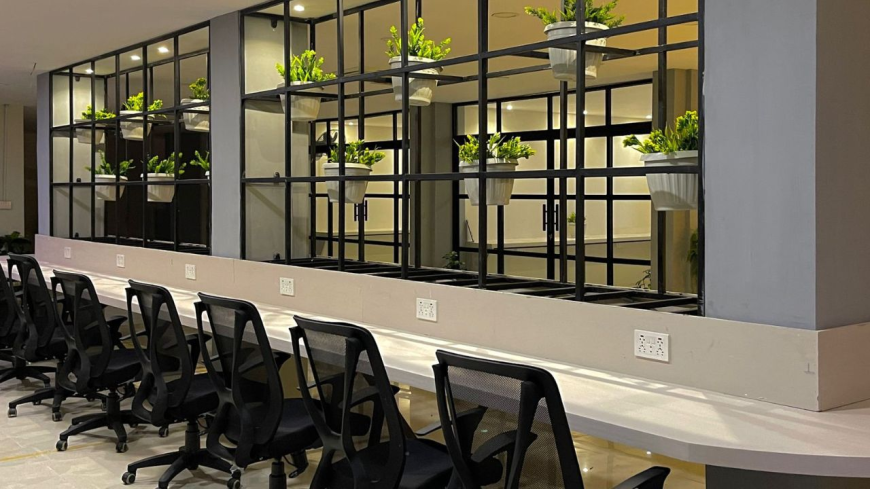
In October 2024, a Lahore-based coworking and workspace startup raised $2 million in Pre-Series A funding. Dawn reported that this brought the company’s total venture funding to more than $5 million. The company provides workspaces and a technology platform for small and medium businesses, entrepreneurs, and freelancers. This funding story also shows how Lahore’s workspace market is becoming more connected with Pakistan’s wider startup and business ecosystem.
This is not just a funding story. It shows a bigger change in how businesses in Pakistan are thinking about offices.
Companies are no longer only asking, “How much is the rent?” They are also asking, “How fast can our team move in?” “Will the office support future growth?” “Who will handle the internet, cleaning, repairs, meeting rooms, and daily operations?”
These questions matter even more when a team is expanding.
For companies in Lahore, Pakistan, office setup can look simple at first. You need more seats, a better location, and a proper place for team meetings. But once the process starts, hidden costs appear. You have to visit properties, speak with landlords, plan interiors, buy furniture, set up the internet, arrange backup power, manage cleaning, hire support staff, and keep chasing vendors.
The rent is visible. The real cost is often hidden in time, stress, delays, and lost focus.
Why Lahore, Pakistan Needs Smarter Office Expansion Options
Lahore is one of Pakistan’s largest and most active business cities. The official 2023 Census places Lahore District’s population at over 13 million people. That shows the size of the city’s workforce, customer base, and business network.
Lahore’s startup and business environment is also getting stronger. StartupBlink reports that Pakistan’s startup ecosystem ranked #72 globally in 2025, with 1,114 startups listed. Lahore remains one of the country’s key startup and technology cities, which means more teams are being formed, more people are being hired, and more businesses need flexible places to work.
Pakistan’s IT sector adds more weight to this growth. SIFC reported that Pakistan’s IT and IT-enabled services exports reached $3.8 billion in FY2025, showing 18% year-on-year growth. Dawn also reported that Pakistan’s services exports rose to $8.27 billion during July to April FY2026, with information technology expected to remain a key driver of export earnings.
These numbers matter because growing sectors need growing teams. Software houses need more developers. Agencies need more account managers, designers, and strategists. E-commerce companies need customer support and operations teams. Startups need product, sales, finance, and HR people.
When teams grow, office needs change. A company that had 10 people last year may need 30 this year. A software house may sign a new client and need more developers. An e-commerce business may add support staff. A startup may move from remote work to a hybrid office.
This is where a traditional office setup can become slow, expensive, and difficult to manage.
What an Enterprise Office Solution Actually Means
An enterprise office solution is a managed office setup built for a company team. It is not the same as renting an empty floor and building everything yourself. It is also not the same as taking one desk in a shared space.
A proper enterprise office solution gives a business a ready workplace where many office needs are already handled. This can include private team areas, workstations, meeting rooms, internet, reception support, cleaning, maintenance, security, backup power, and basic admin help.
The main idea is simple. Your team should be able to move in and start working without spending weeks setting up everything from zero.
For a Lahore business, this can save a lot of time. Instead of managing furniture vendors, electricians, internet providers, cleaners, guards, and repair workers separately, the company works with a more organized office model. That is why many growing teams compare a traditional office lease with an enterprise office solution lahore before making a long-term decision.
Monthly Rent Is Only One Part of the Cost
Most companies begin their office search by asking about monthly rent. That is normal, but it does not show the full cost.
A traditional office usually comes with advance rent, security deposit, furniture, interior work, lighting, electrical wiring, internet installation, meeting room setup, backup power, cleaning, security, office supplies, and maintenance.
These costs do not always appear at the start. Some come before move-in. Some appear during setup. Some keep coming every month. This makes an office look cheaper in the beginning than it really is.
Then there is the cost of management time.
Someone has to visit properties. Someone has to speak with landlords. Someone has to negotiate with vendors. Someone has to compare furniture. Someone has to follow up on internet installation. Someone has to make sure the office is ready before the team arrives.
In many growing companies, that person is the founder, HR manager, admin lead, or operations manager. These people should be focused on hiring, clients, delivery, and growth. But during office setup, they often spend days solving problems that have nothing to do with the core business.
After hours of research, many companies realize that the lower-rent office was not really cheaper. It only looked cheaper because the hidden costs were not counted early.
Setup Delays Can Slow Down Hiring and Delivery
A traditional office is rarely ready on the day the lease is signed.
The walls may need paint. The wiring may not match the seating plan. The internet may take time. Furniture may arrive late. Meeting rooms may need screens, boards, sound control, and extra power points. AC units may need repair. Backup power may need testing.
Each delay affects another part of the setup.
This becomes a bigger problem when the company is already hiring. Imagine a Lahore software company that has hired new developers for a client project. The joining dates are fixed. The client expects delivery. But the office is still not ready.
Now the new hires have to work from temporary spaces. Managers have to train people without proper rooms. Client calls happen from noisy corners. Team leads spend time solving office issues instead of helping new employees settle in.
The company may already be paying rent, but the office is not giving full value yet.
An enterprise office solution reduces this problem because the basic setup is already prepared. Desks, internet, meeting rooms, and support services are usually available before the team moves in. This does not remove planning completely, but it removes much of the painful setup stage.
Furniture and Fit-Out Costs Add Up Quickly
Furniture sounds simple until you start buying it for a full team.
A growing office needs desks, chairs, storage, meeting tables, waiting area seating, and sometimes private cabins. If the company buys low-quality furniture, employees may feel uncomfortable. If it buys better furniture, the upfront cost rises quickly.
Fit-out work creates another layer of cost. A company may need partitions, lighting, flooring, paint, electrical points, internet cabling, signage, and meeting room equipment. These jobs need time, planning, and supervision.
A poor layout can create daily problems. A meeting room with weak sound control becomes hard to use. A work area with poor lighting feels tiring. A floor with bad wiring creates constant interruptions. A cramped seating plan can make the team feel uncomfortable even if the office looks fine from the outside.
For a growing Lahore business, this becomes a major distraction. Leaders may spend days comparing furniture suppliers, checking contractor work, reviewing layouts, and fixing small mistakes. That is not the best use of leadership time when the company is trying to grow.
A managed enterprise office reduces this burden because much of the setup is already included. The company does not have to spend heavily on day one. It also avoids being locked into a fixed layout that may not suit the team six months later.
Internet and IT Are Business-Critical Now
For most modern teams, the internet is not just an office facility. It is part of the business engine.
Developers need it for code, cloud tools, and deployments. Sales teams need it for CRM, calls, and follow-ups. Customer support teams need it for tickets and live chats. Agencies need it for design files, campaign tools, analytics, and reporting.
If the internet slows down, work slows down with it.
This risk is very real in Pakistan. In 2024, The Guardian reported that Pakistani businesses faced internet slowdowns of around 30% to 40%, with estimated losses of $300 million. The issue affected IT companies, freelancers, online classes, client communication, and project deadlines. Reuters also reported that the Pakistan Software Houses Association warned of losses of up to $300 million due to internet disruptions.
This does not mean every office in Lahore faces the same issue every day. But it does prove that connectivity is not a small detail. It is a business risk.
In a traditional office, the company must arrange internet installation, routers, cabling, backup connections, troubleshooting, and support. If something goes wrong, someone inside the company has to chase the provider or fix the issue.
A managed office setup can reduce this pressure by offering a ready IT base and support structure. It may not remove every risk, but it gives the business a stronger starting point.
Admin Work Quietly Eats Productive Hours
A smooth office looks simple because many small tasks are being handled in the background.
Visitors need to be welcomed. Meeting rooms need to be cleaned. Tea, water, and supplies need to be managed. AC problems need to be reported. Lights need to be fixed. Security needs to be present. Washrooms need to stay clean. Repairs need to happen on time.
In a traditional office, the business has to manage all of this. That means hiring or coordinating cleaners, office assistants, guards, electricians, plumbers, and maintenance vendors. Even if the company hires admin staff, someone still has to supervise the work.
This is one of the most ignored office costs. It does not always show up as one large bill. It shows up as repeated interruptions.
An HR manager stops working on hiring because a facility issue needs attention. An operations lead pauses process work because the AC is not working. A founder gets pulled into vendor calls because the internet provider is not responding.
Small problems keep taking time from important people.
An enterprise office solution helps by shifting many of these daily tasks to the workspace operator. The business still needs internal coordination, but the daily office burden becomes lighter.
Location Affects Hiring, Clients, and Team Energy
In Lahore, location matters a lot.
A low-rent office in a difficult area may look attractive at first. Later, it can create daily problems. Employees may spend more time commuting. Candidates may hesitate to join. Clients may find the office hard to reach. Parking may become a regular complaint. Nearby food, banking, and transport options may be limited.
This affects more than convenience. It affects hiring and retention.
Good employees often look at the full work experience. Salary matters, but daily travel also matters. A developer, designer, account manager, or support lead may think twice if the office is too far from accessible routes.
Client meetings are also affected. A clean and easy-to-reach office creates confidence. A hard-to-find office with poor parking can create frustration before the meeting even starts.
For Lahore companies, areas like Gulberg, Liberty, MM Alam Road, DHA, and nearby commercial zones are popular because they are familiar and easier to access. The right location may cost more, but it can save time and improve the overall work experience.
Scaling Becomes Risky With a Fixed Office
Team size can change quickly.
A company may have 20 employees today and need 40 after winning a new client. A startup may raise funding and hire faster than expected. An e-commerce company may add customer support staff during peak demand. A service business may open a new department. A remote team may decide to build a hybrid office.
A fixed traditional office can make this difficult.
If the office is too small, the company has to move again. That means new deposits, new setup costs, new vendors, and another round of disruption. If the office is too large, the company pays for empty seats. Both choices can hurt cash flow.
Enterprise office solutions are useful because they give companies more flexibility. A business can start with the space it needs and adjust as the team grows. This is helpful in Lahore’s technology and service sectors, where hiring plans can change based on clients, funding, and market demand.
The real benefit is not only more space. It is the ability to grow without rebuilding the office every time the team changes.
Cost Clarity Helps Leaders Make Better Decisions
Traditional offices often create scattered spending.
Rent is one payment. Furniture is another. The Internet is another. Security is another. Cleaning is another. Repairs are separate. Tea, water, supplies, and maintenance are separate too. Because these costs are spread out, leaders may not see the full picture until months later.
This makes budgeting harder.
A managed enterprise office gives more cost clarity because many services are included in one structure. The company can understand the monthly cost more easily and avoid many surprise expenses. It may not always be the lowest number on paper, but it often gives a clearer view of the real cost.
For a growing business, that clarity matters. It helps leaders plan hiring, manage cash flow, and avoid wasting energy on office firefighting.
The Smarter Expansion Move for Lahore Teams
Expanding a team in Lahore, Pakistan is a strong business step. The city has a large population, an active startup scene, and a growing role in Pakistan’s technology and services economy. The data from Pakistan Bureau of Statistics, Dawn, StartupBlink, SIFC, The Guardian, and Reuters shows that office needs are changing because businesses are changing.
But growth becomes harder when office setup drains time, money, and focus.
The hidden costs are real. They appear in delayed move-ins, furniture bills, fit-out work, internet problems, admin pressure, location issues, and scaling mistakes. These costs may not look big on day one, but they add up quickly.
An enterprise office solution gives growing businesses a more practical path. It helps them move faster, control setup stress, and focus on the work that actually grows the company.
For Lahore teams, the better question is not only, “How much is the rent?”
The better question is, “How much will this office really cost once setup, time, people, and daily operations are included?”
When that full picture is clear, a managed enterprise office can be a smart way to expand without letting office setup slow the business down.