Ear Reshaping Dubai | Otoplasty Guide
Expert Otoplasty Dubai at Tajmeels Clinic. A complete guide to ear reshaping, recovery, and natural-looking results for prominent ears.
 Tajmeel_Clinic
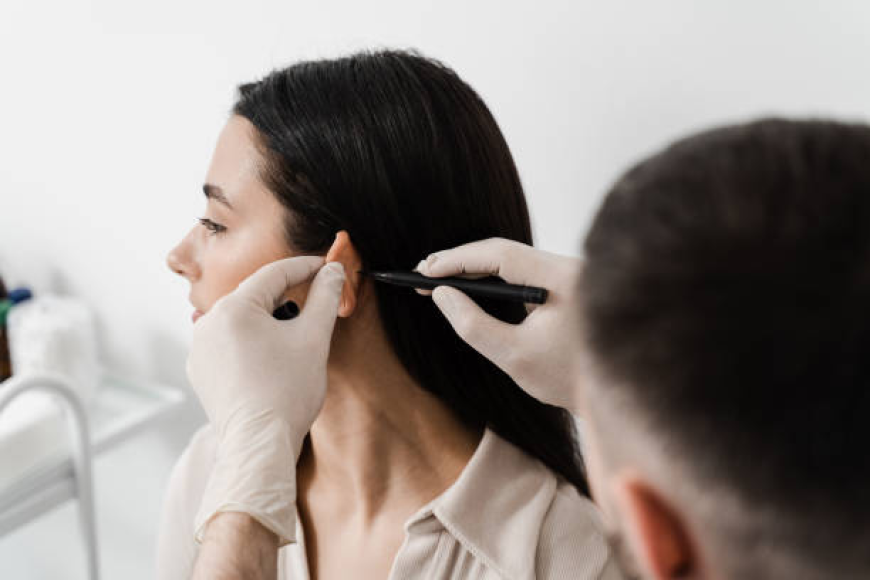
The ears are a prominent feature of the face, and their shape and position can significantly impact overall facial harmony. For individuals with protruding, oversized, or asymmetrical ears, this can be a source of self-consciousness that affects confidence and social interactions. Children and adults alike may feel hesitant to wear their hair up or avoid certain hairstyles altogether. Fortunately, ear reshaping surgery, known as otoplasty, offers a transformative solution. This procedure gently repositions the ears closer to the head, creating a more balanced and natural appearance. This guide explores everything you need to know about Ear Reshaping | Otoplasty Dubai, from the causes of prominent ears to the recovery process and beyond.
What Is Otoplasty in Dubai and How Does It Work?
Understanding the procedure is the first step toward making an informed decision. Otoplasty is a surgical procedure designed to reshape, reposition, or correct the size of the ears.
Understanding Ear Reshaping and Correction
Otoplasty addresses a variety of ear concerns, primarily focusing on protruding ears. The goal is to create a more natural, balanced appearance that harmonizes with the rest of the face. The procedure can be performed on one or both ears, depending on the patient's needs.
The Anatomy of the Ear and Common Protrusion Causes
To understand how otoplasty works, it is helpful to know the anatomy of the ear. The outer ear consists of cartilage covered by skin. Protruding ears are often caused by:
-
Underdeveloped antihelix: The fold inside the ear rim is not well-defined, causing the ear to stick out.
-
Deep conchal bowl: The inner cup of the ear is too deep, pushing the ear outward.
-
Combination of both: Many patients have a combination of these two factors.
How the Surgery Works: The surgeon reshapes the cartilage and places sutures to create a natural fold and bring the ears closer to the head. Incisions are typically made behind the ear, hiding scars in the natural crease.
Am I a Good Candidate for Otoplasty in Dubai?
Not everyone seeking ear reshaping is an ideal candidate. A thorough consultation is essential.
Signs You May Benefit from Ear Reshaping
You may be a good candidate if you experience:
-
Protruding ears: Ears that stick out noticeably from the head.
-
Enlarged ears: Ears that are disproportionately large for your face.
-
Asymmetrical ears: One ear is noticeably different in shape or position from the other.
-
Misshapen ears: Ears with an unusual shape or contour.
-
Self-consciousness: You feel uncomfortable or embarrassed about your ears.
Ideal vs. Less Ideal Candidates
-
Ideal Candidates: Individuals in good overall health with realistic expectations, children aged 5-6 or older (when ear cartilage is stable), and adults of any age.
-
Less Ideal Candidates: Those with active ear infections, unrealistic expectations, or certain medical conditions that impair healing.
The Otoplasty in Dubai Procedure: What to Expect
Understanding the procedure step by step helps alleviate anxiety and prepares you for the journey.
Step-by-Step Breakdown of the Surgery
-
Consultation: The surgeon will assess your ears, discuss your goals, and develop a personalized surgical plan.
-
Preparation: The area around the ears is cleansed, and markings are made to guide the incisions.
-
Anesthesia: The procedure is performed under local anesthesia with sedation or general anesthesia, depending on the patient's age and the complexity of the surgery.
-
Incision: The surgeon makes an incision behind the ear, hiding the scar in the natural crease.
-
Cartilage Reshaping: The surgeon reshapes the cartilage and places sutures to create a natural fold and bring the ears closer to the head.
-
Closure: The incisions are closed with fine sutures.
Anesthesia and Incision Techniques
-
Anesthesia: Local anesthesia with sedation is common for adults, while general anesthesia may be preferred for children or more complex procedures.
-
Incision Techniques: The incision is made behind the ear, where it will be hidden in the natural crease. This minimizes visible scarring.
Recovery Timeline After Otoplasty in Dubai
Recovery is a crucial phase that requires patience and proper care.
The First 7 Days (Downtime Reality)
The first week after surgery involves the most significant healing. Here is what you can expect:
-
Day 1: You will have bandages around your head. You may experience mild discomfort, swelling, and bruising. Cold compresses can help reduce these symptoms.
-
Day 2-3: Swelling and bruising may peak during these days. It is essential to keep your head elevated and avoid any pressure on the ears.
-
Day 4-7: Swelling and bruising begin to subside. You will wear a soft headband to protect the ears and maintain their new position.
Managing Swelling, Discomfort, and Headband Use
Managing these symptoms effectively speeds up the recovery process:
-
Cold Compresses: Apply cold compresses for the first 48 hours to reduce swelling.
-
Head Elevation: Keep your head elevated, even while sleeping, to minimize fluid accumulation.
-
Pain Relief: Over-the-counter pain relievers, such as acetaminophen, can help manage discomfort. Avoid aspirin and ibuprofen, as they can increase bleeding.
-
Headband Use: You will need to wear a headband for several weeks to protect the ears and maintain their new position.
Long-Term Recovery and Results
-
Weeks 2-4: The swelling and bruising continue to diminish. You will notice significant improvement. You can typically return to work or school after 1-2 weeks.
-
Months 1-3: The incisions are healing well and fading. The final results are becoming more apparent.
-
Months 6-12: The scars continue to fade and soften, becoming virtually invisible behind the ear.
Results and Long-Term Outcomes of Otoplasty in Dubai
Understanding the longevity of results and the appearance of scars is essential.
When Will You See Final Results?
The final results of otoplasty are not immediate. It takes time for the swelling to fully subside and for the tissues to settle.
-
Initial Results: You will notice a significant improvement within the first few weeks.
-
Final Results: The complete results are typically visible after 6 to 12 months.
How Long Do Results Last and Will Scars Fade?
The results of otoplasty are generally permanent. The cartilage is reshaped and the sutures hold the ears in their new position.
Scars and Their Fading: The incisions are hidden behind the ear, making them virtually invisible over time.
Risks, Safety, and Contraindications for Otoplasty in Dubai
Otoplasty is generally safe, but it is important to be aware of the potential risks.
Common Side Effects and How to Manage Them
-
Swelling and Bruising: These are expected and can be managed with cold compresses and head elevation.
-
Discomfort: Mild discomfort is normal and can be managed with prescribed medication.
-
Numbness: Temporary numbness in the ear area is common.
-
Scarring: While minimal, some scarring is inevitable. Proper care helps minimize its appearance.
Who Should Avoid This Surgery?
Otoplasty is not recommended for individuals with:
-
Active ear infections.
-
Uncontrolled medical conditions, such as diabetes or hypertension.
-
Unrealistic expectations.
Otoplasty in Dubai vs. Non-Surgical Ear Correction Alternatives
Many patients wonder if they can achieve similar results without surgery.
Comparing Surgical and Non-Surgical Options
| Treatment | Pros | Cons | Suitability |
|---|---|---|---|
| Otoplasty (Surgical) | Permanent, addresses cartilage, natural results | Surgical, requires downtime | Prominent, misshapen ears |
| Ear Molding (Infants) | Non-invasive, effective in newborns | Only effective in early infancy | Newborns with ear deformities |
| Filler/Threads | Non-invasive | Temporary, does not address cartilage | Very mild concerns |
| Ear Clips/Tape | Non-invasive | Temporary, not effective for cartilage | Very mild protrusion in children |
Freuently Asked Questions About Otoplasty in Dubai
1. What is otoplasty?
Otoplasty, or ear reshaping surgery, is a procedure designed to correct protruding, misshapen, or asymmetrical ears.
2. Is otoplasty painful?
The procedure is performed under anesthesia, and post-operative discomfort is manageable with prescribed medication.
3. How long does the procedure take?
Otoplasty typically takes 1 to 2 hours, depending on the complexity.
4. When can I return to work or school?
Most patients return to work or school within 1 to 2 weeks.
5. Will there be visible scars?
The incisions are made behind the ear, making scars virtually invisible over time.
6. How long do the results last?
The results of otoplasty are generally permanent.
7. Can otoplasty be performed on children?
Yes, otoplasty can be performed on children aged 5-6 or older, when the ear cartilage has stabilized.
8. Is otoplasty covered by insurance?
Otoplasty is typically considered a cosmetic procedure and is not covered by insurance.
9. What is the recovery like?
Recovery involves temporary swelling, bruising, and mild discomfort. A headband is worn to protect the ears.
10. How do I choose a surgeon for otoplasty?
Choose a board-certified surgeon with extensive experience in ear reshaping. Review their credentials, before-and-after photos, and patient testimonials.
Conclusion: A Transformative Solution for Ear Concerns
Prominent or misshapen ears can be a source of self-consciousness, but otoplasty offers a transformative solution. By gently reshaping and repositioning the ears, this procedure creates a more balanced, natural appearance that enhances facial harmony and boosts confidence. Understanding the procedure, recovery, and risks is essential for making an informed decision.
At Tajmeels Clinic, we are committed to providing the highest standard of care in ear reshaping. Our experienced surgeons use advanced techniques to deliver natural-looking results tailored to your individual needs. We invite you to schedule a consultation and discover how otoplasty can transform your appearance and restore your confidence. Your journey to a more confident you begins here.