How Designer Hoodies Are Changing Luxury Streetwear
See how designer hoodies blend comfort, status, craftsmanship, and street culture to reshape luxury fashion and modern everyday style.
 jacketsjunction
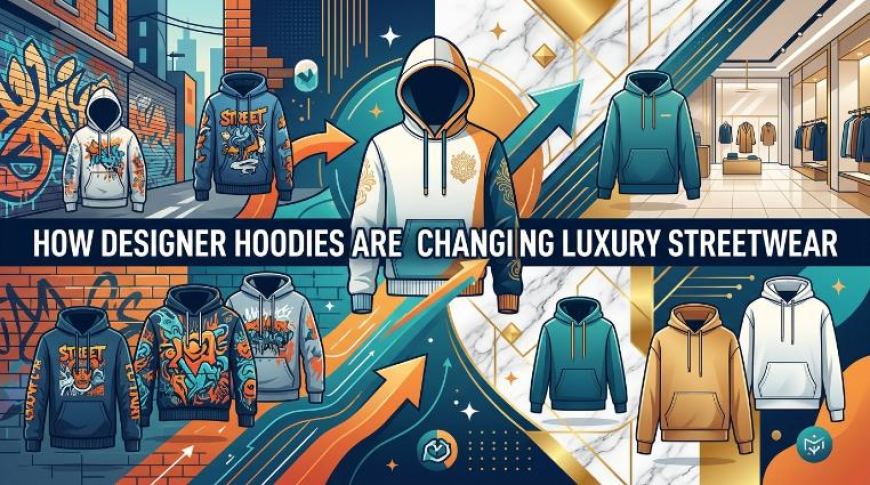
A hoodie used to be the simplest item in a wardrobe. You pulled it on for a morning coffee run, a late-night drive, or a cold day at home. Now, designer hoodies appear in luxury collections, celebrity wardrobes, fashion-week photos, and carefully styled street looks. The garment hasn't lost its comfort, but its meaning has changed.
Designer hoodies now sit between casual clothing and luxury fashion. They combine the relaxed shape people already love with premium fabrics, recognizable branding, detailed construction, and prices once associated with formal designer pieces. That mix has made the hoodie one of the clearest symbols of modern luxury streetwear.
The rise of designer hoodies also reflects a wider change in how people define status. Buyers no longer need a tailored suit or an evening dress to communicate taste. A well-cut hoodie, paired with strong sneakers and simple trousers, can make the same statement while fitting naturally into everyday life.
From practical sportswear to a luxury essential
Hoodies were originally valued for function. Athletes, laborers, students, skaters, and musicians wore them because they were warm, practical, and easy to move in. Their connection to youth culture grew through hip-hop, skateboarding, college sports, and underground music scenes.
Luxury labels noticed that cultural influence. Instead of trying to replace the hoodie with something more formal, designers began refining it. They adjusted the fit, upgraded the fabric, sharpened the stitching, and treated the garment with the same attention normally given to coats or knitwear. Designer hoodies became premium products without losing their street-level identity.
This background matters because designer hoodies didn't become desirable through traditional luxury rules. Their appeal came from real communities first. High-fashion brands entered later, borrowing the confidence, attitude, and visual language that streetwear had built over decades.
Comfort has become part of modern luxury
Luxury fashion once asked wearers to accept discomfort in exchange for appearance. Stiff tailoring, delicate materials, and restrictive shapes often came with the territory. Consumer habits have changed. People now expect expensive clothing to look polished and feel good for hours.
Designer hoodies answer that demand better than almost any other garment. Soft cotton, brushed fleece, roomy sleeves, and adjustable hoods make them practical, while careful proportions keep them from looking careless. The best examples feel relaxed without appearing oversized in the wrong places.
This balance helps explain why designer hoodies work across different settings. Someone can wear one while traveling, shopping, attending a casual meeting, or going out in the evening. A change of trousers, shoes, or outerwear can shift the entire outfit without replacing the hoodie itself.
Prints are giving casual pieces more personality
Pattern has become one way brands separate premium hoodies from ordinary basics. Camouflage, tonal graphics, faded prints, and vintage-inspired finishes add character without changing the familiar shape. A piece such as the abercrombie camo hoodie shows how a recognizable print can turn a comfortable pullover into the focal point of an outfit.
Printed designer hoodies are especially useful for people who prefer simple styling. Instead of layering several loud pieces, they can wear one patterned hoodie with plain denim, cargo pants, or neutral joggers. The print does the visual work, while the rest of the outfit keeps it grounded.
Fabric and construction now justify closer attention
Not every expensive hoodie qualifies as luxury. Price alone doesn't improve a garment. Buyers are paying more attention to fabric weight, stitching, shape retention, ribbing, lining, hardware, and how the material feels after repeated wear.
Well-made designer hoodies often use dense cotton that hangs cleanly rather than collapsing against the body. Some include loopback jersey for breathability, while others use brushed interiors for warmth. The cuffs and waistband should recover their shape instead of stretching after a few wears.
Construction also affects how designer hoodies look from a distance. A carefully designed shoulder line can make a relaxed fit appear intentional. A structured hood can frame the face instead of lying flat. Even the placement of a pocket changes the balance of the front panel.
These details aren't always obvious in product photographs. They become clearer once the hoodie is worn. That is why experienced streetwear buyers often care as much about the cut and fabric as they do about the name printed on the chest.
Logos are becoming more controlled
Large logos helped establish luxury streetwear because they gave buyers instant recognition. A bold emblem could make a basic silhouette feel exclusive. That approach still has an audience, but many brands are moving toward smaller marks, tonal embroidery, and less obvious placement.
This quieter approach gives designer hoodies a longer life in a wardrobe. A subtle design is easier to repeat, easier to layer, and less tied to a single trend cycle. It also places more pressure on the actual quality of the garment, since branding can no longer carry the whole design.
The coach hoodie fits into this part of the market by connecting an established fashion name with a practical streetwear shape. It can be styled as a recognizable branded piece without requiring the rest of the outfit to compete for attention.
For many shoppers, that balance feels more sophisticated than covering every item with a different logo. One clear brand reference is usually enough. The hoodie can make the statement, while the trousers, coat, bag, and footwear support it.
Oversized fits are changing the streetwear silhouette
Fit may be the biggest visible difference between traditional hoodies and current luxury versions. Earlier styles often followed the body or used a straightforward athletic cut. Many designer hoodies now have dropped shoulders, wider sleeves, shorter hems, or extra volume through the chest.
An oversized cut changes more than comfort. It changes posture and proportion. Wider designer hoodies can make slim trousers look sharper, while cropped versions create a stronger break above loose jeans. Longer styles work well under roomy coats because the layers feel connected rather than accidental.
The key is control. An oversized hoodie should still have a clear shape. If every measurement is simply made larger, the garment can look poorly sized. Strong designer hoodies use specific adjustments to create volume while keeping the neckline, cuffs, and hem visually balanced.
Gender-neutral design is expanding the audience
The relaxed structure of a hoodie makes it well suited to gender-neutral fashion. Many luxury brands now present the same piece across menswear and womenswear collections, changing only the styling or available sizes.
Designer hoodies support this shift because they don't depend heavily on traditional tailoring rules. The same hoodie can look completely different with a skirt, wide-leg trousers, fitted denim, shorts, or layered outerwear. The wearer creates the identity of the outfit.
This flexibility also makes shopping more personal. Buyers can focus on the fit they prefer rather than the department where a product is displayed. Some choose a close fit for layering. Others size up for volume and longer sleeves. Neither approach needs to follow an old gender-based formula.
Sports, motorsport, and music continue to shape demand
Luxury streetwear still depends heavily on subcultures. Basketball, racing, skateboarding, gaming, and music give brands a steady source of colors, symbols, references, and personalities. These connections keep designer hoodies tied to communities rather than turning them into plain luxury basics.
Motorsport-inspired pieces are a good example. Racing graphics, sponsor-style patches, energetic colors, and bold lettering create a look that feels fast and competitive. The monster energy hoodie reflects that influence by bringing performance branding into a wearable streetwear format.
These references work because fans already understand their meaning. A logo linked to racing or action sports carries memories, teams, personalities, and events. Designer hoodies use that emotional connection to offer more than a decorative graphic.
Celebrity styling has made hoodies aspirational
Celebrity culture helped move the hoodie from casual wear into luxury fashion. Musicians, athletes, actors, and online creators regularly pair hoodies with expensive coats, watches, handbags, and limited-edition sneakers. Those combinations show audiences that relaxed clothing can still look deliberate.
Designer hoodies also photograph well. The silhouette is easy to recognize, even in a quick street-style image or social media post. A visible hood, strong shoulder shape, or graphic chest design can identify the piece before viewers notice the rest of the outfit.
This exposure affects buying behavior. People often see designer hoodies worn in real settings before they see them in a campaign. An airport photo, arena arrival, studio clip, or candid restaurant image can make a hoodie feel more desirable than a carefully staged advertisement.
Limited releases are turning hoodies into collectibles
Streetwear taught luxury brands how powerful scarcity can be. Small production runs, timed launches, regional exclusives, and collaboration drops create urgency. Buyers know that waiting may mean paying more on the resale market or missing the piece completely.
Designer hoodies suit the drop model because sizing is usually less complicated than it is for tailored clothing. Shoppers can make quicker decisions, and resellers can store and ship hoodies more easily than structured jackets or delicate footwear.
Scarcity can create excitement, but it can also distract from quality. A sold-out label doesn't automatically mean the garment was well made. Buyers are becoming more selective, checking fabric, construction, fit, and long-term wear before treating every limited release as a collectible.
Buyers now expect a story behind the product
A logo and a high price are no longer enough. Shoppers want to know why a collection exists, where its references came from, and how the design connects to the brand. Designer hoodies often become the easiest way to communicate that story because they offer a large, visible surface for graphics and details.
Collaborations work well when both sides contribute something recognizable. One partner may bring luxury materials and production knowledge, while the other brings a visual identity, community, or cultural history. The resulting designer hoodies feel stronger when the connection makes sense.
Forced collaborations are easier to spot. When two names appear together without a shared idea, the product can feel like merchandise rather than design. Modern streetwear customers have seen enough partnerships to recognize the difference.
Styling has moved beyond matching sweatpants
A matching set is still useful, but designer hoodies are no longer limited to head-to-toe sportswear. One of the strongest styling changes has been the mix of formal and casual pieces.
A hoodie under a wool overcoat creates contrast without looking confused. Pairing one with tailored trousers softens the outfit, while leather footwear adds structure. Designer hoodies can also sit under varsity jackets, bombers, trench coats, or technical shells, depending on the season.
Color matters. Neutral designer hoodies in black, cream, gray, navy, or brown are easier to build around. Brighter colors and graphic versions work better as the center of the outfit. In both cases, keeping one or two supporting colors creates a cleaner result.
Sustainability is changing how luxury buyers judge value
Customers are asking harder questions about expensive clothing. They want to know whether the fabric will last, whether the garment can survive regular washing, and whether the design will still feel wearable after the current season.
Designer hoodies can support longer use when brands choose durable materials and avoid details that age quickly. A strong cotton body, replaceable drawcord, stable ribbing, and reinforced seams matter more than decorative packaging. Longevity gives the price a practical reason.
Resale also plays a role. Well-kept designer hoodies can move between owners, especially when the design has a clear identity or belongs to a respected collection. That second life doesn't remove every environmental concern, but it can reduce the habit of treating premium clothing as disposable.
Why the hoodie now represents modern luxury
Modern luxury is less formal than it used to be. It focuses on choice, comfort, identity, and access to products that feel personal. Designer hoodies fit that definition because they can be worn frequently while still communicating taste and cultural knowledge.
They also remove the distance between a luxury item and everyday life. A formal jacket may stay in a closet for special events. Designer hoodies can become part of a weekly rotation, collecting memories through travel, work, concerts, games, and ordinary days.
That regular use gives the garment emotional value. People may remember where they bought it, which release it came from, or who introduced them to the brand. The hoodie becomes part of their personal style rather than an item kept only for display.
What comes next for luxury streetwear
Brands will keep experimenting with fabric, shape, graphics, and collaborations, but buyers are likely to demand stronger reasons for premium prices. The market has too many options for weak products to rely on hype forever.
Designer hoodies that succeed will combine a recognizable point of view with dependable construction. Some will use quiet branding and precise cuts. Others will lean into sports graphics, art, music, or bold color. The common requirement will be intention. Every detail needs a reason to exist.
The hoodie has already earned a permanent place in luxury fashion. Trends may change its proportions or decoration, but the basic appeal remains simple: comfort that doesn't require the wearer to give up style.
Frequently Asked Questions
Why are luxury hoodies so expensive?
Luxury hoodies may cost more because of fabric quality, manufacturing methods, limited production, brand positioning, design work, and collaboration fees. The best value comes from pieces that combine strong construction with a design you will wear regularly.
How should a premium hoodie fit?
The right fit depends on the intended silhouette. A standard fit should sit comfortably at the shoulders without pulling across the chest. An oversized fit should add volume while keeping the neckline, cuffs, and hem controlled.
Can a hoodie be worn with formal clothing?
Yes. A plain or subtly branded hoodie can work under a wool coat, blazer, or trench. Choose clean footwear and structured trousers so the outfit looks balanced rather than unfinished.
Are logo-heavy hoodies still fashionable?
Bold logos still have a place in streetwear, especially in collectible releases and sports-inspired collections. Smaller logos and tonal branding are also popular because they are easier to repeat and layer.
How can you tell whether a hoodie is well made?
Check the fabric weight, seam consistency, ribbing, zipper or drawcord quality, pocket placement, and shape of the hood. A well-made hoodie should hold its structure and remain comfortable after repeated wear.
Find your next streetwear statement at Jackets Junction
Designer hoodies have changed what people expect from casual clothing. They can deliver comfort, recognizable style, and a connection to sports, entertainment, or fashion culture in one practical piece. Jackets Junction brings together statement hoodies and celebrity-inspired styles for shoppers who want clothing with personality.
Browse the latest collection at Jackets Junction and choose a hoodie that fits the way you dress, not just the trend of the moment.