Cup C Bra Size Guide: What Cup C Really Means and How It Fits
Learn everything about Cup C bra size—what it means, how to measure correctly, and how it compares to other cup sizes. Find the best bra styles for comfort, shape, and confidence.
 glennprior
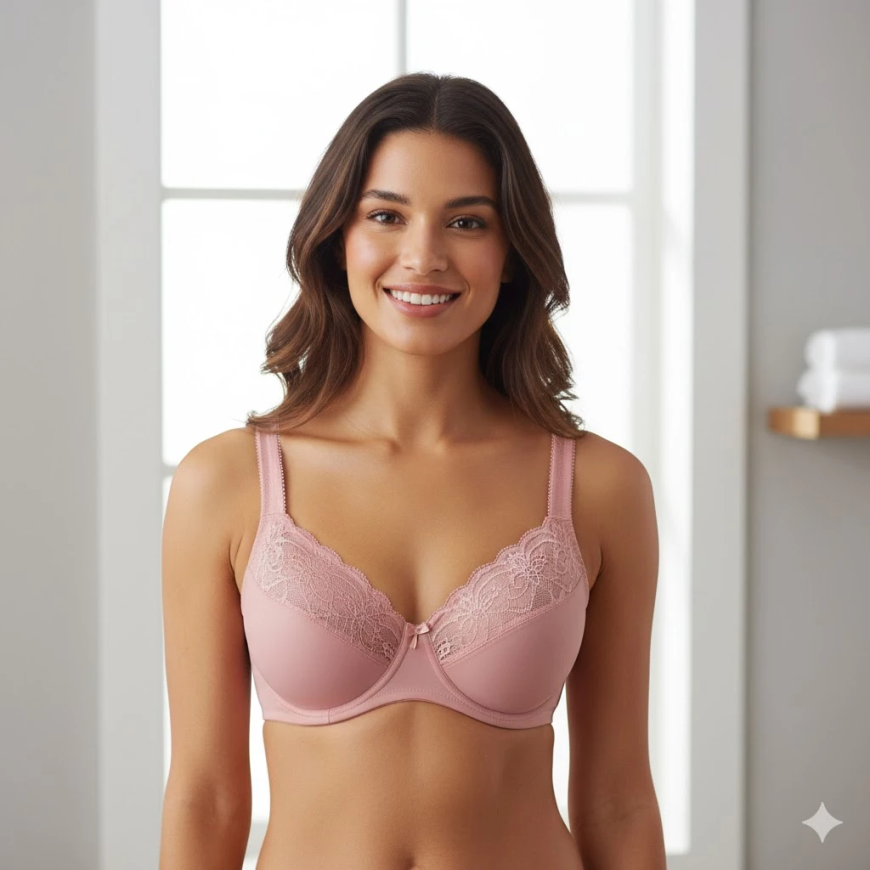
Cup C. A simple letter. A size that sits right in the middle of the bra spectrum.
Not too small. Not too large. But what does it really mean? And why does it look so different on every woman?
This guide dives deep into Cup C size, how to measure it, how it compares to other bra sizes, and how to find the perfect fit that feels like second skin.
Understanding Cup C — What Does It Actually Mean?
A Cup C represents the difference between your bust and your band size.
Technically, it means your bust measurement is about three inches larger than your band measurement.
Here’s how it works:
-
Bust – Band = Cup Size
-
1 inch → A cup
-
2 inches → B cup
-
3 inches → C cup
-
4 inches → D cup
-
For example, if your bust measures 37 inches and your band is 34 inches, you’re a 34C.
But don’t assume all Cup C sizes are equal. A 34C and a 36C don’t hold the same volume. The band size affects cup volume, meaning a 36C is slightly larger overall than a 34C.
This is where most confusion starts. You might think you’ve gone up a cup size, but really, you’ve just changed your band.
Cup C Compared to Other Cup Sizes
Cup sizes change subtly from one to another, but those small changes affect comfort and appearance a lot.
| Size | Difference | Description |
|---|---|---|
| B Cup | 2-inch difference | Smaller, lighter coverage |
| C Cup | 3-inch difference | Medium coverage, balanced look |
| D Cup | 4-inch difference | Fuller coverage, heavier support |
A Cup C sits beautifully between support and shape. It offers natural curves without extra bulk. On petite bodies, it looks fuller. On broader frames, it feels proportional.
That’s why so many women find their comfort zone in Cup C bras—balanced, supportive, and flattering.
How to Measure for Cup C Correctly
Most women wear the wrong bra size. That’s not an opinion—it’s a fact backed by studies.
The only way to know your true size is to measure correctly.
Follow these steps at home:
-
Measure your band size.
Wrap a soft tape snugly around your ribcage, right under your bust. Round to the nearest even number. -
Measure your bust size.
Place the tape around the fullest part of your chest. Don’t pull tight. -
Find your cup size.
Subtract the band from the bust. Three inches? You’re a Cup C.
Example: 37 (bust) - 34 (band) = 3 → 34C.
Measuring once isn’t enough. Your size can change due to weight, hormones, or even fabric stretch. Always remeasure every 6–12 months.
Cup C on Different Body Types
A C cup size doesn’t look the same on everyone.
A 32C appears smaller and perkier. A 36C looks fuller and rounder. The reason? Sister sizing.
If your band changes, your cup changes too.
| Band Size | Sister Size Up | Sister Size Down |
|---|---|---|
| 32C | 34B | 30D |
| 34C | 36B | 32D |
| 36C | 38B | 34D |
These bra size equivalents help you switch brands or adjust for comfort without losing fit.
Body type also affects how Cup C looks.
-
Petite women often see Cup C as fuller and more lifted.
-
Curvy frames carry it naturally, evenly balanced.
-
Athletic builds get a sleek, proportional shape.
So when someone asks, “Is a C cup big?” the honest answer is — it depends on you.
Best Bra Styles for Cup C Sizes
Cup C bras come with versatility. They offer enough shape for lift, and enough balance for flexibility.
Here are styles that flatter the most:
-
T-Shirt Bra: Smooth, invisible, perfect for daily wear.
-
Balconette Bra: Slight lift, flattering neckline.
-
Wireless Bra: Comfort without wires, ideal for lounge days.
-
Push-Up Bra: Extra lift for special outfits.
-
Sports Bra: Medium support for movement and activity.
When choosing a C cup bra, pay attention to:
-
Band tightness (should sit flat, not ride up).
-
Cup edge (no gaps or overflow).
-
Strap length (shouldn’t slip or dig).
Perfect fit feels invisible. You shouldn’t feel your bra at all.
Common Cup C Fit Problems
Even with the right size, issues happen. The good news? Each one has a fix.
| Problem | Likely Cause | Solution |
|---|---|---|
| Cup overflow | Cup too small | Try next cup size |
| Cup gaping | Cup too big | Go down a size |
| Band rides up | Band too loose | Choose smaller band |
| Underwire digs | Wrong shape or cup depth | Try sister size |
| Strap marks | Straps too tight | Loosen or adjust position |
Fit problems don’t mean something’s wrong with your body. It means the bra isn’t right for your shape.
The Psychology Behind Cup C
Here’s the truth — Cup size doesn’t define beauty.
Many women see Cup C as “ideal.” Balanced. Feminine. Elegant. But that’s just perception.
Confidence doesn’t come from numbers. It comes from comfort. From wearing what feels good.
A well-fitted Cup C bra doesn’t just lift the bust. It lifts confidence. And that’s what makes it perfect.
FAQs About Cup C Sizes
Is Cup C considered large?
It’s medium—neither large nor small. Looks vary by frame and band size.
What’s the most common bra size for women?
The average size in many countries is 34C.
Do Cup C bras need special support?
Medium support works best—wide straps, firm band.
Can Cup size change over time?
Yes. Weight changes, pregnancy, and hormones affect size and shape.
Final Thoughts — Embrace Your Cup C
Cup C. The middle ground between soft comfort and defined shape.
It’s not about what looks perfect. It’s about what feels perfect.
Measure right. Choose smart. Move freely.
Because when a bra fits, you forget it’s even there.
And that’s the beauty of Cup C—confidence you can wear.