Convertible Cars Buying Guide UK: What to Know Before You Invest
Complete UK convertible buying guide 2026. What to inspect, new vs used costs, ULEZ advice, and how a local auto dealer ensures you buy the right drop-top
 mrhenry@
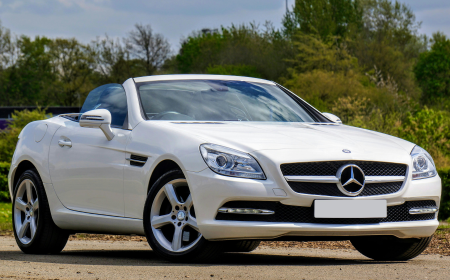
Buying a convertible car in the UK is a dream for many drivers. But before you start picturing yourself cruising along the Cornish coast, roof down, sun on your face, it pays to have a conversation with a trusted local auto dealer who can ground that dream in reality.
They see convertibles every day, they know which models hold up, and they can warn you about the ones that spend more time in the garage than on the road.
Because here is the truth: that dream can quickly turn into a nightmare if you buy the wrong car. A convertible with a leaking roof, a seized mechanism, or sky-high running costs will leave you regretting your purchase every time it rains, which in the UK, is often.
The market in 2026 offers more choice than ever. From affordable roadsters like the Mazda MX-5 to luxury drop-tops like the Audi A5 Cabriolet, and now a growing number of electric convertibles like the MG Cyberster.
But with choice comes complexity. Folding hard tops, fabric roofs, hybrid systems, and ULEZ compliance all add layers to the decision.
This guide walks you through everything you need to know before investing in a convertible. Whether you are buying new or used, this will help you avoid expensive mistakes and find a car that delivers joy, not stress.
Why Buying a Convertible in 2026 Needs Extra Care
Let us be honest. Convertibles are more complicated than regular cars. That is the price you pay for the roof going down.
Modern drop-tops have motors, hydraulics, sensors, and seals that all need to work perfectly. If any part of that system fails, you are looking at repair bills that can run into thousands.
A fabric roof replacement on a premium car can easily cost £2,000 or more. A folding hard top mechanism failure might write off an otherwise good car.
Then there is the weather. The UK is not California. Your convertible needs to cope with rain, wind, and cold for most of the year. If the car is not properly maintained, you will feel every draught and discover every leak the hard way.
Finally, there are the 2026 realities: Clean Air Zones, ULEZ expansion, and the shift towards electrification. An older convertible that was cheap to buy might end up costing you £12.50 a day just to drive into a city.
Buying wisely matters more than ever.
What to Check Before Buying a Convertible
If you are viewing a used convertible, do not just kick the tyres. Get your hands dirty. Here is exactly what to inspect.
Roof Condition: The Make-or-Break Check
The roof is the most expensive single component on any convertible.
For fabric roofs:
-
Run your hand along the stitching near the rear window and along the edges. Fraying threads mean the roof is weakening.
-
Look at the fabric from inside while someone sprays water on the outside. Any water ingress is a deal-breaker unless you budget for a new roof.
-
Check the plastic rear window for yellowing or cracks. If it is scratched, can it be polished out? If it is cracked, replacement is the only option.
For folding hard tops:
-
Open and close the roof at least three times. Listen for grinding, hesitation, or uneven movement. Any odd noise means expensive repairs.
-
Watch the panels as they move. They should align perfectly when closed. Misalignment suggests previous damage or worn mechanism components.
Seals and Latches
Run your finger along every rubber seal around the windscreen and doors. The rubber should be supple, not rock-hard or cracked. Hard seals leak. Period.
Check the latch mechanism that secures the roof to the windscreen frame. It should click positively and hold the roof tight. A loose roof means wind noise and potential water ingress.
Bodywork and Rust
Convertibles lack a fixed roof, so the chassis has to be strengthened to compensate. That extra metal, usually in the sills and under the floor, can trap moisture.
-
Get low and look at the underside of the sills. Rust here is structural and expensive to repair.
-
Check the door hinges. Sagging doors suggest the chassis has flexed, possibly due to accident damage or hard use.
-
Look for uneven panel gaps. They can indicate the car has been bent at some point.
Electrical Components
Modern convertibles are full of electrics. Test everything.
-
Operate the roof using the switch. It should move smoothly without stopping.
-
Test all windows, especially the rears if fitted.
-
Check heated seats, heated rear screens, and any wind deflector mechanisms.
-
If the car has a wind deflector that needs manual fitting, make sure it is present and undamaged.
Suspension and Tyres
Convertibles are heavier than their coupe counterparts because of the reinforcement and roof mechanism. That extra weight wears suspension components faster.
-
Bounce each corner of the car. It should settle quickly and evenly. Bounciness means worn shocks.
-
Check tyre wear. Uneven wear suggests alignment issues or worn suspension bushes.
-
Look at the age of the tyres. All-season or summer tyres are common, but if you plan to drive year-round, factor in the cost of winter rubber.
New vs Used Convertibles: The 2026 Reality
New Convertibles
Buying new gives you warranty cover, the latest technology, and often better fuel efficiency. The MG Cyberster, for example, offers electric performance with zero ULEZ worries. The latest Mazda MX-5 still sets the benchmark for affordable fun.
The downside? Depreciation. A new convertible can lose 20 to 30 percent of its value in the first year. If you buy new, plan to keep it for a while.
Used Convertibles
A two or three-year-old convertible offers the best value. You avoid the steepest depreciation, but the car is still relatively modern and reliable.
If you go older, focus on condition and history. A full service history is non-negotiable. Look for evidence of roof maintenance, seal conditioning, and regular use. Convertibles that have been stored all winter and rarely used can suffer from seals drying out and mechanisms seizing.
ULEZ warning: If you are looking at older petrol convertibles, especially pre-2015 models, check whether they are ULEZ compliant. Many aren't. Driving a non-compliant car into London or Birmingham will cost you £12.50 a day.
Convertible Car Maintenance Tips
Owning a convertible means adapting your maintenance habits.
-
Clean the roof properly. Fabric roofs need specialist cleaners. Washing-up liquid strips the protective coating. Hard tops need the same care as the rest of the paint.
-
Condition the seals. Buy a silicone-based rubber conditioner and treat all the door and roof seals twice a year. It keeps them soft and stops leaks.
-
Use the roof regularly. Even in winter, open and close the roof once a month. It keeps the mechanism moving and the seals flexible.
-
Avoid automatic car washes. High-pressure jets can force water past seals. Hand washing is safer.
-
Park under cover if possible. A garage or carport protects the roof from UV damage and tree sap.
Convertible Car Ownership Costs in the UK
Convertibles cost more to own than equivalent hatchbacks. Here is why.
|
Cost Area |
Why It's Higher |
|
Insurance |
Higher repair costs and sometimes higher performance push premiums up. |
|
Fuel |
Convertibles are heavier and often have less aerodynamic efficiency. |
|
Maintenance |
Roof mechanisms, seals, and specialist repairs add up. |
|
Depreciation |
Some convertibles depreciate faster, especially if they are seasonal cars. |
|
ULEZ/CAZ |
Older models may incur daily charges in clean air zones. |
Smaller convertibles like the Mazda MX-5 and Mini Convertible are cheaper to insure and maintain. Larger luxury drop-tops from Audi, BMW, and Mercedes cost significantly more to run.
Best Convertibles for First-Time Buyers in 2026
If you have never owned a convertible before, start with something manageable.
-
Mazda MX-5: The default choice for a reason. Light, reliable, and huge fun. The 2026 models retain their purity.
-
Mini Convertible: Compact, stylish, and surprisingly practical for city life. The roof is well insulated.
-
Fiat 500C: Not a full convertible, but a sunroof-like experience. Cheap to buy and run, perfect for towns.
-
Audi A3 Cabriolet: If you want premium without massive running costs, this offers good build quality and everyday usability.
-
MG Cyberster: For those ready to go electric, this offers instant torque and zero-emission open-air driving.
These models have strong reliability records and parts are widely available.
Convertible Buying Tips for 2026
-
Buy in winter. Prices are lower when demand is soft. You can save thousands buying between November and February.
-
Test the roof repeatedly. Open and close it at least three times during the test drive. Hot engines can hide issues, so test cold too.
-
Look for leaks. Damp carpets, musty smells, or water stains on the headlining are red flags.
-
Read owner forums. Find out what goes wrong with the specific model you are considering. Knowledge is power.
-
Check the spare wheel well. If there is water there, the car has a serious leak.
-
Consider a specialist warranty. If buying privately, an aftermarket warranty that covers the roof mechanism might be worth the cost.
Final Thoughts
A convertible bought wisely is one of the most rewarding cars you can own. The freedom of open-top driving, the connection to the road, the sound of the engine echoing off hedgerows, it is special.
But a convertible bought blindly can be a money pit. Leaks, mechanism failures, and unexpected costs will sour the experience.
Take your time. Inspect thoroughly. Ask questions. And if you want to compare models side by side, visit a local auto dealer who understands convertibles. They can show you the differences, explain the ownership costs, and help you find a car that suits your life, not just your dreams.
Whether you end up in a classic MX-5, a modern Audi, or an electric MG, the right convertible will give you smiles for miles. Just make sure you go into it with your eyes open.