Why Ants Keep Returning After DIY Treatments
Delaware Pest Pros provides professional pest control services for homeowners and businesses in Wilmington, Delaware. We specialize in ant control, rodent control, termite treatments, mosquito management, cockroach control, and preventive pest solutions
 delawarepestpros
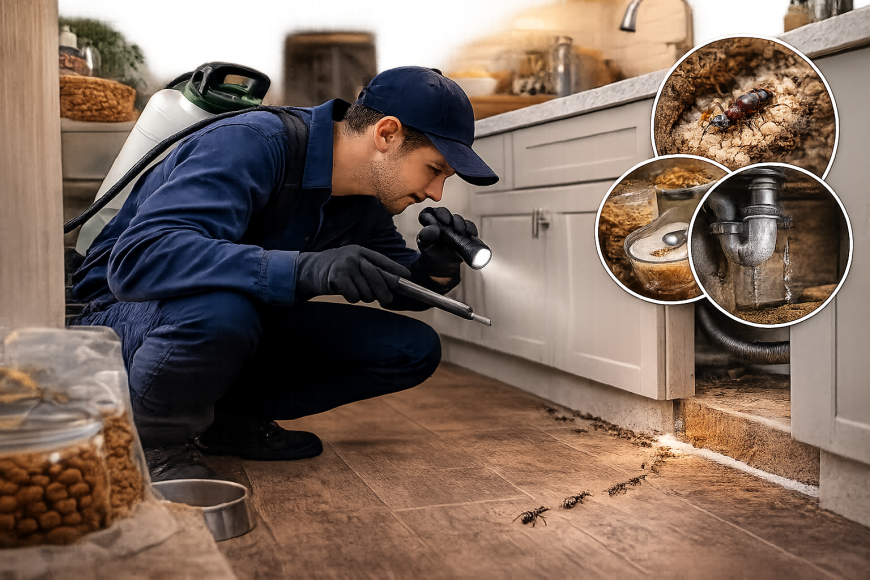
Many homeowners become frustrated when ants keep showing up after using DIY treatments. You spray the ants, clean the area, and place bait stations, but a few days later they seem to be back again. This is a common problem for homeowners throughout Wilmington, Delaware and surrounding communities.
The truth is that most DIY ant treatments only provide temporary relief. While they may reduce the number of visible ants, they often fail to eliminate the source of the infestation. Understanding why ants return can help homeowners choose more effective solutions. At Delaware Pest Pros helps homeowners get rid of ants and keep their homes ant-free.
Understanding How Ant Colonies Operate
Ants live in organized colonies that can contain thousands of individual insects. Most of the ants homeowners see are worker ants searching for food and water. These workers travel away from the nest and follow scent trails that lead them back to the colony.
The queen ant remains hidden inside the nest and is responsible for producing new ants. As long as the queen survives, the colony can continue growing. This is one reason DIY treatments often fail. Killing worker ants does not necessarily affect the queen or the rest of the colony.
DIY Sprays Usually Kill Only Visible Ants
One of the most common mistakes homeowners make is relying entirely on ant sprays. These products can kill ants on contact and may seem effective at first. However, sprays usually affect only the ants that are visible at the moment.
The larger colony often remains untouched. Within a short time, more worker ants emerge from the nest and continue searching for food. This creates the impression that the infestation never went away. In reality, the colony simply replaced the ants that were lost.
The Queen Ant Often Survives
The queen plays the most important role in the colony. She lays eggs and maintains the ant population. If the queen remains alive, the colony can continue producing thousands of new ants over time.
Most store-bought products do not reach the queen because she is hidden deep within the nest. Even when large numbers of worker ants are eliminated, the queen can continue producing replacements. This is one of the biggest reasons ants return after DIY treatments.
Ant Nests Are Often Hidden
Many homeowners assume the nest is somewhere inside the kitchen. However, ant colonies are often located outside the home. They may be hidden under sidewalks, near foundations, beneath landscaping, or inside wall voids.
Because the nest is difficult to locate, homeowners often focus on treating visible ant activity rather than eliminating the colony itself. Without targeting the nest, ant problems frequently return.
Incorrect Bait Usage Reduces Results
Ant bait can be effective when used correctly. However, many homeowners unknowingly use bait improperly. Placing bait in the wrong location or removing it too soon can prevent it from reaching the colony.
Successful bait treatments require patience. Worker ants need time to carry the bait back to the nest and share it with other ants. When the process is interrupted, the colony may survive and continue producing new workers.
Food Sources Continue Attracting Ants
Even after treatment, ants may continue entering the home if food sources remain available. Crumbs, sugary drinks, grease, pet food, and open food containers can attract worker ants searching for resources.
A clean kitchen can help reduce ant activity significantly. However, many homeowners overlook hidden food sources behind appliances, inside cabinets, or beneath furniture. These overlooked areas can continue attracting ants long after treatment.
Moisture Problems Encourage Ant Activity
Ants need water just as much as food. Leaking pipes, dripping faucets, wet sponges, and damp areas under sinks can provide the moisture ants need to survive.
Homes with ongoing moisture issues often experience recurring ant problems. Fixing leaks and reducing excess moisture can make a property less attractive to ants and improve the effectiveness of pest control efforts.
Multiple Colonies May Be Present
Some ant species establish multiple colonies in the same area. This means homeowners may eliminate one colony while several others remain nearby. As a result, ants continue appearing even after treatment.
Multiple colonies can make ant control more challenging. Professional inspections help identify the extent of the infestation and determine whether multiple nests are contributing to the problem.
Seasonal Changes Affect Ant Behavior
Ant activity often changes throughout the year. During warmer months, ants become more active and search for food more aggressively. Heavy rain and extreme temperatures may also drive ants indoors.
Homeowners sometimes believe a treatment failed when seasonal conditions are actually increasing ant activity. Understanding these patterns can help explain why ants seem to return unexpectedly.
Why Professional Ant Control Is More Effective
Professional pest control focuses on eliminating the entire colony rather than simply treating visible ants. Experienced technicians identify the ant species, locate nesting sites, and develop treatment plans based on the specific infestation.
This targeted approach helps address the root cause of the problem. Professional treatments often include colony elimination, exclusion techniques, and preventive measures that reduce the likelihood of future infestations.
How Delaware Pest Pros Helps Homeowners
Delaware Pest Pros provides professional ant control services for homeowners throughout Wilmington and surrounding Delaware communities. Our team understands the habits of local ant species and uses proven strategies to eliminate infestations.
We begin with a detailed inspection to identify nesting locations, entry points, and contributing factors. From there, we develop customized treatment plans designed to provide long-term relief and help keep ants from returning.
Preventing Future Ant Infestations
Long-term prevention starts with good housekeeping habits. Regular cleaning, proper food storage, moisture control, and sealing entry points can help reduce the chances of future infestations.
Routine pest inspections also play an important role. Early detection allows homeowners to address minor ant activity before it develops into a larger and more difficult problem.
Frequently Asked Questions
Why do ants keep coming back after I spray them?
Most sprays kill only visible ants. The queen and colony often survive, allowing new worker ants to replace those that were eliminated.
Are store-bought ant baits effective?
They can be effective when used properly. However, incorrect placement or early removal may reduce their effectiveness.
How do I find an ant nest?
Ant nests are often hidden underground, inside walls, beneath landscaping, or near foundations. Professional inspections are often the most reliable way to locate them.
Why do ants return every year?
Seasonal changes, nearby colonies, food sources, and moisture issues can contribute to recurring infestations.
When should I contact a pest control company?
If ants continue returning despite repeated DIY treatments, professional pest control can help identify and eliminate the root cause of the infestation.
Conclusion
Ants often return after DIY treatments because the underlying colony remains active. Hidden nests, surviving queens, food sources, moisture problems, and improper treatment methods can all contribute to recurring infestations.
If you are tired of dealing with the same ant problem over and over again, professional assistance may be the most effective solution. Delaware Pest Pros proudly serves homeowners throughout Wilmington, Delaware with reliable ant control services designed to eliminate infestations and provide long-term protection. Contact Delaware Pest Pros today to schedule an inspection and enjoy a cleaner, ant-free home.