Common Myths About Teeth Whitening Debunked
Debunk common teeth whitening myths and learn the truth about safety, results, and effectiveness. Get expert insights for a brighter, healthier smile.
 mydentaltouch
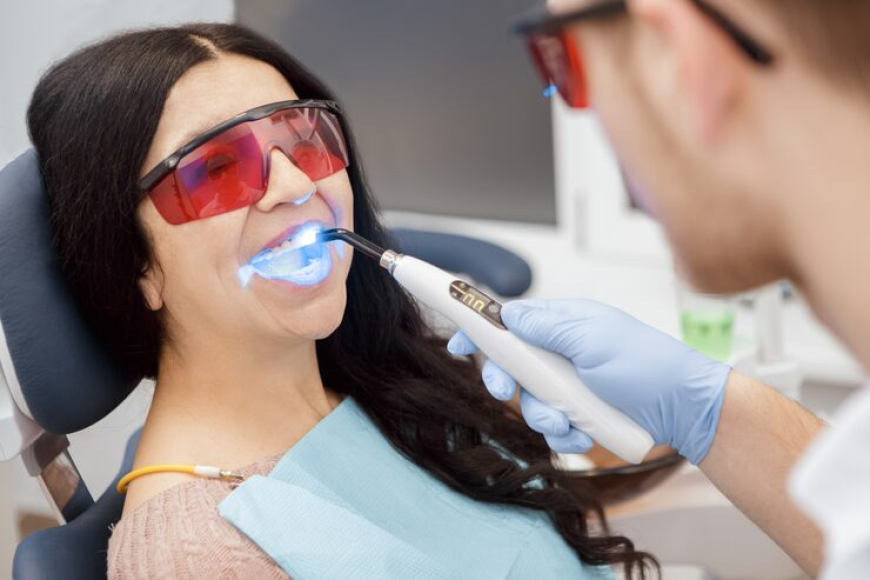
Teeth whitening has become one of the most popular cosmetic dental treatments in recent years. With growing awareness of oral aesthetics and the influence of social media, more people than ever want a brighter, whiter smile. Despite its popularity, teeth whitening is still surrounded by confusion, misinformation, and long-standing myths. Many patients hesitate to pursue treatment because they are unsure whether it is safe, effective, or suitable for them. Others rely on home remedies or over-the-counter products based on misleading claims, often with disappointing or even harmful results.
Understanding the truth behind teeth whitening is essential for making informed decisions about your oral health. This article aims to debunk the most common myths about teeth whitening, explain how professional whitening actually works, and help patients feel confident about choosing the right treatment. When myths are replaced with facts, patients are better equipped to achieve safe, long-lasting, and beautiful results.
Myth 1: Teeth Whitening Damages Tooth Enamel
One of the most widespread myths about teeth whitening is that it weakens or permanently damages tooth enamel. This belief often stems from confusion between professional dental whitening and improper use of unregulated products. In reality, professionally administered teeth whitening treatments are designed to be both safe and effective when performed under dental supervision.
Professional whitening agents primarily use hydrogen peroxide or carbamide peroxide in carefully controlled concentrations. These compounds penetrate the enamel to break down stain molecules without altering the tooth’s structure. Enamel is a highly mineralized substance and does not dissolve or erode during professional whitening. Dentists also evaluate enamel health before recommending treatment, ensuring that whitening is only performed when it is appropriate.
Problems tend to arise when individuals overuse whitening products, apply them incorrectly, or rely on unverified home remedies. These practices can cause temporary sensitivity or irritation, which is often mistaken for enamel damage. When whitening is done correctly and in moderation, enamel remains intact and healthy.
Myth 2: Teeth Whitening Results Are Permanent
Another common misconception is that teeth whitening produces permanent results that never fade. While professional whitening can dramatically brighten teeth, the results are not permanent. Teeth naturally absorb pigments from food, drinks, and lifestyle habits over time, which can gradually dull their appearance.
Beverages such as coffee, tea, red wine, and soda are known to stain teeth, as are foods with strong color pigments. Smoking and tobacco use significantly accelerate discoloration. Even with excellent oral hygiene, natural aging causes enamel to thin slightly, allowing the darker dentin beneath to show through more prominently.
The good news is that professional teeth whitening results can last for a long time with proper care. Many patients enjoy brighter teeth for one to three years, depending on their habits. Touch-up treatments, good brushing and flossing routines, and avoiding stain-causing substances help maintain results. Understanding that whitening is not permanent allows patients to set realistic expectations and plan for long-term maintenance.
Myth 3: Over-the-Counter Whitening Products Are Just as Effective as Professional Treatments
Over-the-counter whitening products are widely available and heavily marketed, leading many people to believe they offer the same results as professional treatments at a lower cost. While these products may provide mild improvements, they are not equivalent to dentist-supervised whitening.
Store-bought strips, gels, and toothpaste contain significantly lower concentrations of whitening agents. This limits their ability to remove deeper stains and often results in uneven whitening. Additionally, these products are designed for general use and do not account for individual dental conditions such as sensitivity, restorations, or gum health.
Professional teeth whitening is customized to each patient. Dentists use stronger but safe whitening agents and apply protective measures to safeguard gums and soft tissues. They also ensure even color distribution and address underlying issues that may affect results. While over-the-counter products may help maintain brightness after professional treatment, they rarely achieve the same level of whitening on their own.
Myth 4: Teeth Whitening Is Unsafe for Sensitive Teeth
Many people with sensitive teeth assume that whitening will worsen their discomfort or cause significant pain. While temporary sensitivity can occur, this does not mean whitening is unsafe for sensitive teeth. In fact, dentists frequently treat patients with sensitivity by adjusting the whitening approach.
Sensitivity during whitening usually occurs because the whitening agent temporarily opens microscopic pores in the enamel, allowing stimulation of the nerves inside the tooth. This sensation is typically short-lived and resolves once treatment ends. Dentists can minimize sensitivity by using desensitizing agents, lowering the concentration of whitening gel, or recommending shorter treatment sessions.
Patients with pre-existing sensitivity should never self-diagnose or self-treat. A dental evaluation ensures that sensitivity is not caused by cavities, gum recession, or enamel erosion. When whitening is tailored to the patient’s needs, even those with sensitive teeth can safely achieve noticeable results.
Myth 5: Natural or DIY Whitening Methods Are Safer Than Professional Treatments
Home remedies such as baking soda, lemon juice, charcoal, or hydrogen peroxide rinses are often promoted as natural and safe alternatives to professional whitening. While these methods may seem harmless, they can be highly abrasive or acidic, leading to enamel erosion, gum irritation, and long-term damage.
Baking soda, for example, can remove surface stains but is abrasive and may wear down enamel if used frequently. Lemon juice and other acidic substances weaken enamel, making teeth more susceptible to staining and sensitivity. Charcoal products lack sufficient scientific evidence to support their safety and effectiveness and may cause uneven results.
Professional whitening treatments are extensively tested and regulated. Dentists use materials that are proven to whiten teeth without compromising oral health. Choosing professional care over unverified home remedies ensures both safety and effectiveness.
Myth 6: Teeth Whitening Works on All Types of Discoloration
Not all tooth discoloration responds equally to whitening. This myth leads to unrealistic expectations and disappointment when results vary. Teeth stains fall into two main categories: extrinsic and intrinsic. Extrinsic stains occur on the surface of the teeth and are caused by food, drinks, and smoking. These stains respond very well to whitening treatments.
Intrinsic stains originate within the tooth structure and may result from trauma, medication use, or developmental conditions. While professional whitening can improve some intrinsic stains, results may be limited depending on the cause and severity. In such cases, alternative cosmetic treatments such as veneers or bonding may be recommended.
A dental consultation is essential for determining the type of discoloration and selecting the most appropriate treatment. Whitening is highly effective for many patients, but it is not a universal solution for every type of stain.
Myth 7: Whitening Toothpaste Can Dramatically Whiten Teeth
Whitening toothpaste is often misunderstood. Many people believe it can significantly whiten teeth on its own, but this is not the case. Whitening toothpaste works by using mild abrasives or chemical agents to remove surface stains. It does not change the natural color of the teeth or address deeper discoloration.
These toothpastes are best used as a maintenance tool rather than a primary whitening solution. After professional whitening, whitening toothpaste can help preserve brightness by preventing new surface stains from building up. However, relying solely on toothpaste for dramatic whitening will lead to unrealistic expectations.
Understanding the limitations of whitening toothpaste helps patients make better choices about their oral care routine and avoid frustration.
Myth 8: Teeth Whitening Is Only for Cosmetic Purposes
While teeth whitening is considered a cosmetic treatment, its benefits often extend beyond appearance. A brighter smile can improve self-confidence, enhance social interactions, and positively impact professional opportunities. Many patients report feeling more motivated to maintain good oral hygiene after whitening, leading to better overall dental health.
Additionally, professional whitening often involves a comprehensive dental evaluation, which can identify underlying issues such as cavities, gum disease, or enamel wear. Addressing these concerns contributes to long-term oral health. Whitening is not merely about aesthetics; it can play a role in encouraging healthier habits and increased dental awareness.
Myth 9: All Teeth Whitening Treatments Are the Same
Teeth whitening is not a one-size-fits-all procedure. Treatments vary significantly depending on the method, materials used, and level of professional involvement. In-office whitening offers immediate and dramatic results under controlled conditions. Take-home professional kits provide gradual whitening with custom-fitted trays, ensuring even application and comfort.
The effectiveness of whitening depends on factors such as tooth structure, type of staining, lifestyle habits, and adherence to aftercare instructions. Assuming that all whitening treatments produce identical results overlooks the importance of customization and professional guidance.
Choosing the right whitening method requires consultation with a dental professional who can assess individual needs and recommend the most suitable option.
Myth Ten: Teeth Whitening Is Only for Young People
Teeth whitening is often associated with younger individuals, but age is not a limiting factor. Adults of all ages can benefit from whitening, provided their teeth and gums are healthy. In fact, older adults frequently seek whitening to counteract years of accumulated staining and natural discoloration.
Dental professionals evaluate factors such as enamel thickness, restorations, and overall oral health before recommending treatment. With proper assessment and customization, teeth whitening can be safe and effective for patients across a wide age range.
Understanding the Role of Professional Guidance
The common thread behind many teeth whitening myths is the absence of professional guidance. Misinformation spreads easily when treatments are marketed directly to consumers without proper education. Dentists play a crucial role in separating myths from facts, ensuring that whitening is performed safely and effectively.
Professional guidance includes evaluating oral health, selecting appropriate whitening agents, managing sensitivity, and providing aftercare instructions. This level of care not only improves results but also protects long-term dental health.
The Importance of Realistic Expectations
One of the most important aspects of teeth whitening is setting realistic expectations. Whitening can significantly enhance the brightness of your smile, but it does not create artificial perfection. Natural variations in tooth color, shape, and translucency remain, contributing to an authentic and healthy appearance.
Patients who understand what whitening can and cannot achieve are more satisfied with their results. Open communication with a dental professional ensures clarity, confidence, and positive outcomes.
Conclusion
Teeth whitening is a safe, effective, and widely trusted cosmetic dental treatment when guided by professional expertise. Many of the myths surrounding whitening arise from misinformation, misuse of products, or unrealistic expectations. By understanding the facts, patients can make informed decisions that protect their oral health while enhancing their smile.
At My Dental Touch, we prioritize patient education and personalized care. Our professional teeth whitening treatments are designed to deliver beautiful, natural-looking results while maintaining the health and integrity of your teeth. If you are considering whitening and have concerns based on common myths, a consultation can provide clarity and confidence.
A brighter smile begins with accurate information, professional guidance, and a commitment to long-term oral health.