Cleaning Equipment Designed for Sterility and Medical-Grade Purity
Designed to remove contaminants, prevent infections, and protect patients and staff alike, medical-grade cleaning equipment plays a crucial role in creating a sterile and safe environment.
 livingstoneinternational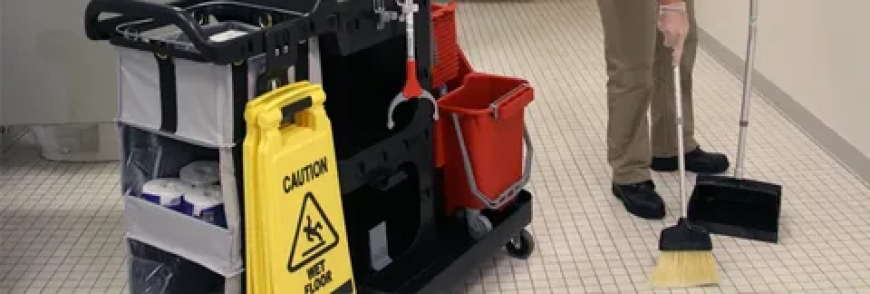
In the world of healthcare, cleanliness is not optional—it’s essential. Every surface, instrument, and space within a medical environment must uphold the highest standards of hygiene. The cornerstone of this hygiene lies in the cleaning equipment that healthcare professionals rely on daily. Designed to remove contaminants, prevent infections, and protect patients and staff alike, medical-grade cleaning equipment plays a crucial role in creating a sterile and safe environment. Let’s explore how today’s cleaning technologies are engineered for sterility, safety, and medical-grade purity, and why trusted suppliers like Livingstone International are leading the way in reliable hygiene solutions.
The Role of Cleaning Equipment in Medical Environments
Hospitals, clinics, laboratories, and aged care facilities demand more than just clean spaces — they require sterile environments free from microorganisms that can cause infections or cross-contamination. Cleaning equipment in these settings must perform at a medical-grade standard, meaning it removes not only visible dirt but also microscopic pathogens.
Essential cleaning tools such as sterile wipes, disinfectant sprayers, ultrasonic cleaners, floor scrubbers, and sterilisation units are designed with advanced materials and technologies that meet stringent healthcare protocols. Unlike regular cleaning gear, these are built to withstand harsh disinfectants, ensure non-reactive surfaces, and provide consistent sterilisation performance.
Key Features of Medical-Grade Cleaning Equipment
Not all cleaning tools are created equal. Medical-grade equipment is specifically designed to address the challenges of healthcare hygiene, offering features that make a tangible difference in maintaining sterility:
1. High-Temperature and Chemical Resistance
Medical facilities often use strong disinfectants and sterilising agents. Cleaning equipment made from high-grade stainless steel, chemical-resistant plastics, and antimicrobial materials ensures that tools last longer without degrading under exposure to heat or chemicals.
2. Easy-to-Sanitise Surfaces
Surfaces that are smooth, non-porous, and easy to wipe down are critical in healthcare. Cleaning equipment with seamless construction minimizes bacteria buildup in joints or corners, reducing the risk of microbial contamination.
3. HEPA-Filtered Cleaning Systems
For air-sensitive areas like surgical theatres and laboratories, HEPA-filtered vacuum systems help trap airborne particles, pathogens, and dust—maintaining sterile air quality.
4. Ergonomic and Safe Design
From autoclavable tools to touch-free cleaning systems, safety and user comfort are integral. Ergonomic handles, lightweight builds, and automated functions ensure consistent cleaning while minimising human error.
5. Compliance with Medical Standards
Reliable cleaning equipment adheres to international standards such as ISO 13485, TGA, and CE certifications. These certifications assure healthcare facilities that the equipment is designed and tested for medical use.
Why Sterility Matters More Than Ever
Infection control has always been a priority in healthcare, but the recent global health challenges have amplified its importance. The rise of hospital-acquired infections (HAIs)—caused by bacteria, viruses, and fungi—poses serious threats to patient safety. According to the World Health Organisation (WHO), millions of patients each year are affected by HAIs, many of which are preventable through proper cleaning and sterilisation practices.
This underscores the vital role of medical cleaning equipment. Every wipe, scrub, and sterilization cycle contributes to reducing infection risk, protecting vulnerable patients, and ensuring compliance with hygiene regulations. Sterility is not a luxury; it’s a necessity for safety and trust.
Advanced Cleaning Technologies Transforming Healthcare
Modern innovation has taken medical cleaning equipment to the next level. Healthcare facilities now benefit from a range of automated and precision-based systems that guarantee consistent, repeatable results.
-
Ultrasonic Cleaners: Use sound waves to remove contaminants from surgical instruments and lab tools with microscopic precision.
-
Steam Sterilisers: Offer chemical-free cleaning through high-pressure steam that kills bacteria, spores, and viruses effectively.
-
UV-C Disinfection Systems: Harness ultraviolet light to eliminate pathogens on surfaces without the need for chemicals.
-
Autoclavable Cleaning Accessories: Allow easy sterilisation of brushes, handles, and cloths for repeated, hygienic use.
-
Smart Cleaning Robots: Deployed in large facilities to maintain consistent cleanliness in hallways, patient rooms, and labs.
These innovations reflect the future of healthcare hygiene—efficient, automated, and data-driven cleaning that leaves no room for error.
Sustainability in Medical Cleaning Equipment
Sustainability and sterility are no longer opposing goals. Modern medical cleaning equipment is being developed with eco-conscious materials and low-energy technologies. Hospitals and laboratories are increasingly investing in:
-
Reusable microfiber systems to reduce disposable waste.
-
Water-saving floor cleaning machines that minimise resource usage.
-
Energy-efficient sterilisers that cut down on power consumption while maintaining high sterilisation efficacy.
Livingstone International, a pioneer in healthcare consumables and cleaning solutions, emphasises sustainable sourcing and eco-friendly innovation—ensuring that hygiene standards are met without compromising the planet.
Applications Across Medical and Allied Fields
Medical-grade cleaning equipment isn’t limited to hospitals alone. It supports a wide range of healthcare and scientific sectors:
-
Dental Clinics: Ensuring sterile treatment rooms and clean instruments.
-
Pathology Labs: Maintaining contamination-free workspaces for accurate testing.
-
Pharmaceutical Manufacturing: Meeting GMP (Good Manufacturing Practice) cleaning standards.
-
Aged Care Facilities: Supporting infection prevention for vulnerable populations.
-
Veterinary Clinics: Providing clean environments for both animals and staff.
Each of these sectors depends on precision cleaning tools that uphold sterility and safety every single day.
Choosing the Right Cleaning Equipment Supplier
Selecting a trusted supplier is just as important as selecting the right cleaning equipment. Healthcare institutions should look for:
-
Quality Assurance and Certification Compliance
-
Reliable Supply Chain and Stock Availability
-
Expert Customer Support and Product Training
-
Customizable Cleaning Solutions for Specific Facility Needs
This is where Livingstone International stands out as an industry leader. With decades of expertise in medical consumables, cleaning equipment, and infection control solutions, Livingstone provides hospitals, clinics, and laboratories with products that meet the strictest hygiene and safety standards.
Conclusion:
Sterility and medical-grade purity define the foundation of safe healthcare practices. From surgical theatres to diagnostic labs, every corner of the medical world relies on effective cleaning equipment to uphold patient safety and operational excellence. Livingstone International continues to empower healthcare professionals with high-quality, tested, and certified cleaning equipment designed for performance, reliability, and sustainability. By integrating cutting-edge hygiene technology with trusted craftsmanship, Livingstone ensures every medical space is protected—today, tomorrow, and beyond.