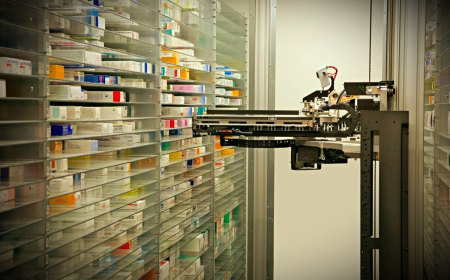
CIRI: Advancing Integrated Research for a Smarter Future
This article explores how CIRI is transforming modern healthcare and research through an integrated approach that combines advanced technology, multidisciplinary collaboration, and data-driven innovation. It highlights the institute’s role in bridging research and real-world clinical practice while promoting precision, quality, and sustainable healthcare solutions for the future.
 cityimaging
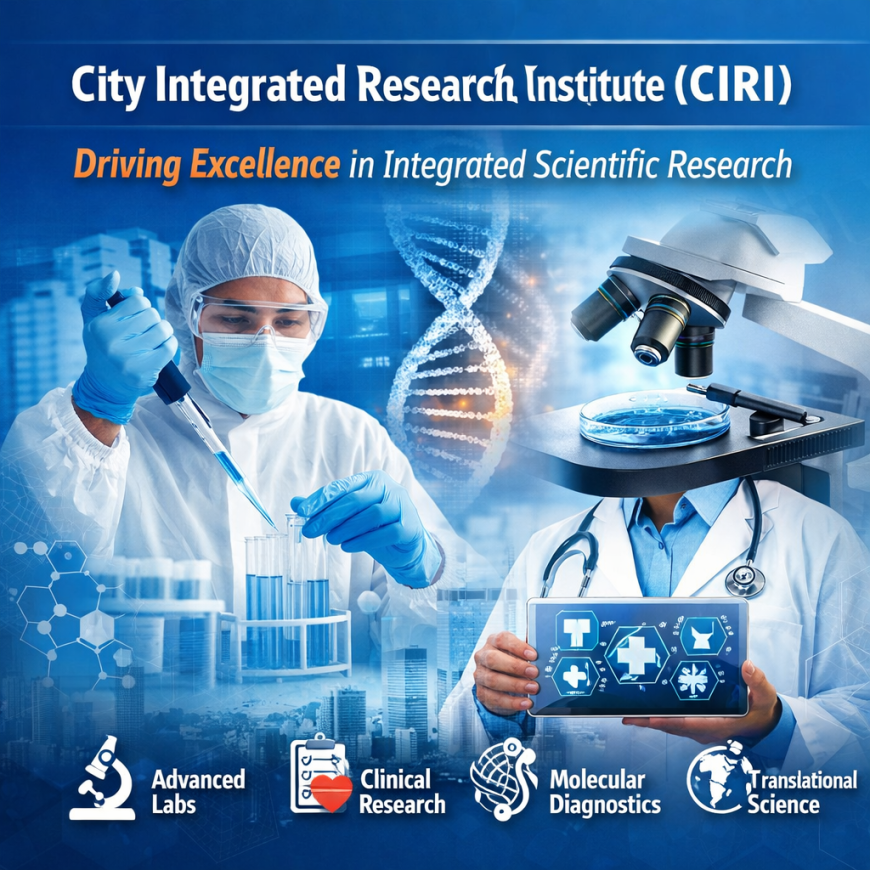
In today’s rapidly evolving healthcare and research landscape, innovation is no longer optional—it is essential. Institutions that combine technology, expertise, and collaboration are shaping the future of diagnostics, treatment, and scientific discovery. Among these pioneers stands the City Integrated Research Institute, widely recognized for its multidisciplinary approach and commitment to excellence. After decades of fragmented systems and isolated research models, CIRI has emerged as a unifying force that integrates clinical practice, laboratory science, and advanced analytics under one powerful ecosystem.
The Need for Integrated Research
Modern healthcare challenges are complex. From chronic diseases to emerging infections, solving these issues requires collaboration across multiple disciplines. Traditional research centers often operate in silos—radiology departments separated from pathology labs, data teams disconnected from clinicians, and researchers working independently from real-world patient care.
An integrated model eliminates these barriers. It enables experts from different domains to work together, share data, and accelerate innovation. This is where CIRI distinguishes itself. By connecting clinical services, advanced diagnostics, and research initiatives, the institute ensures that discoveries are quickly translated into practical healthcare solutions.
What Makes CIRI Unique?
1. Multidisciplinary Collaboration
CIRI brings together doctors, radiologists, scientists, technologists, and researchers on one platform. This collaborative structure fosters faster problem-solving and more accurate diagnoses. Instead of isolated evaluations, patient cases are assessed through a collective lens, improving outcomes and efficiency.
2. Advanced Diagnostic Technology
Technology plays a central role in integrated research. CIRI leverages cutting-edge imaging systems, molecular diagnostics, and AI-powered tools to enhance precision. By combining imaging results with laboratory data and clinical assessments, the institute creates a comprehensive view of patient health.
3. Research-Driven Healthcare
Unlike institutions that treat research as a secondary activity, CIRI embeds research into daily clinical operations. This approach ensures that patient care continuously benefits from the latest scientific advancements. Clinical trials, pilot studies, and innovation projects are seamlessly integrated into the workflow.
Driving Innovation Through Data
Data is the backbone of modern research. However, raw data alone does not create impact—insight does. CIRI utilizes integrated data management systems to collect, analyze, and interpret large volumes of healthcare information.
Through advanced analytics and AI algorithms, patterns can be identified early, helping in predictive diagnostics and preventive healthcare. This data-driven ecosystem supports evidence-based decision-making and enhances treatment personalization.
For example, combining radiology imaging with laboratory findings can provide a more accurate diagnosis than either approach alone. This integrated methodology reduces errors, shortens turnaround times, and improves patient satisfaction.
Bridging the Gap Between Research and Real-World Care
One of the biggest challenges in healthcare research is translating laboratory findings into real-world practice. Many discoveries remain confined to academic journals without reaching patients who need them most. CIRI addresses this challenge by operating as both a research institution and a clinical service provider. The close interaction between scientists and clinicians ensures that research findings are rapidly implemented in patient care protocols.
This seamless integration results in:
- Faster adoption of innovative diagnostic tools
- Continuous improvement in clinical guidelines
- Real-time feedback loops between practice and research
- Enhanced patient safety and treatment accuracy
Commitment to Quality and Precision
Quality assurance is a cornerstone of integrated research. CIRI maintains rigorous protocols across all departments to ensure accuracy, reliability, and safety. Standardized processes and continuous audits help maintain high operational standards.
Moreover, the institute invests in staff training and professional development. Continuous learning programs keep healthcare professionals updated on emerging technologies and global best practices. This culture of excellence strengthens both research outcomes and patient trust.
Empowering Preventive Healthcare
Preventive care is becoming increasingly important in modern healthcare systems. Instead of focusing solely on treatment, integrated research models emphasize early detection and risk assessment.
CIRI supports preventive healthcare by:
- Offering comprehensive diagnostic packages
- Conducting population health studies
- Promoting early screening initiatives
- Utilizing predictive analytics to identify risk factors
By detecting potential health issues early, patients receive timely interventions, reducing long-term complications and healthcare costs.
Community Impact and Accessibility
An institution’s success is measured not only by its research output but also by its societal impact. CIRI actively works to improve healthcare accessibility through outreach programs, awareness campaigns, and affordable diagnostic solutions.
The integration of research with community health initiatives ensures that innovation benefits a broader population. By collaborating with local healthcare providers and policymakers, CIRI contributes to building stronger, more resilient healthcare systems.
Technology, Ethics, and Responsibility
With advanced technology comes responsibility. CIRI prioritizes ethical research practices and data security. Patient confidentiality, informed consent, and transparent research methodologies are strictly upheld.
In the era of artificial intelligence and big data, maintaining ethical standards is crucial. By balancing technological advancement with responsible governance, the institute builds long-term credibility and public confidence.
The Future of Integrated Research
Healthcare is rapidly moving toward personalized medicine, digital diagnostics, and AI-assisted decision-making. Institutions that fail to adapt may struggle to keep pace with innovation.
CIRI continues to evolve by investing in emerging technologies such as machine learning, telemedicine integration, and genomic research. The focus remains on creating a cohesive ecosystem where research, diagnostics, and clinical services operate in harmony.
The future vision emphasizes:
- Precision medicine and individualized treatment plans
- Seamless digital health records
- Cross-border research collaborations
- Sustainable healthcare innovation
By staying ahead of global trends, CIRI positions itself as a leader in integrated research and healthcare excellence.
Conclusion
The transformation of healthcare depends on institutions that embrace integration, collaboration, and innovation. The City Integrated Research Institute has demonstrated how a unified approach can break down silos, enhance diagnostic accuracy, and accelerate scientific discovery. Combining technology, research expertise, and patient-centered care creates a model for the future of healthcare. As challenges in medicine continue to evolve, the role of CIRI becomes even more critical. Its commitment to integrated research, data-driven innovation, and community impact ensures sustainable progress and improved patient outcomes. In a world that demands smarter healthcare solutions, CIRI stands as a beacon of excellence and forward-thinking leadership.