Choosing Ski and Snowboard Goggles That Actually Improve Your Time on the Mountain
 press
press
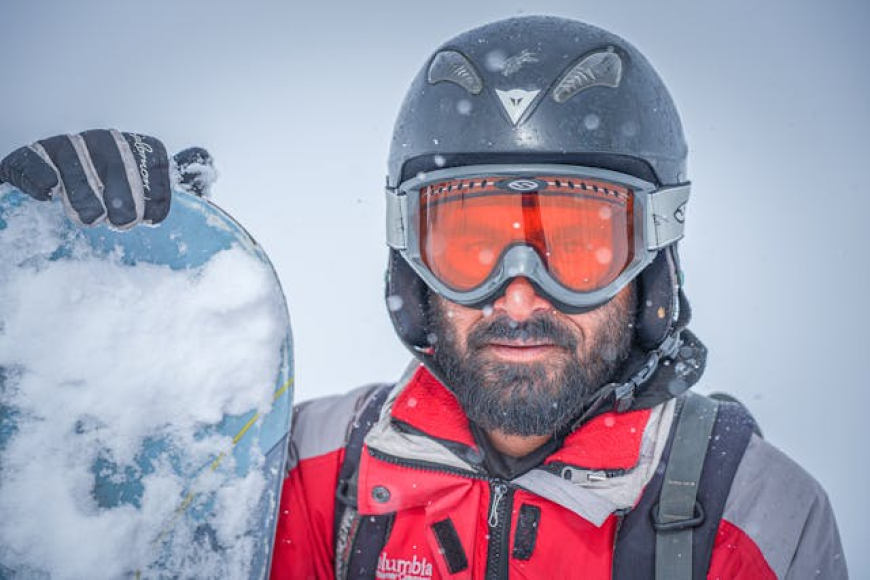
When people prepare for a ski or snowboard trip, they often focus on the obvious essentials: jackets, pants, helmets, and boots. Goggles, however, are sometimes treated as an afterthought—until weather changes or visibility drops and they suddenly become the most important piece of gear you own. The right ski or snowboard goggles can dramatically improve comfort, safety, and overall enjoyment on the mountain.
Modern goggles are no longer just about blocking wind and snow. They’re precision-designed tools built to handle changing light, harsh conditions, and long days outdoors. Understanding what makes a quality pair can help you make a smarter choice and avoid common frustrations once you’re already on the slopes.
Why Goggles Matter More Than You Think
Skiing and snowboarding expose your eyes to a unique mix of challenges: bright sunlight reflecting off snow, sudden fog, freezing temperatures, and fast-moving air. Goggles serve as a protective barrier, but they also play a key role in how well you can read terrain and react quickly.
Poor visibility doesn’t just reduce enjoyment—it increases risk. Flat light, glare, or fogged lenses can make it difficult to see bumps, ice patches, or changes in slope. Well-designed goggles help maintain consistent clarity so you can focus on your movement instead of constantly adjusting your gear.
Lens Technology and Visibility
One of the most important elements of any ski or snowboard goggle is the lens. Different lighting conditions demand different lens properties, and not all goggles handle variability equally well.
High-quality lenses are designed to:
-
Reduce glare from sun and snow reflection
-
Enhance contrast so terrain features stand out
-
Adapt better to changing light throughout the day
Some riders prefer lenses optimized for bright, bluebird days, while others prioritize performance in overcast or snowy conditions. If you ride in mixed weather, versatility becomes especially valuable. Clear vision helps reduce eye strain and fatigue, allowing you to stay comfortable for longer sessions.
Fog Resistance Is Non-Negotiable
Few things are more frustrating than goggles fogging up mid-run. Fog occurs when warm air from your face meets cold lenses, and it’s one of the biggest performance issues riders face.
Effective anti-fog design usually includes:
-
Double-lens construction – Creates insulation between temperature zones
-
Ventilation systems – Helps regulate airflow without letting in snow
-
Anti-fog coatings – Reduce moisture buildup on the inner lens
When these elements work together, fog becomes far less of an issue, even during intense riding or changing weather.
Fit, Comfort, and Helmet Compatibility
Even the best lens technology won’t matter if goggles don’t fit properly. Comfort is essential, especially for full-day rides. Goggles should sit evenly on your face without pressure points and seal well around the edges to keep out wind and snow.
Key fit considerations include:
-
Foam padding that conforms comfortably to your face
-
Adjustable straps that stay secure without slipping
-
Compatibility with your helmet to avoid gaps or pressure
A poor fit can lead to cold air leaks, discomfort, and constant adjustments. A good fit, on the other hand, disappears once you start riding—you barely notice the goggles at all.
Style Meets Function on the Slopes
While performance should always come first, style still matters. Goggles are one of the most visible parts of your snow setup, and many riders want something that reflects their personality.
Modern designs often balance clean aesthetics with technical features. Subtle colorways, streamlined frames, and thoughtful proportions allow goggles to look good without sacrificing performance. When style and function align, you don’t have to compromise one for the other.
Investing in Gear You Can Trust
Ski and snowboard gear is subjected to extreme conditions, from freezing temperatures to repeated impacts and moisture exposure. Durability is essential. Goggles made with quality materials and solid construction tend to last longer and perform more consistently over time.
Exploring collections such as Ski & snowboard goggles by Detour can offer insight into how modern brands approach durability, lens performance, and everyday usability without overcomplicating the experience.
How to Choose the Right Goggles for Your Riding Style
Before buying, it helps to think about how you actually ride. Someone who spends most of their time cruising groomers may prioritize different features than someone who rides aggressively in variable terrain.
Ask yourself:
-
Do I ride mostly in bright sun or mixed weather?
-
Do I prefer a wider field of view?
-
How important is lightweight comfort for long days?
-
Will I wear these goggles casually or only during peak conditions?
Answering these questions helps narrow your options and prevents buying goggles that look good but don’t suit your needs.
Final Thoughts
Ski and snowboard goggles are one of the most impactful pieces of gear you’ll use on the mountain. The right pair enhances visibility, improves comfort, and allows you to ride with more confidence in changing conditions. Rather than treating goggles as an accessory, viewing them as essential performance equipment leads to better decisions and a better overall experience.
By focusing on lens quality, fog resistance, fit, and durability, you can choose goggles that support your riding instead of distracting from it—run after run, season after season.