Cargo to India: Air & Sea Shipping Guide
Shipping cargo to India? Compare air and sea freight options, costs, transit times, and expert tips for a smooth, reliable delivery
 Real Success
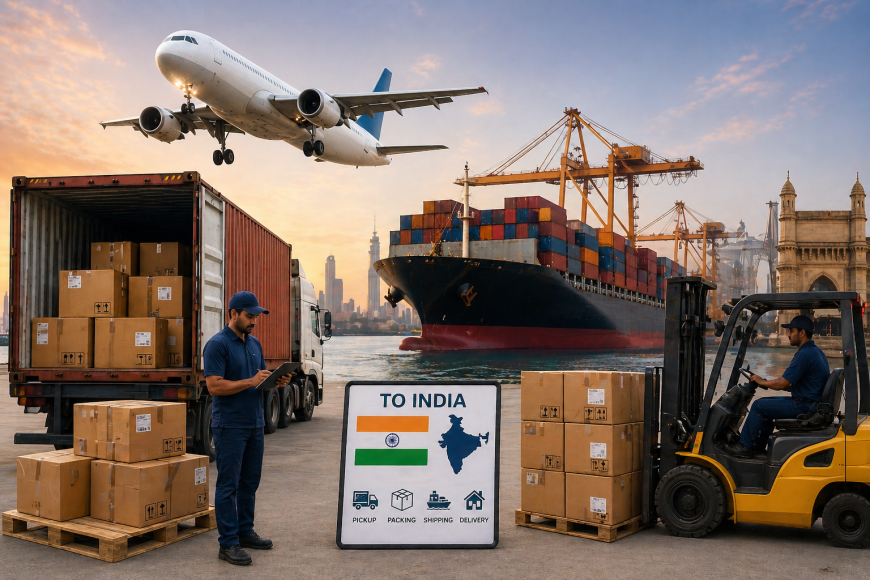
Sending cargo to India involves more decisions than most people expect, from choosing between air and sea freight to getting the documentation right so customs clearance goes smoothly. Whether you're a business shipping commercial goods, a family sending personal belongings, or an importer managing regular consignments, understanding the process up front saves both time and money.
This guide covers how shipping cargo to India actually works, what affects cost and timing, and how to avoid the mistakes that trip up first-time shippers.
Air or Sea: Choosing the Right Option for India
The first real decision when shipping cargo to India is whether to send it by air or sea, and the right choice usually comes down to urgency and shipment size.
Air freight is the faster option, typically reaching major Indian airports within two to five days depending on the origin and connecting flights required. It suits urgent commercial shipments, documents, perishable goods, and smaller high-value items where the extra cost is worth the speed.
Sea freight takes considerably longer, generally three to six weeks depending on the departure and destination ports, but it's significantly cheaper for larger volumes. It's the standard choice for household relocations, bulk commercial goods, and machinery, where cost matters more than speed.
Major Ports and Airports Handling India-Bound Cargo
Nhava Sheva, also known as Jawaharlal Nehru Port, near Mumbai handles a large share of India's container traffic and is well equipped for international sea freight. Chennai and Kolkata also receive significant volumes, particularly for shipments heading to southern and eastern India.
Indira Gandhi International Airport in Delhi and Chhatrapati Shivaji Maharaj International Airport in Mumbai serve as the two primary air cargo gateways. Choosing the right destination port or airport can affect both transit time and customs processing, so it's worth confirming with your forwarder which option best suits your shipment's final destination.
What People Commonly Ship to India
Cargo to India spans a wide range of categories, each with slightly different requirements. Commercial goods, including textiles, electronics, and machinery parts, make up a significant portion of shipments, often moving by sea freight for cost efficiency.
Personal and household shipments are common too, particularly among the Indian diaspora sending belongings home or relocating permanently. Vehicles are another frequent category, though they require specific documentation, including proof of ownership and compliance with India's import regulations, which are detailed and strictly enforced.
Practical Tips for Shipping Cargo to India
A handful of habits consistently make the difference between a smooth shipment and one that gets held up along the way.
Prepare accurate customs documentation before booking, since India's import regulations are detailed and missing paperwork is one of the most common reasons shipments get delayed at the port.
Consider a groupage service if your shipment doesn't fill a full container. Sharing container space with other shippers heading to the same destination keeps costs down without sacrificing reliability.
Declare the correct value of your goods on all documentation. Under-declaring to reduce fees often causes bigger problems with customs and insurance claims than the fees themselves would have.
Ask your forwarder about destination handling support, since navigating customs clearance in India is considerably easier with a local agent managing the process on the ground.
Benefits of Working with an Experienced Freight Forwarder
Trying to arrange shipping to India independently is possible, but a specialist forwarder brings real advantages that are hard to replicate alone. They typically have established relationships with airlines and shipping lines serving Indian routes, which usually means better rates than booking directly.
They also understand India's specific customs requirements, which reduces the risk of a shipment being held at the port or airport. Many forwarders offer tracking, insurance, and door-to-door delivery, handling everything from pickup to final delivery, which removes a significant amount of coordination for the shipper.
Common Mistakes to Avoid When Shipping to India
A few recurring mistakes cause the most frustration for people sending cargo to India.
Underestimating transit time is common, especially with sea freight, since port congestion at major hubs can occasionally extend timelines beyond the original quote. Building in a buffer of at least a week avoids unnecessary stress.
Skipping proper vehicle documentation is another frequent issue. India has specific import rules for vehicles, and missing certificates can hold a shipment at port for weeks.
Choosing a provider purely on price without checking what's included often backfires too. Some quotes exclude customs handling or destination fees, which then appear as unexpected costs once the shipment arrives.
Expert Advice for a Smoother Shipment
If you're shipping regularly to India, working with a forwarder who specializes in that specific trade lane pays off over time, since they'll already know the common holdups at major Indian ports and can plan around them.
For one-off shipments, it's worth confirming your forwarder's direct experience with India rather than assuming general international shipping experience covers it equally well. Import rules and documentation requirements are detailed enough that specific experience genuinely matters.
Frequently Asked Questions
How long does it take to ship cargo to India from the UK? Air cargo typically takes two to five days, while sea cargo generally takes three to six weeks depending on the departure and destination ports.
Is sea cargo cheaper than air cargo for shipping to India? Yes, sea cargo is significantly cheaper for larger shipments, though air cargo remains the better choice for urgent or smaller items.
What documents do I need to send cargo to India? Standard requirements include a commercial invoice, packing list, and bill of lading, along with any product-specific certificates required for customs clearance.
Can I ship a vehicle to India? Yes, but vehicle shipments require specific documentation, including proof of ownership and compliance with India's import regulations.
What is a groupage service, and when should I use it? Groupage combines smaller shipments from multiple customers into one container, making it a cost-effective option when you don't have enough volume for a full container.
Final Thoughts
Shipping cargo to India comes down to choosing the right mode of transport for your timeline and budget, then preparing accurate documentation to avoid delays at customs. Working with an experienced forwarder familiar with Indian ports and import rules makes the entire process considerably smoother.