Carbon Wrapping for Columns: Modern Structural Strengthening
Looking for durable column reinforcement? Carbon wrapping strengthens concrete columns efficiently, ensuring safety, durability, and minimal disruption.
 gubbi11
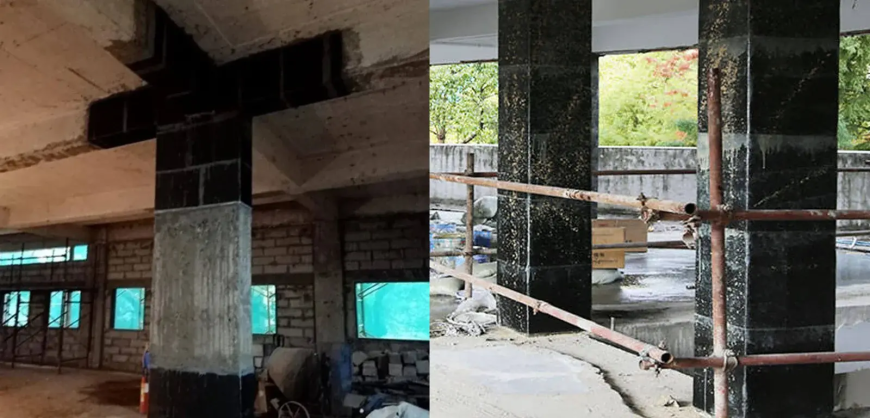
In modern construction, maintaining the structural integrity of buildings is crucial. Carbon wrapping for columns has emerged as an effective solution for strengthening concrete structures. Unlike traditional methods such as steel jacketing or increasing column size, carbon fiber reinforcement is lightweight, minimally intrusive, and highly durable. This technique helps extend the lifespan of structures, enhances load-bearing capacity, and ensures safety without altering the building’s aesthetics or occupying additional floor space.
Why Carbon Wrapping is Essential for Columns
Columns are the backbone of any building, supporting vertical loads and maintaining structural stability. Over time, due to environmental factors, aging, or construction defects, columns can weaken. Carbon wrapping for columns provides an efficient way to restore strength. This method increases the flexural and shear capacity of columns, preventing potential structural failures. It’s particularly valuable in high-rise buildings and areas prone to seismic activity where safety and resilience are paramount.
Advantages of Using Carbon Fiber Reinforcement
One of the main advantages of carbon wrapping for columns is its high strength-to-weight ratio. The material adds significant reinforcement without adding excessive weight. Additionally, carbon fiber is resistant to corrosion, moisture, and chemical attacks, making it suitable for various environments. Installation is faster and less disruptive than conventional techniques. This efficiency allows buildings to remain operational during retrofitting projects, reducing downtime and construction costs for property owners.
Applications of Carbon Wrapping in Structural Engineering
Carbon wrapping for columns is widely applied in residential, commercial, and industrial structures. It is ideal for retrofitting old buildings, strengthening earthquake-damaged columns, or enhancing new construction for higher load requirements. Engineers also use this method for bridges, parking structures, and heritage buildings where maintaining architectural aesthetics is important. Its adaptability ensures that both vertical and lateral reinforcement needs are met effectively, providing a long-term structural solution.
Step-by-Step Process of Carbon Wrapping
The process of carbon wrapping for columns begins with surface preparation. The column is cleaned and any loose or damaged concrete is repaired. Next, a primer or epoxy resin is applied to ensure proper adhesion of the carbon fiber sheets. The carbon fiber fabric is then wrapped around the column, and an additional layer of resin is applied to bond it securely. Finally, the surface is cured and inspected to ensure structural integrity and durability.
Comparing Carbon Wrapping to Traditional Methods
Traditional column strengthening methods such as steel jacketing, concrete enlargement, or external post-tensioning are often labor-intensive and disruptive. In contrast, carbon wrapping for columns is faster, lighter, and less intrusive. Unlike steel, carbon fiber does not rust or corrode, reducing long-term maintenance. The minimal thickness of the carbon wrap preserves floor space, making it an ideal choice for retrofitting buildings without compromising design or functionality.
Expert Tips for Successful Carbon Wrapping
For effective carbon wrapping for columns, hiring skilled structural engineers is essential. They ensure the correct type of carbon fiber and resin is selected based on load requirements and environmental conditions. Proper surface preparation and curing time are critical to achieving maximum strength. Regular inspection after installation helps detect any wear or damage early. Following these best practices ensures that the carbon fiber reinforcement delivers long-lasting performance and safety.
Future of Carbon Wrapping in Construction
With increasing urbanization and the need for retrofitting older buildings, carbon wrapping for columns is becoming a preferred solution in India and worldwide. Technological advancements are making the materials more affordable and efficient, expanding applications in earthquake-prone areas and high-rise buildings. As engineers continue to innovate, carbon fiber reinforcement will play a vital role in sustainable construction, offering a blend of strength, durability, and aesthetic compatibility with modern architectural designs.
Carbon wrapping for columns is a revolutionary approach to structural strengthening. Its advantages include lightweight application, corrosion resistance, minimal disruption, and enhanced durability. By using this method, buildings can achieve improved load capacity and long-term safety. Whether retrofitting old structures or reinforcing new ones, carbon fiber reinforcement provides a reliable, modern, and cost-effective solution, making it a key choice for engineers and property owners seeking sustainable structural improvements.