Carbon Steel Bushcraft Knives: Pros and Cons
 softsgens
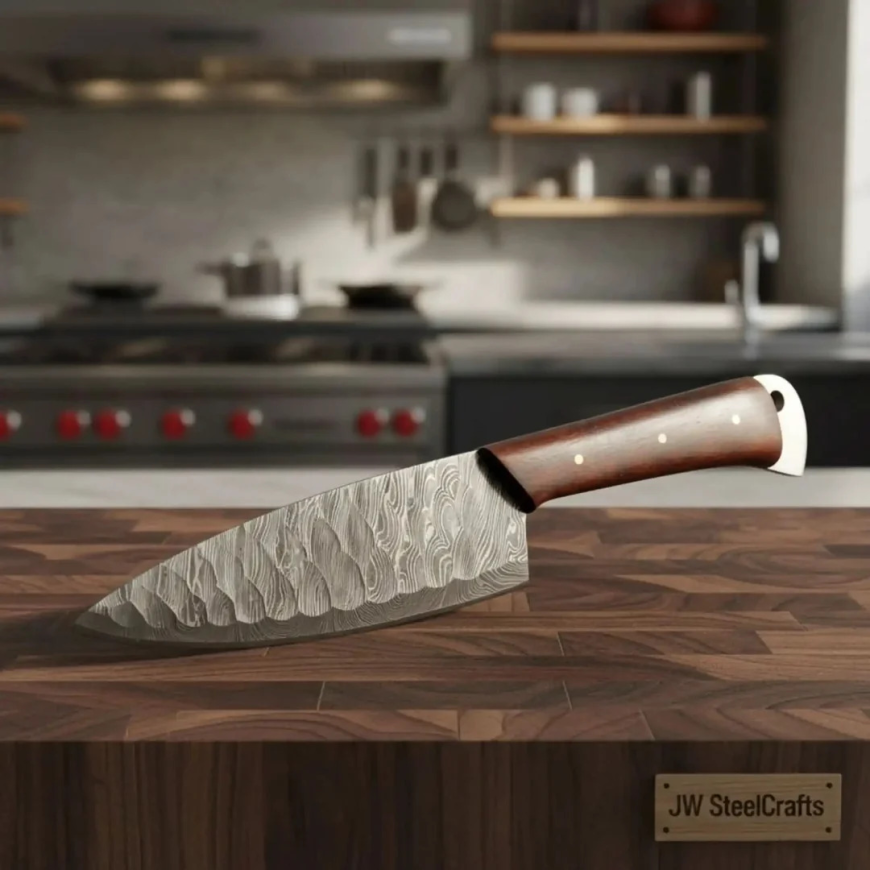
When choosing a bushcraft knife, one of the biggest decisions you'll make is selecting the right blade steel. While stainless steel is known for its corrosion resistance, carbon steel remains the preferred choice for many experienced bushcrafters, campers, hunters, and survival enthusiasts.
Carbon steel knives have earned a strong reputation because of their toughness, edge retention, and ease of sharpening. However, they also require more maintenance than stainless steel blades.
In this guide, we'll explore the pros and cons of carbon steel bushcraft knives, explain when they're the best choice, and help you decide whether carbon steel is right for your outdoor adventures.
What Is Carbon Steel?
Carbon steel is an alloy made primarily from iron and carbon. Compared to many stainless steels, it contains less chromium, which means it offers exceptional cutting performance but is more vulnerable to rust if not properly cared for.
Popular carbon steels used in bushcraft knives include:
-
1095 Carbon Steel
-
1075 Carbon Steel
-
1084 Carbon Steel
-
O1 Tool Steel
-
80CrV2
-
5160 Spring Steel
Each type has slightly different properties, but all are well-regarded for outdoor use.
Why Carbon Steel Is Popular for Bushcraft
Bushcraft involves tasks such as:
-
Carving wood
-
Making feather sticks
-
Building shelters
-
Processing firewood
-
Preparing food
-
Crafting traps and tools
-
Starting fires with a ferro rod
These activities require a knife that is tough, dependable, and easy to maintain in the field—qualities that carbon steel is known for.
Pros of Carbon Steel Bushcraft Knives
1. Excellent Edge Retention
One of the biggest advantages of carbon steel is its ability to hold a sharp edge through extended use.
This means:
-
Less frequent sharpening
-
Consistent cutting performance
-
Better efficiency during long trips
For bushcraft tasks like carving and woodworking, this is a major benefit.
2. Easy to Sharpen
Carbon steel is generally easier to sharpen than many premium stainless steels.
Even in the wilderness, you can often restore a sharp edge using:
-
Whetstones
-
Diamond stones
-
Pocket sharpeners
-
Leather strops
This makes carbon steel especially practical for multi-day camping and survival trips.
3. Outstanding Toughness
Bushcraft knives often experience heavy use.
Carbon steel handles demanding tasks well, including:
-
Batoning small logs
-
Carving hardwood
-
Splitting kindling
-
Making tent stakes
-
Campcraft
Its toughness reduces the likelihood of chipping under normal outdoor use.
4. Better Fire-Starting Performance
Many carbon steel bushcraft knives feature a sharp 90-degree spine that works exceptionally well with a ferro rod.
This allows you to produce hot sparks quickly when starting campfires.
5. Traditional Bushcraft Choice
Many experienced bushcrafters prefer carbon steel because it has been trusted for generations.
Its combination of toughness, simple maintenance, and dependable cutting performance makes it a favorite for traditional outdoor skills.
6. Develops a Protective Patina
Over time, carbon steel often develops a dark patina through regular use.
A patina:
-
Helps reduce surface corrosion
-
Gives the blade a unique appearance
-
Reflects the knife's history and use
While it doesn't completely prevent rust, it offers some protection.
Cons of Carbon Steel Bushcraft Knives
1. Susceptible to Rust
The biggest disadvantage of carbon steel is its lower corrosion resistance.
Without proper care, exposure to:
-
Rain
-
Snow
-
Humidity
-
Saltwater
-
Food acids
can lead to rust.
Routine cleaning and drying are essential.
2. Requires More Maintenance
Unlike stainless steel, carbon steel needs regular attention.
Recommended maintenance includes:
-
Wiping the blade dry after use
-
Applying a thin coat of mineral or knife oil
-
Cleaning away dirt and sap
-
Inspecting for rust
These habits become second nature for most experienced users.
3. Can Stain During Food Preparation
Acidic foods such as:
-
Tomatoes
-
Citrus fruits
-
Apples
-
Onions
may darken the blade or affect its appearance.
This is usually cosmetic and does not impact performance.
4. Not Ideal for Marine Environments
If you frequently camp near the ocean or use your knife around saltwater, stainless steel may be a better choice due to its superior corrosion resistance.
Carbon Steel vs Stainless Steel
| Feature | Carbon Steel | Stainless Steel |
|---|---|---|
| Edge Retention | ⭐⭐⭐⭐⭐ | ⭐⭐⭐⭐☆ |
| Ease of Sharpening | ⭐⭐⭐⭐⭐ | ⭐⭐⭐☆☆ |
| Toughness | ⭐⭐⭐⭐⭐ | ⭐⭐⭐⭐☆ |
| Rust Resistance | ⭐⭐☆☆☆ | ⭐⭐⭐⭐⭐ |
| Maintenance | Higher | Lower |
| Fire-Starting with Ferro Rod | Excellent | Excellent (with a sharp 90° spine) |
| Best For | Bushcraft & Survival | Wet Conditions & Low Maintenance |
Best Uses for Carbon Steel Bushcraft Knives
Carbon steel knives are ideal for:
-
Bushcraft
-
Camping
-
Hiking
-
Survival training
-
Wood carving
-
Shelter building
-
Firewood processing
-
Hunting
-
Wilderness expeditions
Their durability makes them excellent all-purpose outdoor tools.
How to Prevent Rust
Keeping a carbon steel knife in top condition is simple with regular care.
Clean After Every Use
Remove:
-
Moisture
-
Sap
-
Dirt
-
Food residue
Dry Immediately
Never leave the blade wet, especially overnight.
Apply Protective Oil
A light coat of:
-
Mineral oil
-
Food-safe knife oil
-
Specialized blade protectant
helps reduce the risk of corrosion.
Store Correctly
For long-term storage:
-
Keep the knife dry.
-
Avoid leaving it inside a damp leather sheath.
-
Store it in a cool, well-ventilated place.
Who Should Choose Carbon Steel?
Carbon steel is a great choice if you:
-
Enjoy traditional bushcraft
-
Don't mind routine maintenance
-
Want excellent edge retention
-
Frequently carve wood
-
Need a dependable survival knife
-
Prefer easy field sharpening
Who Should Choose Stainless Steel?
Stainless steel may be a better option if you:
-
Camp in humid or coastal environments
-
Want minimal maintenance
-
Frequently work around water
-
Prefer a blade that's highly resistant to rust
Popular Carbon Steel Bushcraft Knives
Some well-known carbon steel bushcraft knives include:
-
Morakniv Garberg Carbon
-
Morakniv Companion Carbon
-
ESEE-4
-
Condor Bushlore
-
BPS Adventurer
-
KA-BAR Becker BK16
-
Joker Campero Carbon Steel Edition
These knives are trusted by outdoor enthusiasts for their durability and cutting performance.
Tips for Maintaining Carbon Steel Knives
To maximize the life of your knife:
-
Wipe the blade after every use.
-
Sharpen before it becomes excessively dull.
-
Oil the blade regularly.
-
Remove rust promptly if it appears.
-
Use the knife only for appropriate tasks.
-
Inspect the edge before every trip.
Consistent care ensures reliable performance for years.
Frequently Asked Questions
Are carbon steel bushcraft knives better than stainless steel?
Neither is universally better. Carbon steel excels in toughness, edge retention, and ease of sharpening, while stainless steel offers superior corrosion resistance and lower maintenance.
Do carbon steel knives rust easily?
They can rust if exposed to moisture and neglected, but regular cleaning, drying, and oiling greatly reduce the risk.
Is carbon steel good for beginners?
Yes. Beginners willing to learn basic knife maintenance will benefit from carbon steel's excellent cutting performance and easy sharpening.
Can I prepare food with a carbon steel knife?
Yes. Carbon steel is commonly used for food preparation, though acidic foods may discolor the blade over time. Cleaning and drying the knife afterward helps maintain its condition.
How often should I oil a carbon steel knife?
Oil the blade after cleaning, especially before storage or after use in wet conditions. Frequent outdoor use may require more regular protection.
Final Thoughts
A carbon steel bushcraft knife remains one of the best choices for campers, hikers, hunters, and survival enthusiasts who value performance over convenience. Its outstanding edge retention, toughness, and easy sharpening make it exceptionally well-suited for woodworking, fire preparation, shelter building, and other demanding outdoor tasks.
The trade-off is the need for regular maintenance. By cleaning, drying, and lightly oiling your knife after use, you can prevent rust and keep it performing at its best for years. If you're willing to invest a little extra care, a quality carbon steel bushcraft knife can become a dependable companion on countless wilderness adventures.