Cannabis Packaging Market: How Innovation Is Transforming Product Safety and Branding
The Global Cannabis Packaging Market size is expected to be worth around USD 24.6 Billion by 2034, from USD 3.2 Billion in 2024, growing at a CAGR of 22.6% during the forecast period from 2025 to 2034.
 Tinu56
1. Cannabis Packaging Market Overview
The Cannabis Packaging Market is developing into a specialized segment of the broader packaging industry as cannabis products become more diverse and regulated. What was once primarily viewed as a means of containment is now a sophisticated interface between product preservation, consumer safety, regulatory compliance, and brand communication.
Cannabis packaging must perform several functions simultaneously. It may need to protect sensitive products from moisture, oxygen, light, contamination, and physical damage while also preventing unauthorized access.
That complexity is reshaping packaging design.
Manufacturers are experimenting with new materials, closures, structural configurations, coatings, labels, and digital features. Meanwhile, cannabis brands are looking for packaging that is distinctive enough to establish identity without sacrificing functionality.
The resulting market is highly multidisciplinary. Materials science, industrial design, regulatory knowledge, manufacturing technology, and marketing increasingly intersect within a single package.
2. Key Market Forces Influencing Cannabis Packaging Demand
Regulatory Expansion
Regulatory development remains a foundational influence on the cannabis packaging sector.
Legal cannabis markets commonly impose requirements related to child resistance, tamper evidence, labeling, product identification, and secure distribution. These requirements create consistent demand for specialized packaging.
Packaging suppliers with strong regulatory knowledge can therefore become valuable partners for cannabis manufacturers seeking to enter or expand within regulated markets.
Cannabis Product Diversification
The cannabis industry is developing beyond conventional flower products.
Concentrates, tinctures, edibles, capsules, beverages, pre-rolls, and topical formulations require different forms of containment and protection.
This creates a fragmented but opportunity-rich packaging landscape.
A package engineered for a dry flower product may be unsuitable for an oil or concentrate. Likewise, packaging designed for a beverage must address entirely different containment and transportation challenges.
Product diversification is therefore encouraging greater specialization among packaging suppliers.
Product Safety Requirements
Safety considerations are integral to cannabis packaging design.
Child-resistant systems can help prevent unintended access, while tamper-evident features provide a visible indication of potential interference.
In addition, packaging must preserve product quality during transportation and storage.
These requirements have accelerated investment in closure engineering, barrier materials, and protective structural designs.
Consumer Purchasing Behavior
Packaging increasingly influences consumer perception.
Modern consumers often evaluate convenience, visual presentation, environmental responsibility, and perceived product quality alongside price and formulation.
For cannabis brands, this means packaging has become part of the overall customer experience.
A well-designed package can communicate professionalism and quality before the product is even opened.
3. Innovative Materials Shaping Cannabis Packaging
Glass and Metal Solutions
Glass remains an attractive material for cannabis packaging because of its strong barrier characteristics and premium visual appearance.
Glass jars and bottles can provide effective protection while reinforcing perceptions of quality.
Metal, particularly aluminum and tin, offers durability, portability, and distinctive aesthetics. Metal containers can also provide strong protection against certain environmental influences.
The main limitations involve weight, manufacturing costs, and application-specific compatibility.
Advanced Polymers
Polymers remain widely used because of their versatility and relatively low weight.
Different polymer structures can be engineered for flexibility, impact resistance, moisture protection, transparency, or chemical compatibility.
Advanced polymer technologies are also supporting the development of thinner packaging structures with improved performance.
Paper-Based Packaging
Paperboard and molded-fiber materials are attracting growing attention as brands investigate alternatives to conventional plastics.
These materials can be particularly useful for secondary packaging, cartons, sleeves, and selected structural applications.
However, achieving sufficient moisture and oxygen resistance may require coatings or hybrid structures.
Bio-Derived Materials
Bio-derived polymers and renewable-material packaging represent an emerging area of experimentation.
Such materials could help reduce dependence on fossil-derived feedstocks.
Their wider commercial adoption will depend on scalability, cost competitiveness, durability, regulatory suitability, and end-of-life infrastructure.
4. Safety and Compliance in Cannabis Packaging
Child-Resistant Designs
Child-resistant packaging is one of the defining characteristics of regulated cannabis packaging.
Manufacturers develop closures and containers intended to make unauthorized access more difficult while maintaining reasonable usability for adults.
Push-and-turn closures, locking systems, specialized pouches, and other mechanisms can be integrated into cannabis packaging.
Designers must carefully balance resistance and convenience. Excessive complexity can frustrate legitimate consumers, while insufficient resistance may undermine safety objectives.
Tamper-Evident Technologies
Tamper evidence provides another important security layer.
Shrink bands, tear strips, seals, breakaway components, and other visual indicators can reveal whether a package has potentially been opened or compromised.
Such systems can help strengthen consumer confidence and protect product integrity throughout distribution.
Secure Closures
Closures are often among the most technically demanding components of cannabis packaging.
They must provide reliable sealing while remaining compatible with the product and maintaining functionality over the intended shelf life.
Leak prevention is particularly important for oils, tinctures, concentrates, and other liquid or semi-liquid products.
Regulatory Labeling
Cannabis packaging may need to accommodate substantial amounts of product information.
Depending on the applicable jurisdiction, packaging may communicate cannabinoid content, dosage, ingredients, warnings, batch information, product identity, and other regulatory details.
Designing attractive packaging around these constraints requires considerable precision.
5. Sustainability and Circularity in Packaging
Recyclable Packaging
Sustainability is becoming increasingly important in packaging procurement.
Cannabis brands are exploring recyclable glass, aluminum, paperboard, and selected polymer structures.
However, actual sustainability depends on more than material selection. Collection infrastructure, package complexity, contamination, and local recycling capabilities can all influence environmental performance.
Lightweight Structures
Lightweighting can reduce material consumption while potentially improving transportation efficiency.
Flexible packaging and thin-wall containers can provide useful opportunities where structural rigidity is not essential.
Yet excessive lightweighting can reduce durability. Packaging engineers must therefore identify an optimal material-to-performance ratio.
Reusable Formats
Reusable packaging represents another potential pathway toward greater circularity.
Containers designed for repeated use may reduce the need for single-use materials in suitable applications.
The viability of reusable systems depends on collection, cleaning, logistics, consumer participation, and regulatory considerations.
Waste Reduction Strategies
Packaging companies are also examining ways to reduce unnecessary components.
Simplifying package structures, minimizing secondary packaging, reducing excess material, and improving manufacturing efficiency can all contribute to waste reduction.
The long-term objective is to create packaging systems that deliver necessary performance with fewer environmental externalities.
6. Cannabis Packaging by Product Type
Flower and Pre-Rolls
Flower packaging must help preserve product characteristics while limiting exposure to environmental conditions.
Jars, pouches, tubes, tins, and other formats can be engineered for different product volumes and brand positions.
Pre-roll packaging may emphasize physical protection, portability, odor control, and convenient dispensing.
Concentrates and Oils
Concentrates and oils present unique packaging challenges because of their physical and chemical properties.
Containers need reliable seals and materials that minimize unwanted interaction with the formulation.
Specialized jars, bottles, cartridges, and applicators may be used depending on the product.
Edibles
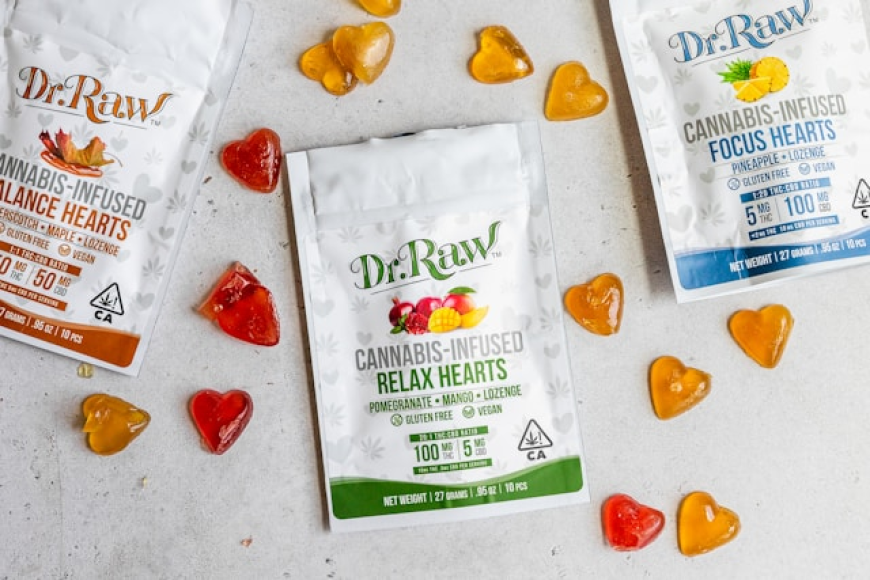
Edibles include a wide range of products, from gummies and chocolates to baked goods and capsules.
Packaging must provide appropriate protection against moisture, contamination, and physical damage while incorporating necessary safety mechanisms.
Visual presentation is also important because edible products often compete within highly design-oriented consumer categories.
Beverages and Topical Products
Cannabis beverages require robust liquid-containment systems.
Cans and bottles can provide portability and familiar consumption formats, while specialized closures may enhance product security.
Topical products such as creams, balms, and oils may use tubes, jars, pumps, or other dispensing formats.
As formulations continue to diversify, packaging requirements will become increasingly application-specific.
7. Packaging Technology and Brand Innovation
Smart Labels
Digital labels can extend the functionality of conventional packaging.
QR codes can connect consumers with product information, testing data, usage guidance, brand content, or other digital resources.
This enables brands to provide extensive information without overcrowding the physical package.
Digital Authentication
Authentication technologies can help strengthen product security.
Serialized identifiers, NFC-enabled components, and digital verification systems can potentially help brands distinguish legitimate products from counterfeit items.
These technologies may become increasingly valuable as cannabis distribution networks expand.
Premium Packaging
Premiumization is creating demand for sophisticated packaging aesthetics.
Embossing, tactile finishes, metallic details, specialized glass, distinctive closures, and minimalist structural designs can help products achieve stronger shelf presence.
However, premium appearance increasingly needs to coexist with environmental responsibility.
Consumer Engagement
Packaging can function as an interactive communication platform.
Digital features may allow consumers to learn more about product origins, formulation, testing, or brand values.
This transforms the package from a passive container into an active component of the customer journey.
8. Future Opportunities in the Cannabis Packaging Market
Material Innovation
Material science will remain central to the future of cannabis packaging.
Improved recyclable structures, bio-based polymers, advanced barrier films, molded fibers, and lower-material constructions could create new commercial possibilities.
The most valuable materials will likely be those that combine environmental performance with the demanding functional requirements of cannabis products.
Customized Packaging
Customization will continue to grow as cannabis brands compete for consumer attention.
Specialized dimensions, unique closures, customized graphics, proprietary structural designs, and application-specific containers can help businesses distinguish their product portfolios.
Manufacturers with flexible production capabilities may therefore gain an advantage.
Regional Market Expansion
As cannabis regulations evolve across different regions, packaging suppliers may find new opportunities in emerging markets.
However, regulatory requirements can differ significantly, making local knowledge and adaptable manufacturing important.
Packaging companies capable of modifying solutions for specific jurisdictions can potentially build stronger regional positions.
Explore Future Market Trends — Request Your Sample Report Now: https://market.us/report/global-cannabis-packaging-market/request-sample/
Long-Term Industry Outlook
The future of the Cannabis Packaging Market will likely be defined by the convergence of smart technology, sustainability, safety, convenience, and premium design.
Packaging is gradually becoming more than a protective shell. It is becoming a strategic asset that can preserve product quality, communicate information, reinforce regulatory compliance, strengthen consumer trust, and differentiate brands.
Sustainable materials may become increasingly important, while digital technologies could introduce new capabilities in traceability and authentication. At the same time, packaging designs will continue to evolve around specific product requirements and consumer habits.
The cannabis packaging industry is therefore positioned for continued innovation. Companies that can reconcile environmental responsibility with technical performance, regulatory demands, and compelling design will be well placed to participate in the next stage of market development.