Can Varicose Veins Affect Your Ability to Walk?
Learn whether varicose veins can affect your ability to walk, why leg discomfort develops, and when treatment may help improve mobility.
 Janeausten66f
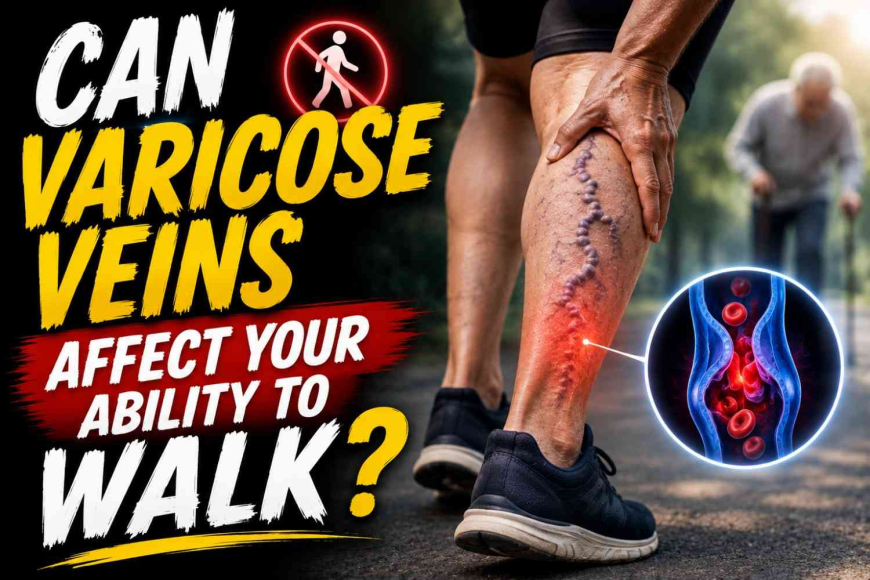
Yes, varicose veins can affect your ability to walk, particularly when they cause persistent leg pain, heaviness, swelling, or fatigue. Although many people remain active despite having varicose veins, progressive vein disease may make walking or standing for long periods increasingly uncomfortable. As symptoms worsen, some individuals may begin limiting their daily activities, which can further affect leg health and overall quality of life.
Walking is generally beneficial for healthy blood circulation, but discomfort from varicose veins can make staying active more difficult. Understanding why this happens can help you know when medical evaluation is appropriate.
Why Can Varicose Veins Affect Walking?
Healthy leg veins rely on one-way valves to return blood to the heart.
When these valves become damaged:
-
Blood flows backward.
-
Blood pools inside the veins.
-
Pressure within the veins increases.
-
The veins enlarge.
-
The surrounding tissues receive less efficient circulation.
These changes may cause discomfort during movement.
What Walking Symptoms Can Varicose Veins Cause?
People with symptomatic varicose veins may experience:
-
Aching legs
-
A feeling of heaviness
-
Leg fatigue
-
Throbbing discomfort
-
Swelling around the ankles
-
Burning sensations
These symptoms often become more noticeable after prolonged standing or walking.
Does Walking Make Varicose Veins Worse?
No.
Walking does not cause varicose veins to worsen.
In fact, walking helps:
-
Activate the calf muscles
-
Improve blood circulation
-
Assist blood flow back toward the heart
-
Reduce blood pooling in the legs
However, people with advanced varicose veins may still experience discomfort while walking because of the underlying vein disease.
Why Does Leg Heaviness Make Walking Difficult?
As blood pools inside damaged veins, pressure builds within the legs.
This may lead to:
-
Muscle fatigue
-
A sensation of heaviness
-
Reduced walking comfort
-
Tired legs by the end of the day
Many people notice temporary improvement after elevating their legs.
Can Advanced Varicose Veins Limit Mobility?
Yes.
If chronic venous disease progresses, it may contribute to:
-
Persistent swelling
-
Skin changes
-
Venous ulcers
-
Ongoing leg pain
These complications can make walking increasingly uncomfortable and may reduce overall mobility.
According to the Society for Vascular Surgery, untreated chronic venous disease may gradually worsen and affect daily function.
How Do Doctors Determine Whether Varicose Veins Are Causing Walking Problems?
Doctors usually evaluate:
-
Medical history
-
Walking-related symptoms
-
Physical examination
A Duplex Ultrasound is commonly performed to assess:
-
Blood flow
-
Vein valve function
-
Venous reflux
-
The affected veins
-
Severity of venous disease
The ultrasound helps determine whether the symptoms are caused by varicose veins or another condition.
When Should You See a Doctor?
Medical evaluation is recommended if walking is affected by:
-
Persistent leg pain
-
Leg heaviness
-
Swelling
-
Skin discoloration
-
Bleeding from a varicose vein
-
Slow-healing wounds
-
Symptoms that interfere with daily activities
Early diagnosis allows treatment before complications become more severe.
What Treatment Options Are Available?
Treatment depends on the severity of symptoms and ultrasound findings.
Options may include:
-
Regular walking and exercise
-
Leg elevation
-
Compression stockings
-
Endovenous Laser Treatment (EVLT)
-
Radiofrequency Ablation (RFA)
-
Ultrasound-guided foam sclerotherapy
These minimally invasive treatments close the damaged veins and redirect blood through healthy veins, improving overall circulation.
Can Treatment Improve Walking Comfort?
Yes.
When symptoms are caused by varicose veins, treatment may help:
-
Reduce leg pain
-
Relieve heaviness
-
Improve blood circulation
-
Decrease swelling
-
Make walking more comfortable
The most appropriate treatment depends on the individual's symptoms and Duplex Ultrasound findings.
Conclusion
Varicose veins can affect your ability to walk when damaged vein valves cause blood to pool in the legs, leading to pain, heaviness, swelling, and fatigue. Although walking itself is beneficial for circulation, progressive venous disease can make everyday activities increasingly uncomfortable. A physical examination and Duplex Ultrasound help identify the underlying cause and determine whether treatment is needed.
For patients with symptomatic varicose veins, minimally invasive treatments such as Endovenous Laser Treatment (EVLT) offer an effective alternative to traditional surgery by sealing the damaged veins and restoring healthier blood flow. Individuals seeking specialised vein care can consult a best doctor for varicose veins in jaipur to discuss the most appropriate treatment based on their symptoms and ultrasound findings.
Frequently Asked Questions
Can varicose veins make it difficult to walk?
Yes. Varicose veins can cause leg pain, heaviness, swelling, and fatigue that may make walking uncomfortable, especially as the condition progresses.
Should I keep walking if I have varicose veins?
In most cases, yes. Walking helps improve blood circulation by activating the calf muscles, although you should follow your doctor's advice if symptoms are severe.
Why do my legs feel heavy when I walk?
Damaged vein valves allow blood to pool inside the veins, increasing pressure and creating a sensation of heaviness and fatigue in the legs.
How do doctors diagnose walking problems caused by varicose veins?
Doctors use a physical examination and a Duplex Ultrasound to evaluate blood flow, vein valve function, and the severity of venous disease.
Can treatment improve walking ability?
Yes. Minimally invasive treatments such as Endovenous Laser Treatment (EVLT) can improve blood flow, reduce symptoms, and make walking more comfortable when varicose veins are the underlying cause.