Can Using Low-Quality Strut Clamps Really Cause Wall or Pipe Damage?
 generalsupplytn
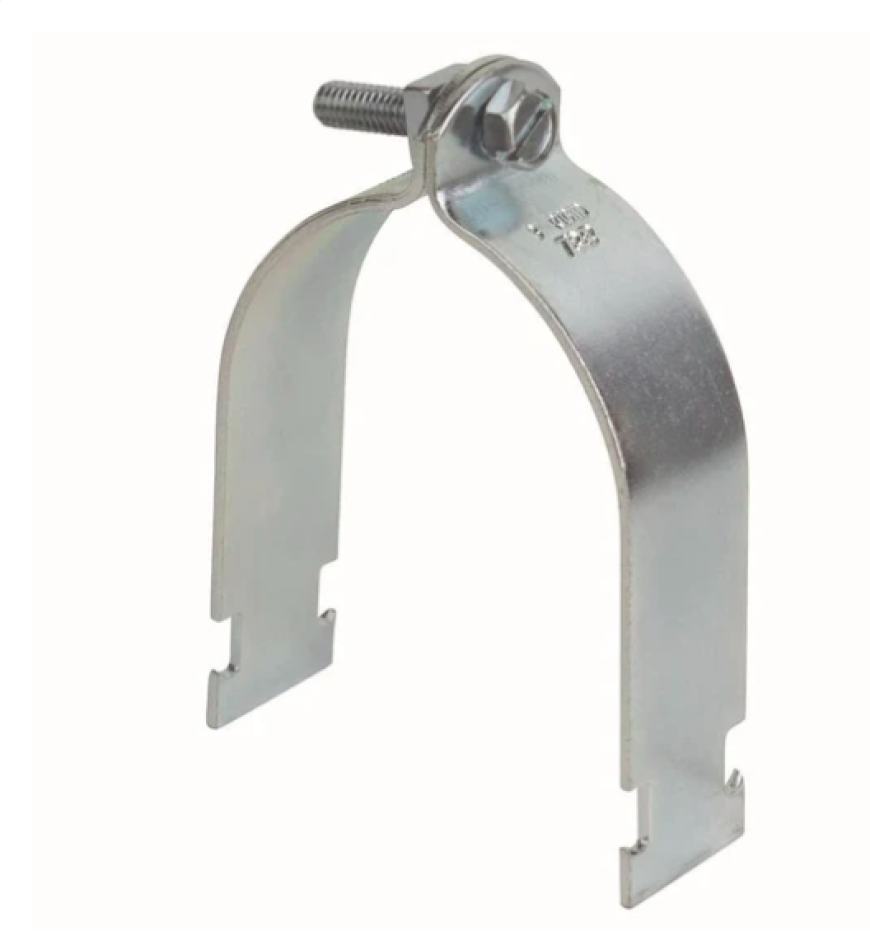
The Buy strut clamps carefully to keep pipes and walls safe. Strut clamps hold pipes, cables, and conduits firmly against walls, ceilings, or supports. Cheap clamps can make pipes move, vibrate, or even crack walls. Strong, high-quality clamps keep pipes secure, prevent problems, and make sure plumbing, electrical, and industrial systems last longer. Proper clamps reduce maintenance costs and keep installations safe for years.
Why Proper Clamps Are Important
Strut clamps stop pipes and conduits from moving. If a clamp fails, pipes may sag or shift. This creates pressure on walls or joints, which can lead to cracks or leaks. Good clamps spread the pipe’s weight evenly, keeping both the pipe and wall safe.
They also protect the pipe itself. Pipes rubbing against walls or surfaces can get scratched or lose insulation. Strong clamps reduce friction, keeping pipes and walls in good condition.
In addition, proper clamps minimize noise caused by vibrations. Cheap clamps can rattle when water flows or machinery runs, creating disturbances in buildings. Using high-quality clamps ensures pipes remain steady and quiet.
Types of Strut Clamps
There are several types of clamps for different needs. Standard clamps hold regular pipes, cushioned clamps reduce vibrations, and swivel clamps allow pipes to move slightly with heat or pressure changes. Adjustable clamps can fit different pipe sizes.
Choosing the right type is important. Using a weak clamp in a high-vibration area can cause damage. Picking strong clamps the right size keeps pipes steady and installations safe. In industrial setups, special clamps designed for heavy pipes or high temperatures provide additional safety and prevent failures.
Problems Caused by Low-Quality Clamps
Cheap clamps can bend, crack, or loosen. Pipes may sag, fall, or leak. Vibrations from machines, water flow, or HVAC systems make the problem worse.
In some cases, failing clamps can damage walls or ceilings. Uneven weight can create holes, cracks, or stress on the surface. Loose pipes may also pull away from connectors, leading to leaks or system failures. Using good clamps lowers these risks and protects both pipes and walls.
Even in home installations, poor clamps can cause issues. For example, a sagging water pipe can damage drywall, or a loose conduit can create hazards in an electrical system. High-quality clamps prevent these everyday problems.
Installation Tips for Safe Piping
To install clamps safely, pick clamps made for the pipe and wall type. Tighten screws evenly, but do not overtighten, which can break the clamp or wall. For heavy pipes, use multiple clamps spaced evenly to share the weight.
Place clamps near pipe joints and bends to reduce stress on fittings. Avoid spacing clamps too far apart, as this can cause sagging or vibrations. Using extra clamps on longer runs improves stability.
Check clamps regularly for wear, rust, or looseness. Fix or replace any bad clamps to prevent bigger problems. Using the right clamps and installing them correctly keeps systems safe and reliable.
For professional installations, mark the wall or surface before drilling, and ensure clamps are aligned properly. Misaligned clamps can create uneven stress and reduce the life of pipes and walls.
Everyday Uses
Strut clamps are used in plumbing, electrical, HVAC, and industrial systems. They support water pipes, gas lines, cable trays, and conduit runs. Strong clamps prevent pipes from moving and walls from being damaged.
They are especially important in places with vibrations or heavy use. Proper clamps reduce repair costs, prevent downtime, and keep pipes safe.
In large buildings, clamps help organize multiple pipes and conduits, keeping systems tidy and easier to maintain. They also make retrofitting or adding new pipes easier, as clamps secure the new pipes without disturbing the existing setup.
Long-Term Benefits
Good clamps stay strong over time. They do not bend, crack, or loosen easily. Checking clamps regularly makes sure pipes stay in place. Strong clamps lower the risk of leaks, sagging pipes, or wall damage.
Investing in good clamps saves money, keeps systems working longer, and maintains safety. Combined with correct installation, they make piping systems stable and long-lasting.
High-quality clamps also reduce the risk of accidents caused by falling pipes or loose conduit. In commercial and industrial spaces, this helps protect both workers and equipment, making the environment safer.
Wind Up:
Low-quality strut clamps can cause wall cracks, pipe movement, and leaks. Choosing strong clamps keeps pipes and walls safe. Using clamps with supporting equipment, buy sump pumps, to ensures systems stay secure, stable, and reliable for years. Always use strong strut clamps for your piping and conduit projects. Install them properly, check them regularly, and replace any worn or broken clamps. Using the right clamps protects pipes, prevents wall damage, and keeps systems safe for the long term.