Can a laser removal device truly erase the past without leaving a trace?
In an age where technology continues to reshape the boundaries of possibility, one tool stands out for its remarkable precision, efficiency, and transformative power — the laser removal device.
 johncarter
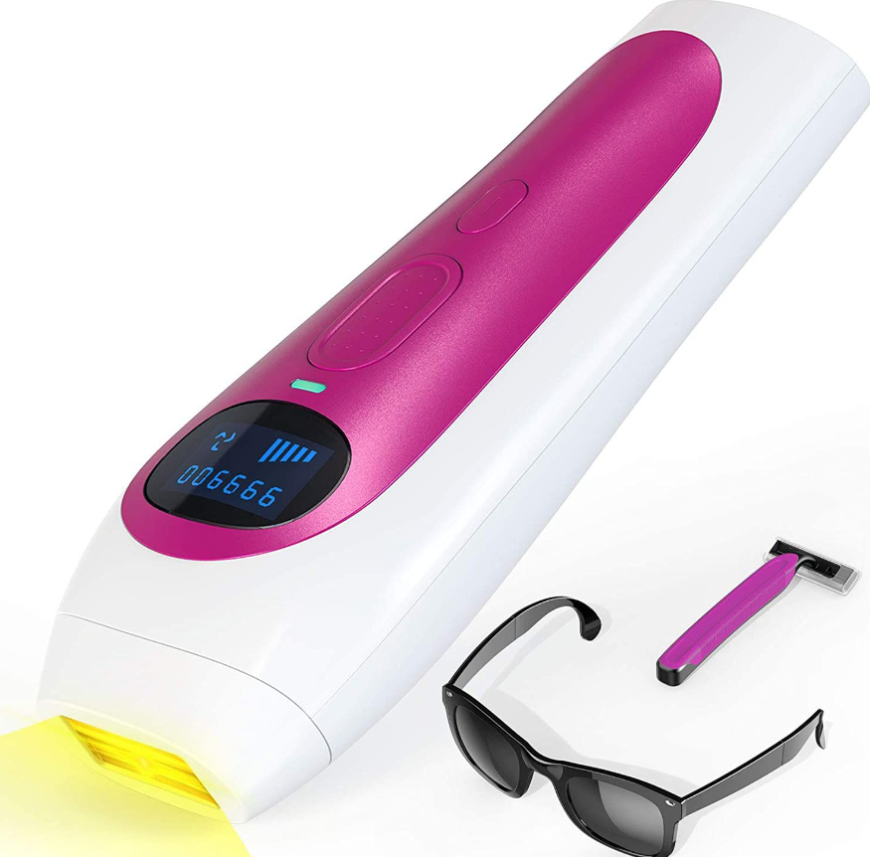
In an age where technology continues to reshape the boundaries of possibility, one tool stands out for its remarkable precision, efficiency, and transformative power — the laser removal device. Whether it’s ink that tells the story of a wild youth, unwanted body hair, age-old scars, or industrial contaminants on surfaces, this device is increasingly being relied on to restore, refine, and renew.
But what really lies beneath its clean finish? Is it as effective as people claim? Can it really erase the past? Let’s explore the workings, uses, science, and future of this fascinating device — a marvel that is now crossing both clinical and industrial thresholds.
The Concept of "Erasing the Past"
The phrase “erasing the past” often evokes ideas of regret, change, or transformation. From tattoos that no longer match one’s identity to rust that threatens the structural integrity of machinery, the laser removal device presents a compelling promise: a fresh start.
But it’s not magic. It’s physics, precision engineering, and years of research bundled into handheld or industrial-grade machines. These devices rely on high-intensity light beams, tuned to specific wavelengths, to target unwanted substances and disrupt their presence without damaging surrounding areas.
How a Laser Removal Device Works
A laser removal device functions by emitting light energy that penetrates the surface of the skin or material to break down the unwanted substance. The energy is absorbed by pigments or particles within the target area, which are then shattered into smaller fragments. These fragments are either expelled naturally by the body (in medical uses) or cleaned off (in industrial uses).
The technology varies by application. A tattoo removal laser might use Q-switched or picosecond pulses, while an industrial surface cleaner might employ fiber lasers with adjustable pulse widths and frequencies.
The underlying science remains consistent: selective photothermolysis — the idea that specific targets can be heated and destroyed using light energy without damaging the surrounding matrix.
Wide Spectrum of Applications
The laser removal device is not restricted to a single domain. It operates in multiple fields, each with its own unique demands and challenges:
1. Tattoo Removal
The most common application in aesthetics. Tattoos are essentially inks injected into the dermis. The device targets these inks, breaking them into smaller particles that are flushed out by the lymphatic system.
2. Hair Removal
By targeting the melanin in hair follicles, lasers disable hair growth in targeted areas. This use has led to a growing popularity among cosmetic practitioners and home users.
3. Skin Rejuvenation and Spot Correction
Used in dermatology to remove age spots, sun damage, and even minor scars. The laser targets pigmentation without affecting the top layers of the skin.
4. Industrial Cleaning
Lasers are also used to remove rust, oxide layers, paint, and oil residues from metals and industrial parts. These devices offer a non-contact, chemical-free method for restoring metal surfaces.
5. Medical Applications
Certain laser systems are used for removing lesions, vascular marks, or warts. They are also used in ophthalmology and dentistry for precise surgical interventions.
Laser Removal Device vs. Traditional Methods
Though we won't compare specific benefits here, it's clear that the laser removal device has changed the dynamics of various industries. Compared to manual scraping, abrasive blasting, or chemical stripping in industrial use, or dermabrasion and surgery in aesthetic applications, the laser method introduces a far more controlled, targeted, and clean process.
Traditional methods often involved physical force or chemicals that could introduce new damage or side effects. The laser removal device, by contrast, offers the possibility of refined control, making it ideal for tasks that demand precision — whether it’s removing a delicate ink design or corrosion on an aircraft component.
Safety and Precision in Modern Design
Laser technology is powerful — so powerful that safety is a fundamental part of the conversation. Devices are designed with precision in mind, including depth control, pulse adjustment, and wavelength selection to ensure that the energy is delivered exactly where it's needed.
Medical-grade laser removal devices often include cooling mechanisms, safety interlocks, and wavelength filters. Industrial versions are housed in robust shells with safety shutters and require trained professionals for operation.
This attention to safety doesn’t limit the device — it enhances it. It allows the user to achieve delicate results even on sensitive surfaces or skin areas.
Rising Popularity and Market Growth
The global market for laser removal devices is expanding rapidly. From beauty salons in New York to manufacturing plants in Shenzhen, the device is seeing rising demand. Several factors contribute to this:
-
Personal grooming and self-care culture
-
Rise in tattoo culture followed by demand for removals
-
Increase in industrial automation and restoration
-
Non-invasive aesthetic treatment preferences
Many brands have emerged, offering home-use devices for consumers. Meanwhile, industrial versions are getting more compact, energy-efficient, and easy to integrate into production lines.
Selection Matters: What to Consider
Choosing the right laser removal device involves understanding the specific use-case. For professionals, the question might be: What kind of ink or residue am I removing? What’s the size of the area? What energy levels are safe for my application?
Home users need to consider their skin tone, hair color (for hair removal), or tattoo ink shades (for tattoo removal), as some devices are optimized for specific spectrums.
Material compatibility is critical in industrial use — the surface must not be degraded by the laser’s wavelength or energy output. Manufacturers often provide detailed specifications regarding frequency range, pulse duration, cooling methods, and target material.
Innovations and Future Outlook
As the demand for laser removal devices grows, so does innovation. We are witnessing the rise of:
-
Picosecond lasers for more precise pigmentation targeting
-
Compact fiber laser systems for mobile rust and paint removal
-
Hybrid systems that combine laser with ultrasound or radiofrequency for better results
-
Smart feedback sensors that adjust laser intensity in real-time
AI and automation are also playing subtle roles behind the scenes in how lasers calibrate, target, and optimize their output — even if the user only sees a sleek, handheld tool doing all the work.
The future will likely bring devices that are smarter, faster, and more personalized, both for home use and in professional environments.
The Role of Professional Training
Despite user-friendly interfaces, the effectiveness of a laser removal device often depends on the skill of the operator. Professional training remains crucial — especially in medical or industrial scenarios.
Knowing how to assess skin type, pigment density, or material surface can significantly impact outcomes. Certified training programs are offered by device manufacturers and third-party institutions to ensure safe and effective usage.
Where to Get a Reliable Laser Removal Device
With popularity comes a flood of brands — but not all are created equal. If you’re considering purchasing a laser removal device, it’s essential to source from verified, trusted manufacturers or suppliers.
Look for:
-
ISO-certified factories
-
FDA, CE, or RoHS-approved devices
-
Real user reviews and before-after case studies
-
Transparent customer support and warranties
Retailers like Amazon and specialty equipment providers offer a wide range of options. For professional-grade use, it’s better to go through direct B2B platforms or certified distributors.
Final Thoughts
So, can a laser removal device truly erase the past without leaving a trace? The answer lies not just in its powerful beam, but in how it's used — with precision, intention, and knowledge. It doesn’t undo history; it transforms it.
In both personal care and industrial restoration, these devices are rewriting standards for cleanliness, clarity, and control. From clearing away the ink of yesterday to polishing metals for tomorrow’s engines, the laser removal device stands as a symbol of renewal — not by hiding the past, but by revealing a cleaner future.