Blepharoplasty Dubai | Eyelid Surgery Guide
Discover expert Blepharoplasty Dubai at Tajmeels Clinic. A complete guide on safety, recovery, results, and what to expect.
 Tajmeel_Clinic
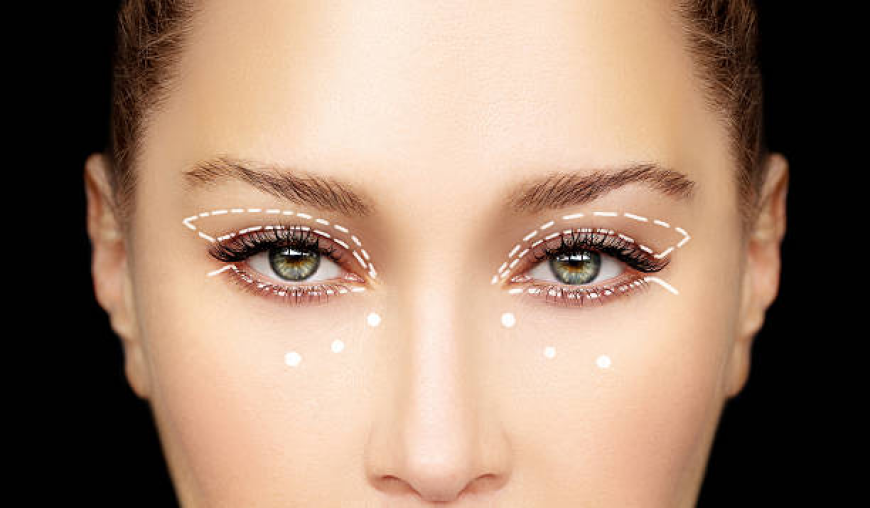
The eyes are often the first feature people notice. They are central to expression, communication, and how we perceive ourselves and others. When the skin around the eyes begins to sag, puffiness develops, or bags become a permanent fixture, it can create a tired, aged, or even sad appearance that does not reflect how you truly feel. Blepharoplasty, or eyelid surgery, offers a refined solution to these concerns. This procedure is not merely cosmetic; for many, it restores function and confidence. In this guide, we will walk you through everything you need to know about Blepharoplasty Dubai, from understanding the procedure and candidacy to navigating recovery and long-term results.
What Is Blepharoplasty Dubai and How Does It Work?
Understanding the procedure is the first step toward making an informed decision. Blepharoplasty is a surgical procedure designed to rejuvenate the appearance of the eyelids by removing or repositioning excess tissue.
Understanding Upper and Lower Eyelid Surgery
Blepharoplasty can be performed on the upper eyelids, lower eyelids, or both, depending on the patient's needs.
-
Upper Eyelid Blepharoplasty: This addresses drooping upper eyelids caused by excess skin and fat. The surgeon makes an incision along the natural crease of the eyelid, removes the excess tissue, and tightens the remaining skin. This can significantly improve peripheral vision if the drooping is severe enough to obstruct sight.
-
Lower Eyelid Blepharoplasty: This targets under-eye bags, puffiness, and fine lines. The incision is typically made just below the lower lash line or inside the lower eyelid (transconjunctival approach). Through this incision, the surgeon removes or repositions fat and tightens the skin and muscle.
The Anatomy of the Eyelid
The eyelids are complex structures composed of skin, muscle, fat, and connective tissue. With age, the skin loses elasticity, the muscles weaken, and fat deposits can herniate forward, creating the characteristic "bags" or "hooding." Blepharoplasty addresses these anatomical changes, restoring a more youthful and rested contour.
How the Surgery Works
The surgeon carefully removes the targeted tissue, creating a smoother, tighter eyelid contour. The incisions are strategically placed to heal within natural creases, making scars virtually invisible. The procedure is performed under local anesthesia with sedation or general anesthesia, ensuring patient comfort throughout.
Am I a Good Candidate for Blepharoplasty Dubai?
Not everyone seeking eyelid rejuvenation is an ideal candidate for surgery. A thorough consultation is essential.
Signs You May Benefit from Eyelid Surgery
You may be a good candidate if you experience:
-
Drooping upper eyelids: Excess skin that creates a "hooded" appearance and may obstruct your field of vision.
-
Under-eye bags: Persistent puffiness or bulging fat pads beneath the eyes.
-
Excess skin and wrinkles: Fine lines and crepey skin around the eyes that make you look tired or older than you feel.
-
Puffy eyes: A tired appearance that does not improve with sleep or skincare.
Medical vs. Cosmetic Concerns
While blepharoplasty is often sought for cosmetic reasons, it can also address functional issues. Severe upper eyelid drooping (dermatochalasis) can impair peripheral vision, making daily activities like driving or reading difficult. In these cases, the surgery may be considered medically necessary. The distinction is important, as it may affect insurance coverage.
Who Should Avoid Blepharoplasty?
Blepharoplasty is not suitable for everyone. You may not be a good candidate if you have:
-
Certain eye conditions: Such as glaucoma, dry eye syndrome, or retinal detachment.
-
Uncontrolled medical conditions: Like hypertension or diabetes.
-
Smoking habits: Smoking impairs healing and increases the risk of complications.
-
Unrealistic expectations: It is important to understand what the surgery can and cannot achieve.
The Blepharoplasty Dubai Procedure: What to Expect
Understanding the procedure step-by-step helps alleviate anxiety and prepares you for the journey.
Step-by-Step Breakdown of the Surgery
-
Consultation: The journey begins with a consultation. The surgeon will assess your eyelids, review your medical history, and discuss your goals. They will also take photographs for planning and documentation.
-
Preparation: On the day of surgery, the area around your eyes will be cleansed, and markings will be made to guide the incisions.
-
Anesthesia: The surgeon will administer local anesthesia with sedation or general anesthesia, depending on the complexity of the surgery and your preferences.
-
Incision: The surgeon makes the incisions along the natural creases of the upper eyelids or just below the lash line for the lower eyelids.
-
Tissue Removal/Repositioning: Excess skin, fat, and sometimes muscle are removed or repositioned to create a smoother contour.
-
Closure: The incisions are closed with fine sutures that will be removed within a week.
Anesthesia and Incision Techniques
-
Anesthesia: The choice between local and general anesthesia depends on the extent of the surgery. Local anesthesia with sedation is common for isolated upper eyelid surgery, while general anesthesia may be preferred for combined upper and lower procedures.
-
Incision Techniques: For upper eyelids, the incision is hidden in the natural crease. For lower eyelids, the traditional approach places the incision just below the lash line, while the transconjunctival approach (inside the lower eyelid) leaves no external scar.
Recovery Timeline After Blepharoplasty Dubai
Recovery is a crucial phase that requires patience and proper care.
The First 7 Days (Downtime Reality)
The first week after surgery involves the most significant healing. Here is what you can expect:
-
Day 1: You will have bandages around your eyes. You may experience mild discomfort, swelling, and bruising. Cold compresses can help reduce these symptoms.
-
Day 2-3: Swelling and bruising peak during these days. You may have difficulty fully closing your eyes, but this is temporary. It is essential to keep your head elevated and apply cold compresses as directed.
-
Day 4-5: The swelling and bruising begin to subside. You may be able to resume light activities, but it is important to avoid strenuous exercise and heavy lifting.
-
Day 6-7: Sutures are typically removed. The incisions are healing well, and you may start to see the initial results.
Managing Swelling, Bruising, and Discomfort
Managing these symptoms effectively speeds up the recovery process:
-
Cold Compresses: Apply cold compresses for the first 48 hours to reduce swelling.
-
Head Elevation: Keep your head elevated, even while sleeping, to minimize fluid accumulation.
-
Pain Relief: Over-the-counter pain relievers, such as acetaminophen, can help manage discomfort. Avoid aspirin and ibuprofen, as they can increase bleeding.
-
Avoid Strenuous Activity: Refrain from exercise, heavy lifting, and bending over for at least two weeks.
Long-Term Recovery and Results
-
Weeks 2-4: The swelling and bruising continue to diminish. You will notice significant improvement, but subtle swelling may persist. You can typically return to work and normal activities after 10-14 days.
-
Months 1-3: The incisions are healing well and fading. The final results are becoming more apparent.
-
Months 6-12: The scars continue to fade and soften, becoming virtually invisible within natural creases.
Results and Long-Term Outcomes of Blepharoplasty Dubai
Understanding the longevity of results and the appearance of scars is essential.
When Will You See Final Results?
The final results of blepharoplasty are not immediate. It takes time for the swelling to fully subside and for the tissues to settle.
-
Initial Results: You will notice a significant improvement within the first few weeks.
-
Final Results: The complete results are typically visible after 6 to 12 months, when the incisions have healed and the tissues have relaxed.
How Long Do Results Last?
The results of blepharoplasty are long-lasting but not permanent. The aging process continues, but the improvement achieved through surgery is durable.
-
Upper Eyelids: The results can last for 10-15 years or more.
-
Lower Eyelids: The results are also long-lasting, as the fat that has been removed does not return.
Scars and Their Fading
The incisions are strategically placed to minimize visible scarring. They are hidden within the natural creases of the eyelids or just below the lower lash line. Over time, the scars fade and become virtually invisible.
Risks, Safety, and Contraindications for Blepharoplasty Dubai
Blepharoplasty is generally safe, but it is important to be aware of the potential risks.
Common Side Effects and How to Manage Them
-
Swelling and Bruising: These are expected and can be managed with cold compresses and head elevation.
-
Dry Eyes: Temporary dry eye syndrome is common. Your surgeon may recommend lubricating eye drops.
-
Blurred Vision: Mild blurred vision is normal in the first few days.
-
Difficulty Closing Eyes: This is temporary and resolves as swelling subsides.
-
Numbness: Temporary numbness in the eyelid area is common.
Serious Complications
Serious complications are rare but can include:
-
Infection: Promptly treated with antibiotics.
-
Bleeding: Under the skin, which may require drainage.
-
Ectropion: Outward turning of the lower eyelid, which is rare.
-
Ptosis: Drooping of the eyelid, which may require additional surgery.
-
Scarring: Unfavorable scarring, though this is uncommon.
Who Should Avoid This Surgery?
Blepharoplasty is not recommended for individuals with:
-
Uncontrolled high blood pressure or diabetes.
-
Severe dry eye syndrome.
-
Glaucoma or other eye conditions.
-
A history of retinal detachment.
-
Active infections or inflammation around the eyes.
Blepharoplasty Dubai vs. Non-Surgical Alternatives
Many patients wonder if they can achieve similar results without surgery.
Comparing Surgical and Non-Surgical Eyelid Rejuvenation
| Treatment | Pros | Cons |
|---|---|---|
| Blepharoplasty (Surgical) | Long-lasting results, addresses excess skin and fat, can improve vision | Invasive, requires downtime, carries surgical risks |
| Botox | Non-invasive, reduces wrinkles and fine lines, minimal downtime | Does not address excess skin or fat, temporary results (3-6 months) |
| Dermal Fillers | Non-invasive, restores volume and smooths hollows, minimal downtime | Does not address excess skin, temporary results (6-12 months), risk of migration |
| Laser Resurfacing | Non-invasive, improves skin texture and fine lines | Does not address excess skin or fat, requires multiple sessions |
Frequently Asked Questions About Blepharoplasty Dubai
1. Is blepharoplasty painful?
Most patients report mild discomfort rather than pain. The procedure is performed under anesthesia, and post-operative pain is manageable with prescribed medication.
2. How long does the procedure take?
Upper eyelid surgery typically takes about 1 to 2 hours, while lower eyelid surgery takes about 1.5 to 3 hours. Combined procedures may take longer.
3. When can I return to work?
Most patients can return to work within 10 to 14 days, depending on the extent of the surgery and the nature of their occupation.
4. Will there be visible scars?
The incisions are hidden within the natural creases of the eyelids or just below the lower lash line, making scars virtually invisible over time.
5. Can blepharoplasty improve my vision?
Yes, if upper eyelid drooping is severe enough to obstruct your field of vision, blepharoplasty can improve peripheral vision.
6. Are the results permanent?
The results are long-lasting. While the aging process continues, the improvement achieved through blepharoplasty is durable and can last 10-15 years or more.
7. Can I combine blepharoplasty with other procedures?
Yes, blepharoplasty is often combined with a brow lift, facelift, or other facial rejuvenation procedures for more comprehensive results.
8. Is blepharoplasty covered by insurance?
If the surgery is performed to correct functional impairment (such as vision obstruction), it may be partially covered. Cosmetic blepharoplasty is generally not covered.
9. What happens if I am not satisfied with the results?
While rare, it is important to have realistic expectations. If you are not satisfied, discuss your concerns with your surgeon. Revision surgery may be an option.
10. How do I choose a surgeon for blepharoplasty?
Choose a board-certified plastic surgeon or oculoplastic surgeon with extensive experience in eyelid surgery. Look for a surgeon who is transparent about their qualifications, experience, and results.
Conclusion: Rejuvenating Your Eyes, Rejuvenating Your Confidence
Blepharoplasty offers a transformative solution for those seeking to rejuvenate their appearance and restore function to their eyelids. Whether you are bothered by drooping upper eyelids or persistent under-eye bags, this procedure provides a long-lasting improvement that can enhance your quality of life. Understanding the procedure, recovery, and risks is essential for making an informed decision.
At Tajmeels Clinic, we are committed to providing the highest standard of care in blepharoplasty. Our experienced surgeons use advanced techniques to deliver natural-looking results tailored to your individual needs. We invite you to schedule a consultation and discover how blepharoplasty can rejuvenate your eyes and restore your confidence. Your journey to a more youthful, refreshed appearance begins here.