Why Dakarai Larriett Is the Alabama Senate Candidate People
Dakarai Larriett is making history as a Black and LGBT candidate running for the Alabama Senate in 2026. Learn why his campaign is one of the most important races to watch this election cycle.
 dakarailarriett
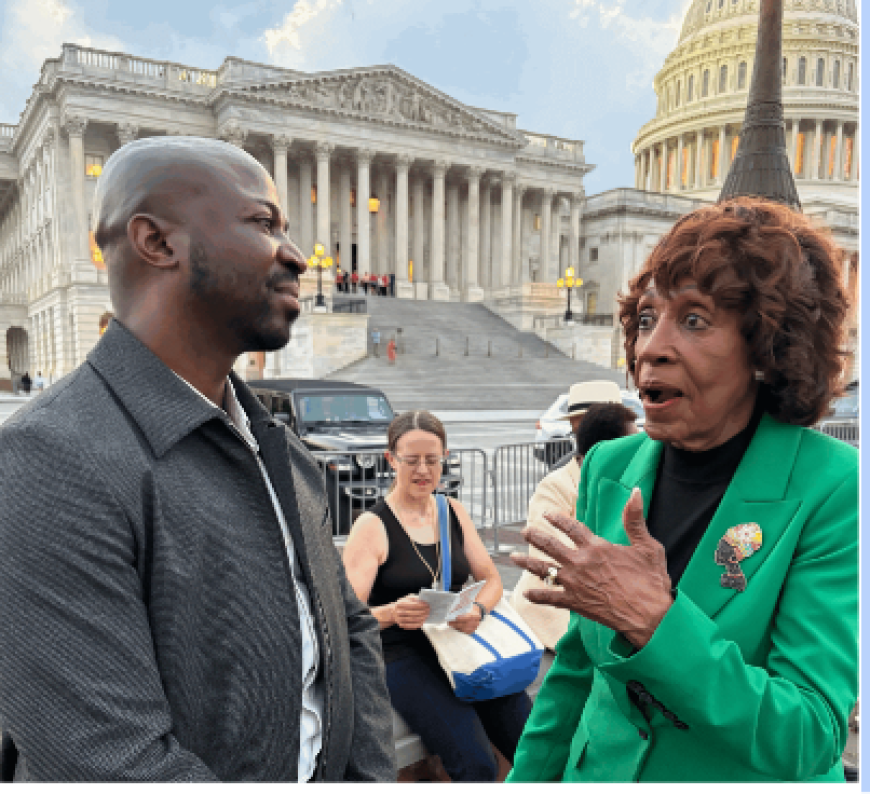
Alabama politics has always been a tough nut to crack for anyone outside the traditional mold. But right now, something real is happening. Dakarai Larriett is running for the U.S. Senate seat in Alabama, and the campaign is turning heads for all the right reasons.
This isn't just another election cycle. This is a moment where history, identity, and genuine leadership collide on the same ballot.
A Candidate Who Breaks the Mold
Larriett stands out the moment you look at the field. As a Black candidate running for the Alabama Senate, he represents a chapter that Alabama politics desperately needs to write. Alabama has one of the largest Black populations of any state in the country, hovering around 27 percent, yet the political representation at the federal Senate level has rarely reflected that reality.
That gap matters. When the people who make laws don't look like, live like, or think like the communities they serve, those communities feel it. They feel it in policy decisions, in budget priorities, and in the types of issues that even get a seat at the table.
Larriett is putting an end to that pattern, one campaign stop at a time.
An Entrepreneur Who Knows How the Real World Works
One thing that separates Larriett from career politicians is his background as an entrepreneur. He didn't come up through the political machinery. He built something from the ground up, which means he knows what it's actually like to meet a payroll, solve problems without a safety net, and make decisions that have real consequences for real people.
That kind of experience is worth its weight in gold in a Senate chamber full of folks who've never run a business or sat across the table from a banker holding the future of their livelihood in a manila folder.
Alabama needs a senator who understands that economic growth isn't just a talking point. It's paychecks, it's businesses staying open, and it's communities that stop bleeding residents because opportunity finally shows up.
Breaking Ground as an LGBT Candidate in Alabama
There's no sugarcoating it. Running as an openly LGBT candidate in Alabama takes guts. This is not the easiest state to carry that flag, and Larriett isn't pretending otherwise.
But that honesty is exactly what makes his campaign compelling. He doesn't sidestep who he is to make other people comfortable. He shows up as himself, fully, and asks Alabama voters to judge him on his ideas, his record, and his vision for the state.
That's a refreshing change from the typical political playbook of being everything to everyone and standing for nothing in particular.
Alabama's LGBT community has long punched above its weight in terms of civic participation while receiving very little in return from elected officials. Having an LGBT candidate for the Alabama Senate who actually fights for those constituents rather than just collecting their votes during election season is a meaningful shift.
And it's worth saying plainly: supporting equal rights and dignity for LGBT Alabamians isn't a fringe position. It's a mainstream American value, and a growing number of Alabama voters across different backgrounds agree.
What He Actually Stands For
Beyond the identity markers, which matter but don't tell the whole story, Larriett's platform is built around issues that affect everyday Alabamians regardless of race, orientation, or zip code.
He's focused on economic opportunity for communities that have been left behind, better healthcare access in a state where rural hospital closures have become a genuine crisis, and accountability in government that goes beyond press releases and campaign promises.
Alabama consistently ranks near the bottom of national health and education indexes. That's not a statistical quirk. It reflects decades of policy choices that prioritized the few over the many. Larriett is calling that out directly and offering a different direction.
He's also a strong voice on criminal justice reform. His own experience with a false arrest gave him a firsthand look at how the system can grind people down when it isn't working the way it should. That kind of real-world experience with injustice has a way of sharpening a person's perspective and steeling their commitment to change.
Why This Moment Matters for Alabama
People sometimes write Alabama off as a state that never changes. That's a lazy read of history. Alabama has always had people willing to stand up and push forward, even when the odds were stacked against them. The civil rights movement wasn't born in a comfortable political climate. It grew out of ordinary people who decided that enough was enough.
That spirit is still alive, and Larriett's campaign is tapping into it.
Running as a Black candidate for the Alabama Senate seat in 2026 means something. Running as an openly LGBT candidate in Alabama means something. Running as an entrepreneur who built a career without a silver spoon means something. Put those things together and you get a candidate who actually reflects the complexity and resilience of the state he wants to represent.
The Stakes in 2026
The 2026 Senate race in Alabama is one that national Democrats and progressive voters across the country are watching closely. Flipping this seat would send a signal far beyond Alabama's borders. It would say that representation is expanding, that voters are hungry for authenticity over performance, and that the old political calculus is shifting.
None of that happens without a candidate worth rallying behind. Larriett is that candidate.
If you believe Alabama deserves better than business as usual, if you think representation should actually represent the people, and if you're ready to back someone who tells you exactly who he is and what he stands for, this is your moment to get involved.
Visit dakarailarriett.com to learn more, volunteer, or contribute to the campaign. Alabama is ready for this. The question is whether enough people will show up to make it happen.