Best Tips for Installing Modern Outdoor Pathway Lights Like a Pro
Best Tips for Installing Modern Outdoor Pathway Lights Like a Pro
 liamjohn
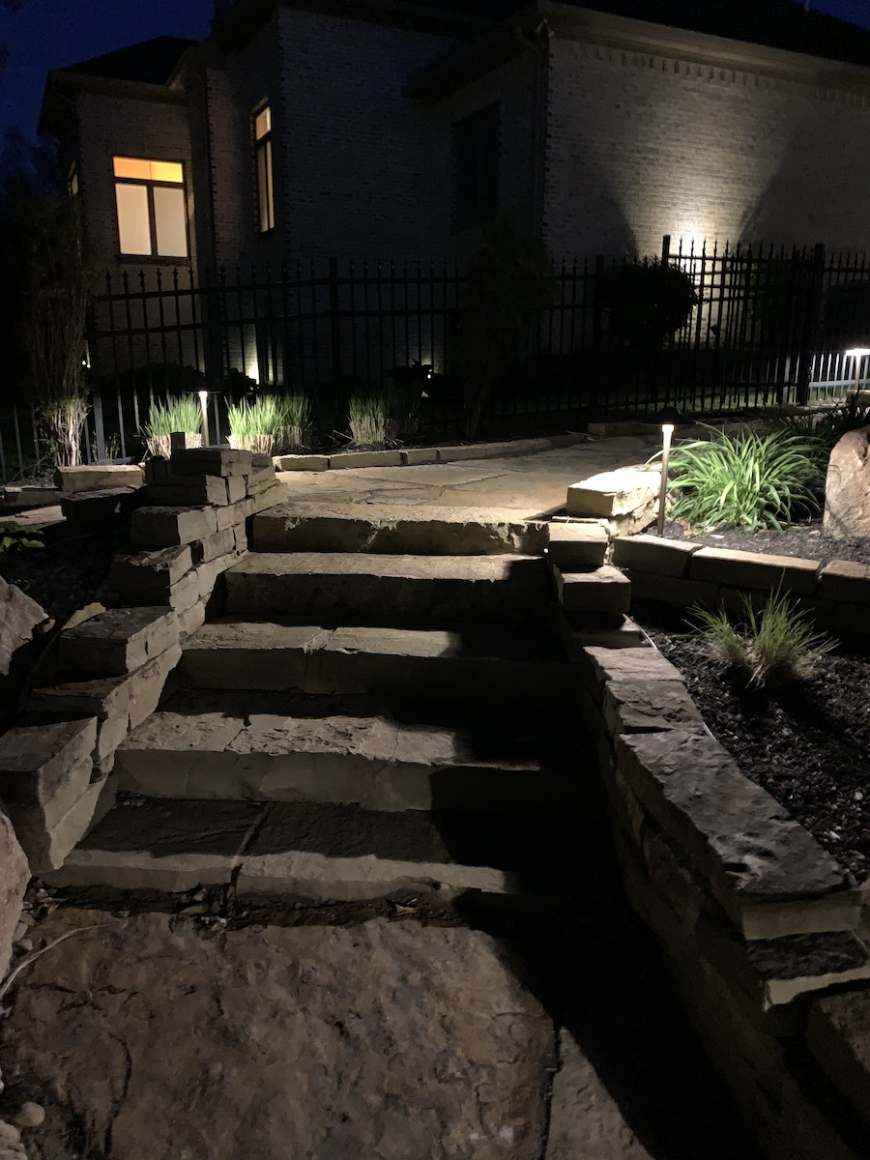
Lighting up your pathways isn’t just about safety—it’s about transforming your outdoor space into something magical. Modern outdoor pathway lights not only guide your way but also enhance the beauty of your garden, driveway, or backyard. With the right lighting, you can create a welcoming ambiance that combines functionality with style. And if you’re thinking about taking it a step further, incorporating custom outdoor lighting can give your landscape a personal, professional touch that makes it truly yours.
Why Choose Modern Outdoor Pathway Lights
Stylish Designs That Elevate Your Landscape
Modern outdoor pathway lights come in sleek, contemporary designs that instantly uplift the look of any outdoor area. From minimalist steel fixtures to warm, glowing lantern-style lights, there’s a design for every taste. Think of them as jewelry for your garden—they’re small but make a huge difference.
Energy Efficiency and Eco-Friendly Options
Most modern lights use LED bulbs, which consume significantly less power and last longer than traditional bulbs. Some are solar-powered, meaning no wiring, lower energy bills, and an eco-friendly choice that Mother Nature would approve of.
Durability and Weather Resistance
Outdoor lights face the elements every day—rain, snow, or scorching sun. Modern pathway lights are designed to withstand these conditions, often featuring rust-resistant metals and waterproof casings.
Planning Your Outdoor Pathway Lighting
Assessing Your Landscape and Pathway Layout
Before installing lights, walk your path at night with a flashlight. This helps identify dark spots and areas that could benefit from lighting. Think about your destination points—entrances, gardens, or water features—to highlight them properly.
Choosing the Right Type of Lights (Solar, LED, etc.)
Solar lights are great for easy installation and eco-friendliness, while LED lights offer consistent brightness and longevity. The choice depends on your budget, design preferences, and maintenance commitment.
Determining Light Spacing and Placement
Spacing is crucial. Too close, and it looks cluttered; too far, and your path will remain dim. A general rule: place lights about 6–10 feet apart, adjusting for curves and corners.
Tools and Materials You’ll Need
Basic Installation Tools
You’ll need a shovel, hammer, screwdriver, measuring tape, and possibly a drill. Simple, everyday tools can go a long way.
Electrical Equipment for Hardwired Options
For wired installations, ensure you have low-voltage transformers, wires, connectors, and a voltage tester. Safety is key, so double-check everything before connecting.
Safety Gear
Gloves, protective eyewear, and even a knee pad can save you from minor injuries. Outdoor installations might seem easy, but accidents happen when you least expect them.
Step-by-Step Installation Guide
Preparing the Ground and Pathway
Clear debris and level the soil. If your pathway is rocky, consider using a trenching tool to create even lines for your wires.
Installing Solar vs. Hardwired Lights
For solar lights, just stake them in the ground and ensure the panels face the sun. Hardwired lights require connecting wires and sometimes digging a trench. Always follow manufacturer instructions carefully.
Connecting the Electrical Components Safely
Turn off the power at the breaker before connecting any wires. Use waterproof connectors and test the circuit before covering it with soil. Safety first—nothing ruins a good evening faster than a spark!
Tips for Enhancing Aesthetic Appeal
Layering Light for Depth and Dimension
Use lights at varying heights or combine them with trees and shrubs to create a multi-dimensional glow. This approach makes your landscape appear larger and more inviting.
Combining Pathway Lights with Garden Features
Highlight fountains, benches, or sculptures with subtle lighting. This creates focal points that catch the eye and add elegance to your garden.
Using Custom Outdoor Lighting to Highlight Focal Points
Custom lighting allows you to tailor brightness, color temperature, and fixture style to match your landscape’s personality. Think of it as painting with light!
Maintenance Tips for Longevity
Regular Cleaning and Inspection
Dust and dirt can dim your lights over time. Clean the fixtures monthly and check for rust or cracks.
Replacing Bulbs and Batteries
Keep spare bulbs or batteries handy. Solar lights lose efficiency over time, and LEDs occasionally burn out.
Weatherproofing Tips
Apply protective coatings to metal fixtures and ensure connections are sealed. This prevents corrosion and prolongs the lifespan of your investment.
Common Mistakes to Avoid
Overcrowding or Misplacing Lights
Too many lights can create glare and disrupt the visual flow. Less is often more—strategic placement is key.
Ignoring Light Direction and Glare
Aim lights downward or use diffusers to prevent blinding yourself or your guests.
Skipping Proper Wiring
Even DIY installations need careful wiring. Avoid shortcuts that can lead to electrical hazards or uneven lighting.
Benefits of Hiring a Professional vs. DIY
Cost Considerations
DIY saves money upfront, but professionals ensure proper installation, potentially saving you future repair costs.
Expertise and Safety
Licensed installers understand safety codes, reducing the risk of accidents or malfunction.
Custom Outdoor Lighting Design Options
Professionals can create a bespoke lighting plan that maximizes beauty and efficiency, giving your home a truly personalized touch.
Eco-Friendly and Smart Lighting Options
Solar-Powered Pathway Lights
Ideal for sustainability, solar lights charge during the day and illuminate automatically at night.
Smart Lighting Systems with App Control
Control brightness, color, and timing right from your smartphone. Perfect for tech-savvy homeowners who love convenience.
Conclusion
Installing modern outdoor pathway lights isn’t just a task—it’s an opportunity to transform your outdoor space. With careful planning, thoughtful placement, and attention to detail, you can create a safe, stylish, and welcoming environment. Whether you go DIY or hire a professional, incorporating custom outdoor lighting can make your landscape uniquely yours. Remember, lighting is not just functional—it’s an art.
FAQs
1. How far apart should modern outdoor pathway lights be?
Generally, 6–10 feet apart, adjusting for curves and corners to avoid dark spots.
2. Can I install pathway lights myself safely?
Yes, with solar lights or low-voltage LEDs. Always follow instructions and use safety gear.
3. What type of bulbs last longest for outdoor lights?
LED bulbs typically last the longest, offering years of consistent brightness.
4. How does custom outdoor lighting improve my garden?
It highlights key features, matches your style, and creates a professional, polished look.
5. Are solar pathway lights worth it?
Absolutely—easy installation, energy savings, and eco-friendly benefits make them ideal for most landscapes.