Best Offset Smokers and Custom Fire Pits: What Actually Matters Before You Buy
There's a reason die-hard barbecue folks keep coming back to offset smokers instead of the fancy pellet gadgets everyone's selling now. It's the smoke. Real, wood-fired smoke that actually touches the meat and does something to it. A pellet smoker is fine, sure, convenient even, but it's not the same animal. The best offset smokers give you that old-school firebox-to-cook-chamber setup where the heat and smoke travel across the meat, low and slow, and you end up with bark and flavor you just can't fake with a digital dial.
 walaeric
So you're in the market for a new smoker, or maybe you've been eyeing a fire pit for the backyard and you keep putting it off. I get it. There's a lot of junk out there, and honestly, a lot of confusing advice too. I've spent way too many weekends messing with cheap smokers that warp after two cookouts, and I've talked to enough pitmasters and welders to know what separates something that lasts from something that ends up rusting in the corner of the yard. Let's just talk through it plainly.

Why Offset Smokers Still Win for Real Barbecue
There's a reason die-hard barbecue folks keep coming back to offset smokers instead of the fancy pellet gadgets everyone's selling now. It's the smoke. Real, wood-fired smoke that actually touches the meat and does something to it. A pellet smoker is fine, sure, convenient even, but it's not the same animal. The best offset smokers give you that old-school firebox-to-cook-chamber setup where the heat and smoke travel across the meat, low and slow, and you end up with bark and flavor you just can't fake with a digital dial.
Now here's the thing nobody tells you upfront: not all offset smokers are built the same, not even close. Steel thickness matters a ton. Thin gauge steel heats up fast but it also loses heat just as fast, which means you're fighting temperature swings all day instead of enjoying your cook. Thicker steel, like quarter-inch or better, holds heat steady, and that steadiness is basically the whole game in offset smoking. You want consistency, not a rollercoaster.
Welds matter too. Cheap smokers often have sloppy seams that leak smoke everywhere except where you want it, in through gaps around the firebox door, out through the stack in weird spots. A well-built offset should feel airtight-ish, with the smoke controlled and directed, not just wandering off wherever it pleases.
What to Actually Look For (Not Just Marketing Fluff)
I'm not gonna give you some generic checklist you've read a hundred times. Here's what really moves the needle:
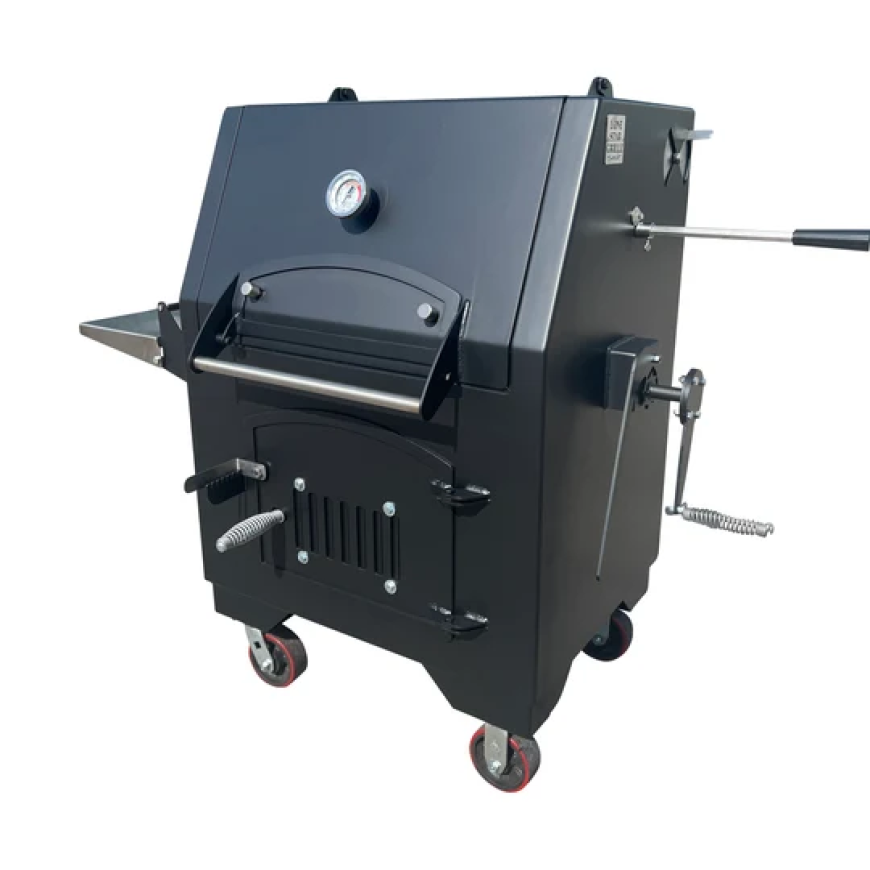
Steel gauge and construction quality come first, full stop. If a smoker feels light when you tap on it, walk away. A good offset should feel solid, almost heavy in a reassuring way. Second, look at the firebox design. Reverse flow versus traditional offset changes how heat distributes across your cook chamber, and honestly reverse flow tends to even things out better for beginners who are still learning to read their fire.
Then there's the little stuff that ends up mattering way more than people expect. Good handles that don't get blistering hot. A stack placement that actually pulls smoke through the chamber instead of letting it just sit there and stall. Wheels sturdy enough to move a few hundred pounds of steel without snapping off after a month. These aren't luxury features, they're the difference between loving your smoker and cursing at it every weekend.
If you're custom-ordering one, and honestly I'd recommend it if you can, talk through cook chamber size based on how you actually cook. Do you smoke for your family of four on Sundays, or are you the guy who ends up feeding the whole block during football season? Get a size that matches your real life, not some Instagram fantasy of what your backyard setup should look like.
Custom Fire Pits: More Than Just a Hole With Fire in It
Okay switching gears a bit, because fire pits are their own thing and people underestimate how much thought goes into a good one. A custom fire pit isn't just a metal bowl you toss logs into. Well, it can be, but the good ones are designed with airflow, drainage, and honestly the shape of your gathering space in mind.
Steel fire pits, especially the thicker gauge ones, hold up way better against warping from heat cycling than the thin stamped stuff you find at big box stores. You light those cheap ones a handful of times and they start bowing out or rusting through at the bottom. A custom-built fire pit made from proper plate steel is going to outlast basically everything else in your backyard, patio furniture included probably.
Design matters more than people think too. Round pits give you that classic campfire circle-up vibe, good for conversation, everyone facing in. Square or rectangular ones tend to fit better against a patio edge or built-in seating wall if that's the layout you're working with. Some folks want a raised design so you're not bending over to tend the fire, others want it low and sunken for that cozier feel. There's no wrong answer here, it just depends on how you actually use your space.
Ventilation is the unsung hero of fire pit design. Without proper airflow holes or a raised grate inside, your fire struggles to breathe and you end up with smoky, inconsistent burns instead of a clean flame. A well-built custom fire pit will have that airflow figured out already so you're not fighting it every time you want a fire going.
Custom Work Beats Off-the-Shelf, Almost Every Time
Here's my honest take, and maybe this is just me being stubborn about it, but off-the-shelf smokers and fire pits are made for the average person, the average yard, the average cook. You're probably not average, or at least you don't want your backyard setup to be. Custom fabrication means the steel thickness, the size, the design details, all of it gets built around what you actually need instead of what sells cheap at a warehouse store.
It costs more upfront usually, yeah, no denying that. But a properly built offset smoker or fire pit from a real fabricator is going to last decades if you take care of it. Season your smoker, keep coats of high-heat paint touched up, cover your fire pit when it's not in use, and this stuff becomes almost heirloom quality. I know a guy who inherited his dad's offset smoker and it still cooks better than anything you'd find new at a store today. That's the kind of investment we're talking about here.
Bringing It All Together
Look, whether you're chasing the best offset smokers for weekend brisket sessions or you want a custom fire pits that turns your patio into the place everyone wants to hang out, the underlying advice is the same. Don't cheap out on steel. Don't ignore the small design details that make daily use either a joy or a headache. And work with people who actually know how to fabricate this stuff properly instead of mass-producing it.
If you're ready to stop settling for the flimsy stuff at the big retailers and actually get something built right, that's exactly what a custom shop specializes in. Check out what's possible for your setup at Lone Star Grillz and get something that's gonna outlast your backyard's next three renovations.

FAQs
1. What's the difference between an offset smoker and a regular smoker? An offset smoker has a separate firebox attached to the side of the cook chamber, so heat and smoke travel across the meat instead of surrounding it directly. This gives you more control over smoke flavor and that classic low-and-slow bark, but it also takes more skill to manage the fire compared to a vertical or electric smoker.
2. How thick should the steel be on a good offset smoker? Most experienced cooks recommend at least quarter-inch steel for the cook chamber, thicker if you can swing it. Thicker steel holds heat more evenly and resists warping over years of use, which matters a lot more than people realize until they're fighting temperature swings on a cold morning cook.
3. Can a custom fire pit be built to match my existing patio design? Yeah, that's basically the whole point of going custom. Shape, size, steel finish, even seating integration can all be built around your existing space instead of you rearranging your patio to fit some generic pit you found online.
4. How do I maintain an offset smoker or steel fire pit so it lasts? Keep it covered when not in use, touch up high-heat paint if it starts chipping, and clean out ash and grease buildup regularly. For smokers specifically, seasoning the metal early on and staying on top of rust spots before they spread will add years to its life.