

Best Fertility Centre in Kozhikode: Modern IVF Care
Learn how to choose the best fertility centre in Kozhikode, with information on IVF treatment, fertility evaluation, modern care, and personalised support.
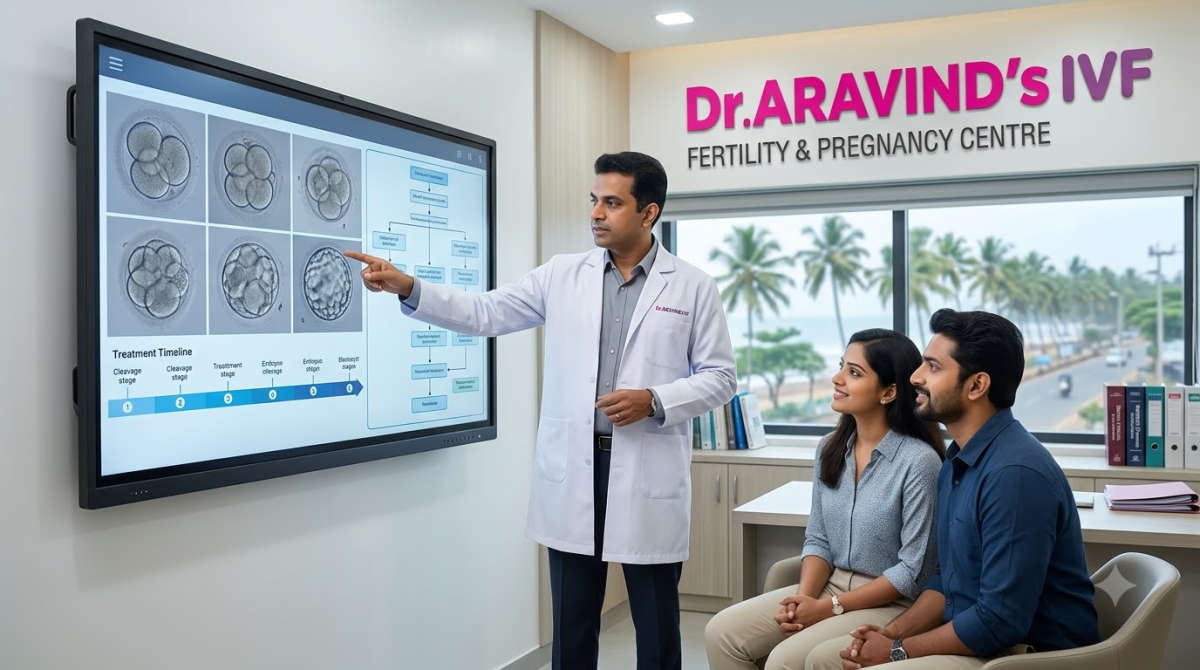
For couples exploring fertility treatment, understanding how modern IVF works can make the process less confusing. In vitro fertilisation involves several carefully planned stages, including fertility assessment, ovarian stimulation, egg retrieval, fertilisation, embryo development and embryo transfer.
When comparing the Best Fertility Centre in Kozhikode, it is useful to look beyond the name of a treatment and understand how each stage is managed. Fertility care is not identical for every couple, so treatment planning generally depends on age, medical history, reproductive health and previous treatment outcomes.
What Does Modern IVF Care Involve?
IVF is a sequence of medical and laboratory procedures rather than a single procedure. Before starting a cycle, a fertility team may review:
-
Age and reproductive history
-
Ovulation and menstrual patterns
-
Ovarian reserve
-
Uterine health
-
Sperm count and movement
-
Previous fertility treatments
-
Relevant medical conditions
This assessment helps determine whether IVF is appropriate and whether another fertility treatment may be suitable first.
Monitoring During Ovarian Stimulation
During an IVF cycle, medication may be prescribed to encourage the development of multiple ovarian follicles. The response to medication differs from person to person.
Ultrasound scans are commonly used to monitor follicular growth. Blood tests may also be performed when clinically appropriate. Based on these findings, the medical team can adjust treatment or determine when egg retrieval should be planned.
The aim is not simply to obtain as many eggs as possible. Safe ovarian stimulation and appropriate monitoring are important parts of responsible IVF care.
Egg Retrieval and Fertilisation
Once the follicles have developed adequately, egg retrieval is performed using a planned medical procedure. The retrieved eggs are then assessed in the embryology laboratory.
Fertilisation can be carried out using conventional IVF or, in selected circumstances, intracytoplasmic sperm injection (ICSI). During ICSI, an individual sperm is injected directly into an egg.
ICSI may be considered when there are significant male-factor concerns, previous fertilisation difficulties or other clinical reasons. IVF does not require this procedure for everyone.
Why Embryology Matters
The laboratory plays an important role after egg retrieval. Fertilised eggs are monitored as they develop, and embryologists assess their progress under controlled laboratory conditions.
Not every fertilised egg will continue developing normally. Some embryos may be suitable for transfer, while others may be considered for freezing depending on their development and the treatment plan.
This stage highlights why IVF outcomes cannot be judged simply by the number of eggs retrieved. Several biological steps occur between egg collection and embryo transfer.
Choosing a Fertility Centre
When researching an IVF Hospital in Kerala, couples may want to consider both clinical and laboratory services.
Useful factors include:
-
Experience of the fertility and embryology teams
-
Laboratory quality-control procedures
-
Embryo culture facilities
-
Cryopreservation methods
-
Sample identification and handling systems
-
Availability of appropriate fertility investigations
-
Clear explanation of treatment procedures
-
Transparent communication about possible risks and outcomes
Modern equipment can support fertility treatment, but technology by itself does not guarantee a successful pregnancy. Clinical judgement, laboratory practices and appropriate patient selection all contribute to the overall treatment process.
What Happens Before Embryo Transfer?
Embryo transfer is planned according to several factors. The medical team may assess the uterine environment, endometrial lining and hormonal conditions before deciding on the timing.
In some cases, an embryo may be transferred during the same treatment cycle. In other situations, embryos may be frozen and transferred during a later cycle.
The choice depends on the patient's medical circumstances and the strategy considered most appropriate by the treating team.
Why IVF Plans Differ From Person to Person
There is no single IVF protocol that works in exactly the same way for everyone. A younger patient with good ovarian reserve may have different treatment considerations from someone with reduced ovarian reserve.
Similarly, male-factor infertility, endometriosis, previous unsuccessful IVF cycles or uterine conditions can influence treatment planning.
For this reason, comparing fertility centres only by advertised numbers may not provide a complete picture. Couples should also understand how the centre evaluates individual fertility factors and explains treatment decisions.
Understanding IVF Success Rates
Success rates can be useful when comparing fertility services, but they need to be interpreted carefully. Results may vary according to age, diagnosis, egg and sperm quality, embryo development and the type of treatment used.
A clinic's overall reported rate does not necessarily represent the probability for an individual patient. Asking how success rates are calculated and which patient groups they include can provide more meaningful information.
Common Questions Before Starting IVF
Couples may want to discuss several practical points during an initial consultation:
-
Why is IVF being recommended?
-
Are there alternatives worth considering?
-
What investigations are required?
-
How will ovarian stimulation be monitored?
-
Which fertilisation method may be appropriate?
-
How are embryos assessed?
-
What are the possible risks?
-
What happens if the cycle does not produce suitable embryos?
Clear answers can help couples understand the treatment instead of relying on assumptions or online claims.
Conclusion
Modern IVF combines medical assessment, ovarian monitoring, reproductive procedures and specialised laboratory care. Choosing a fertility centre should therefore involve understanding the complete treatment pathway rather than focusing on a single service or advertised result.
For couples considering IVF in Kozhikode, scheduling a consultation with a qualified fertility professional can help explain the available options based on individual reproductive factors. Taking time to understand the process, possible outcomes and treatment alternatives can support a more informed fertility decision.







Comments (0)