Best Electric Wheelchair for Home and Travel: A Practical Selection Guide
Explore how to choose the Best Electric Wheelchair for home and travel. Compare comfort, battery range, portability, safety, size, and key features.
 mobilitywheelchairs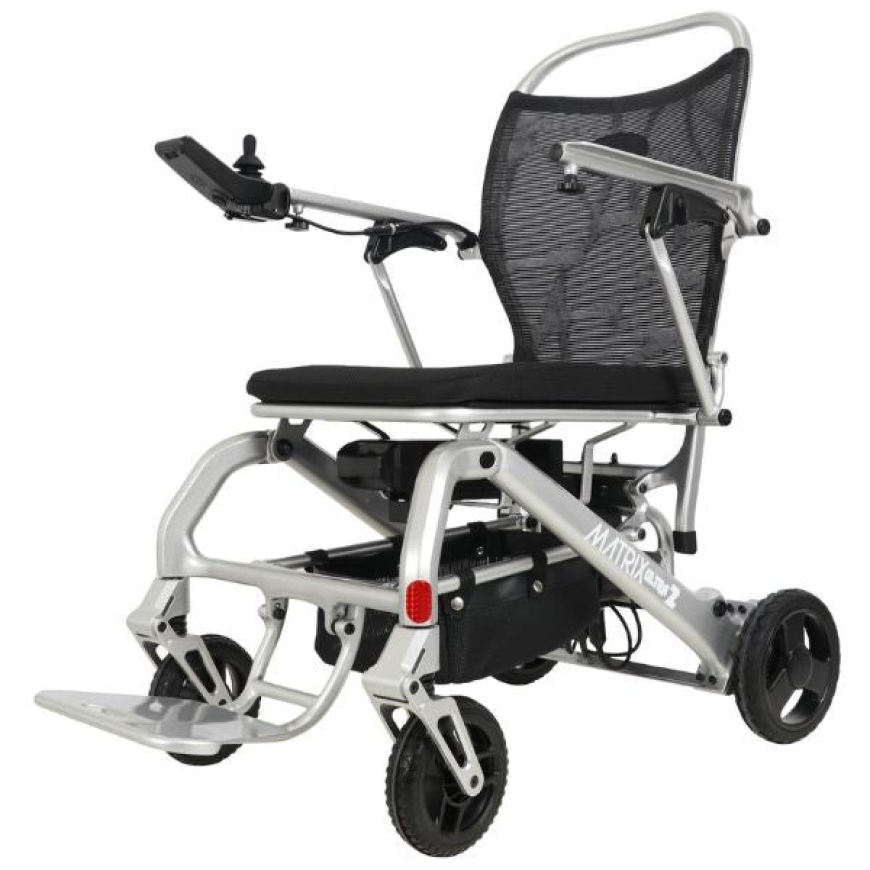
Choosing an electric wheelchair is an important decision for people who want greater independence, comfort, and reliable mobility at home and while traveling. Unlike a standard manual wheelchair, an electric model uses a motor and battery system to help the user move with less physical effort. However, not every model is designed for the same environment. A chair that works well inside a home may not be ideal for long outdoor trips, while a travel-friendly model may prioritize portability over heavy-duty performance.
For anyone searching for the Best Electric Wheelchair, the most useful approach is to compare practical features such as size, weight, battery range, maneuverability, comfort, safety, and transportation requirements. This guide explains the key factors U.S. buyers should consider before making a decision.
Why Choose an Electric Wheelchair for Home and Travel?
Electric wheelchairs can make everyday movement easier for people who have difficulty manually propelling a wheelchair over longer distances. They can be useful around the house, during shopping trips, at appointments, and while visiting accessible public spaces.
The Americans with Disabilities Act recognizes power wheelchairs as mobility devices, and covered public facilities generally must permit wheelchair use in areas where the public is allowed.
For home use, maneuverability is especially important. Narrow hallways, bedrooms, kitchens, doorways, and other confined areas require a wheelchair with a suitable turning radius and overall width. For travel, portability, battery specifications, durability, and transportation compatibility become more important.
Key Features to Look for in the Best Electric Wheelchair
There is no single wheelchair that is perfect for every person. The right choice depends on individual mobility requirements and where the chair will be used. Consider these features before purchasing:
-
Overall weight: A lighter model can be easier to transport and handle.
-
Foldability: Folding designs may simplify storage in a vehicle or home.
-
Battery range: Consider how far you typically need to travel between charges.
-
Turning radius: A tighter turning radius can make indoor navigation easier.
-
Seat dimensions: The seat should provide appropriate width and depth for comfortable positioning.
-
Weight capacity: Always check the manufacturer's stated maximum user weight.
-
Control system: Joystick controls should be easy and comfortable for the intended user.
-
Tire design: Consider whether the wheelchair is primarily intended for indoor surfaces, outdoor pavement, or mixed environments.
-
Safety features: Braking, stable construction, appropriate footrests, and dependable controls are important considerations.
-
Serviceability: Look for replacement parts, maintenance support, and clear product documentation.
1. Consider the Wheelchair's Size for Home Use
One of the first measurements to check is the wheelchair's overall width. A large power wheelchair may offer additional support and features but can be difficult to maneuver through narrow residential spaces.
Measure important areas of your home before buying, including:
-
Main entrances and interior doorways
-
Hallways
-
Bathroom entrances
-
Kitchen pathways
-
Elevator doors, if applicable
-
Storage areas
A compact electric wheelchair may be preferable for homes with limited space. However, compact should not automatically mean uncomfortable. Seat width, legroom, back support, and cushioning should still match the user's requirements.
2. Evaluate Battery Range and Charging Needs
Battery performance is one of the most important considerations for an electric wheelchair. Instead of focusing only on a maximum advertised range, think about your typical daily routine.
For example, someone who primarily uses a wheelchair inside the home may have very different requirements from someone who regularly visits shopping centers, medical appointments, parks, or community events.
Before purchasing, check:
-
Claimed driving range
-
Charging time
-
Battery type
-
Battery replacement availability
-
Charging requirements
-
Manufacturer recommendations for battery care
It is also sensible to maintain a charging routine rather than waiting until the battery is almost empty.
3. Prioritize Comfort for Extended Use
Comfort becomes increasingly important when an electric wheelchair is used for several hours at a time. A well-designed seat can help make everyday use more pleasant.
Pay attention to:
-
Seat width and depth
-
Cushioning
-
Backrest support
-
Armrest design
-
Footrest positioning
-
Seat height
-
Adjustable components
Users should consider their own body measurements and daily activities rather than choosing a chair solely because it has the most features.
4. Think About Travel and Transportation
A wheelchair intended for travel should be evaluated differently from one used almost exclusively at home. Weight and folding capability can have a major effect on transportation.
If you plan to travel by car, determine whether the folded or disassembled wheelchair can fit safely in the available cargo area. Also consider how easily the chair can be lifted or loaded.
Air travel requires additional preparation. The U.S. Department of Transportation states that airlines must accept battery-powered wheelchairs, subject to applicable safety and hazardous-material requirements, and powered wheelchairs are generally handled in the aircraft's cargo compartment rather than the passenger cabin.
Travelers should provide the airline with information about the wheelchair's size, weight, battery type, and disassembly requirements. DOT also recommends providing written instructions and arriving early when traveling with a battery-powered wheelchair.
5. Compare Portability and Durability
Portability and durability can sometimes compete with each other. A lightweight folding wheelchair may be easier to transport, while a heavier frame may provide features intended for demanding everyday use.
Ask yourself where the wheelchair will be used most often.
For mostly indoor use:
-
Compact dimensions may be valuable.
-
Easy steering can be important.
-
A small turning radius may be beneficial.
For mixed indoor and outdoor use:
-
Look for suitable tires and ground clearance.
-
Consider battery range carefully.
-
Check the manufacturer's recommendations for outdoor surfaces.
For frequent travel:
-
Prioritize manageable weight.
-
Consider a folding or easily disassembled design.
-
Confirm transportation and battery requirements before booking flights.
6. Don't Overlook Safety
Safety should be part of the selection process rather than an afterthought. Users should understand how the wheelchair starts, stops, turns, and handles different surfaces before relying on it for regular travel.
Important considerations include stable construction, responsive controls, effective braking, appropriate footrests, and a seat that supports proper positioning.
It is also important to follow the manufacturer's instructions regarding slopes, maximum weight, charging, battery handling, and environmental conditions.
A Simple Comparison Checklist
Before choosing an electric wheelchair, compare your options using practical questions:
-
Where will the wheelchair be used most often?
-
Will it need to pass through narrow doorways?
-
How many hours per day will it typically be used?
-
What distance is normally traveled in a day?
-
Does the user need a folding or portable design?
-
Can the wheelchair fit safely inside the intended vehicle?
-
Is the seat comfortable and appropriately sized?
-
Does the weight capacity meet the user's needs?
-
Is the control system suitable for the intended user?
-
Are replacement parts and support available?
Answering these questions can help narrow down choices without relying solely on price or appearance.
Preparing an Electric Wheelchair for Air Travel
Planning ahead can make air travel easier. DOT recommends contacting the airline in advance about accessibility needs and assistive-device handling. In certain circumstances, airlines can require up to 48 hours' advance notice, including transportation of a powered wheelchair on aircraft with fewer than 60 seats.
Before flying, consider preparing:
-
Wheelchair dimensions and weight
-
Battery specifications
-
Disassembly instructions
-
Assembly instructions
-
A photograph showing the wheelchair's condition
-
Contact information for the manufacturer or supplier
-
Any necessary accessories or removable components
After the flight, inspect the wheelchair before using it. If damage is found, report it to the airline promptly. DOT states that U.S. carriers have specific obligations concerning damage or loss of wheelchairs and other assistive devices.
Why Individual Needs Matter More Than a Single "Best" Model
The phrase Best Electric Wheelchair can be useful when researching products, but the best option depends on the individual user. A senior who needs a compact chair for indoor movement may prioritize maneuverability and comfort. Someone who travels frequently may put greater emphasis on portability and transportation requirements. Another user may need higher weight capacity, longer range, or additional positioning features.
Instead of selecting a wheelchair based only on popularity, compare its specifications with your actual routine. This approach can reduce the risk of choosing a model that looks impressive but does not suit your home, vehicle, or travel needs.
Choose With Confidence
Finding the right electric wheelchair involves balancing comfort, safety, portability, performance, and everyday practicality. Take accurate measurements, consider your typical travel distance, review battery information, and determine how the chair will be transported before making a purchase. For air travel, always verify the latest requirements directly with your airline because battery and aircraft restrictions can vary.
For U.S. buyers exploring mobility options, Mobility Wheelchairs can be a helpful starting point for comparing wheelchair solutions based on everyday mobility needs. If you are ready to explore suitable options, contact Mobility Wheelchairs and discuss your requirements before choosing a model that fits your home and travel routine.
Contact Information:
-
Business: Mobility Wheelchairs
-
Address: 3 Rockaway St., New Rochelle, NY 10801
-
Email: [email protected]